
The Reselling Side Hustle: How Much Money Is Really in Other People's Junk
by Joem Castones •October 15, 2026

Social media reselling content tends to show the best sale of the month, never the unsold bins sitting in a garage or the gas money spent driving to a thrift store that turned out to be closed. The version of the hustle that pays off looks a lot less exciting and a lot more like running a small logistics operation with a spreadsheet attached.
What follows breaks down where inventory actually comes from and how to tell what's worth keeping. The final section covers how to sell it without losing the margin to fees, shipping mistakes, or an unexpected tax form in the spring.
Finding Inventory Worth Picking Up
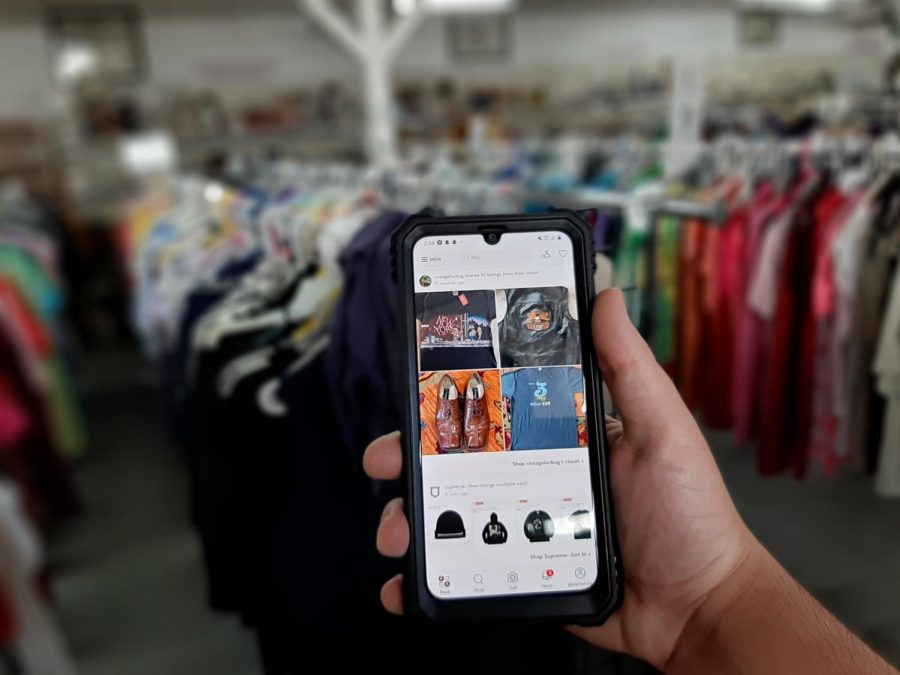
Thrift stores restock on specific days, and most locations will tell staff exactly which day new donations hit the floor if asked directly. Showing up on restock morning beats showing up whenever, since the good stuff gets picked over within hours by shoppers who already know the schedule.
Retail clearance follows predictable cycles too. Big box stores mark items down in stages, often visible through the color of the clearance tag, with the deepest discounts landing on a specific day of the week depending on the chain. Buying at 30% off and hoping to flip it rarely clears enough margin once selling fees and shipping get subtracted. The 70% or 75% markdown is usually where the real profit lies.
A few tools make sourcing faster instead of guessier:
- The eBay app's barcode scanner pulls sold listing comps on the spot, moving pricing research into the store aisle instead of after checkout
- BookScouter compares buyback offers across multiple book vendors at once, useful for scanning shelves at library sales where individual titles are unpredictable
- Facebook Marketplace's free section turns up furniture and electronics people just want gone, often in working condition, since clearing space out fast matters more to the giver than getting paid
Sticking around for the final markdown at an estate sale usually pays off more than showing up on day one, since most shoppers have already left by then. Garage sales work on a similar principle in reverse. Early arrival gets first pick at full price, while showing up in the last hour usually means sellers would rather haggle than repack everything into the garage.
Neighborhood apps and buy-nothing groups round out the sourcing list. Curb alert posts and local giveaway groups move fast, but the people posting them are usually just trying to avoid a dump run, not trying to maximize what they get for the item, which is exactly the kind of motivation that produces underpriced or free inventory.
Not Everything Deserves a Spot in the Inventory
The instinct to buy anything that looks cheap is the fastest way to turn a spare room into storage for things that will never sell. A five-dollar item that sits unsold for eight months ends up costing more in shelf space than it ever earns back.
Fee math should happen before the purchase, not after. eBay takes roughly 13% off the final sale price. Poshmark takes a flat 20% on anything over fifteen dollars. Mercari runs at 10%. None of that includes shipping cost, packaging materials, or the time spent photographing and listing the item in the first place. A ten-dollar shirt that sells for eighteen dollars sounds fine until the fees, the poly mailer, and twenty minutes of listing time get subtracted from that eight-dollar spread.
Certain categories hold value more reliably than others. Name-brand shoes in wearable condition, small kitchen appliances from known brands, specific power tools, and electronics accessories tend to move fast and predictably. Fast fashion and mass-produced home decor tend to sit unsold, since the market floods with identical listings within weeks of any trend showing up on social media.
The filter worth applying at the point of purchase is simple. Check sold comps on the spot and subtract fees and shipping from that number. Anything where the remaining margin doesn't justify the shelf space gets left on the shelf.
Higher-value categories carry a different risk. Designer handbags, luxury watches, and sneakers with active resale markets attract counterfeits, and a serial number or date code check before buying beats finding out the hard way after a buyer disputes the sale. Cross-listing the same item across several platforms at once speeds up sales, but it also creates the risk of selling one item twice if inventory isn't tracked somewhere central. Spreadsheet tracking works fine at small volume, while tools like Sellraze start earning their subscription cost once the number of active listings climbs into the hundreds.
Selling the Stuff

Listings live or die on photos and pricing, not clever writing. Natural light and a clean background go further than a well-written paragraph, especially paired with photos from every angle that show wear or damage. Pricing should track completed sold listings for the same item in similar condition, not active listings, since asking prices reflect hope more than reality.
Platform choice depends heavily on category. Poshmark leans toward clothing and rewards social features like sharing listings and bundling offers. Depop skews toward a younger audience with a taste for vintage and streetwear, often at prices general marketplaces wouldn't support. OfferUp and local Facebook groups work best for anything heavy or fragile, since local pickup removes shipping risk entirely from the equation.
Shipping efficiently protects margin that photography and pricing already worked to earn. A kitchen scale prevents overpaying on postage guesses. Printing labels at home through the platform's own shipping tool costs less than a retail postal counter almost every time. Poly mailers work fine for soft goods, while anything fragile or electronic needs a proper box with real padding, since a damaged item in transit turns a sale into a refund plus a bad review.
The tax side catches a lot of casual resellers off guard. Platforms are required to issue a 1099-K once sales cross a fairly low federal threshold, which means income that used to fly under the radar now shows up on a form the IRS also receives a copy of. Keeping receipts for inventory costs and packaging supplies, along with a mileage log for sourcing trips, offsets a good portion of the income that ends up on that form. Treating the hustle like an actual small business, with basic recordkeeping from day one, saves a scramble every spring.
Realistic expectations matter more than the highlight reels suggest. Most casual resellers land somewhere between a couple hundred and a thousand extra dollars a month, depending on time invested and how disciplined the sourcing and pricing stay. The resellers pulling six figures usually run it like a warehouse operation with employees, not a weekend hobby squeezed between a day job and everything else. Both are legitimate versions of the same hustle, they just require very different levels of commitment.
The resellers who make real money long term tend to run fee math before buying and track mileage without being asked, treating a slow Tuesday at the thrift store about the same as a good one. The spreadsheet ends up mattering more than any single sold screenshot.
Not sure you're getting the best deals? SellRaze keeps your inventory in sync and helps you track competitive pricing, so you never miss out on a sale. Start optimizing your listings today!