7 Apps Like Poshmark for Reselling in 2026
by Joem Castones •February 25, 2026

Poshmark is comfortable. That’s the word for it.
Since its 2011 launch, Poshmark has become a household name for social commerce, attracting over 130 million registered users who crave a simplified but community-driven shopping experience.
However, Poshmark isn't a one-size-fits-all solution. Its hefty 20% commission on larger sales and the constant requirement for manual "sharing" to maintain visibility can be a grueling time-sink for high-volume sellers. While it excels at mid-range fashion, it often lacks the niche focus required for rare streetwear or the raw efficiency needed for non-clothing categories. There are plenty of platforms that do these items better, and exploring these alternatives is the key to unlocking a more profitable, streamlined resale business.
Here are 7 apps like Poshmark in 2026, depending on what you sell and how much effort you’re willing to put in.
Depop — the Outfit is the Listing
Best for: Anyone whose items benefit from styling rather than bulk listing.
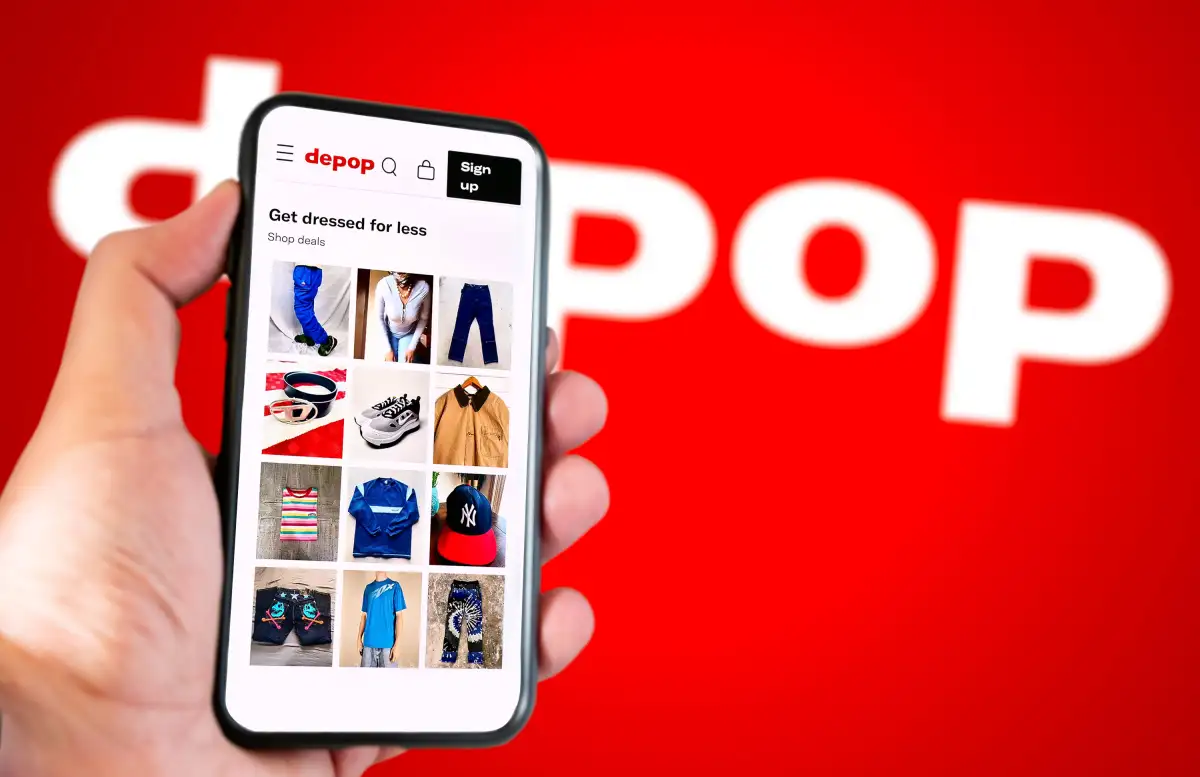
Depop launched in 2011 and grew into one of the biggest fashion resale apps for younger buyers. The experience leans heavily into aesthetics. Two sellers can list the same item and get completely different results depending on styling, lighting, and how well the photos capture a refined, curated vibe.
Where Poshmark organizes, Depop presents. It’s much akin to visual discovery than structured shopping.
Fee structure:
- Seller commission: 10%
- Payment processing: 3.3% + $0.45
- Shipping: Seller chooses own shipping or platform labels
Who it’s best for: Vintage sellers, streetwear, handmade, niche fashion.
Pros:
- Strong Gen Z buyer base willing to experiment
- Visual discovery works in your favor if your photos are good
- Higher price tolerance for unique pieces
Cons:
- Slower for basics and the boring
- More effort required for presentation and photography
- Buyer communication can be unpredictable
Here, buyers browse and not just search. And compared to most Poshmark alternatives, Depop asks more effort upfront but can reward differentiation instead of volume. It’s great until your inventory is mostly black jeans and mall brands.
Mercari — the Transaction Machine
Best for: Sellers who want simplicity and broader categories (and fewer decisions).

Mercari started in Japan in 2013 and has since expanded global resale powerhouse, building a massive user base that shops across clothing, electronics, and home goods.
Unlike fashion-centric platforms like Poshmark, Mercari operates like a digital flea market where users can quickly list almost anything without the pressure of constant social engagement. This has anchored a practical, “see it, buy it” seller culture focused on speed and efficiency, making it a preferred choice for casuals looking for a straightforward way to declutter and give items a second life.
Fee structure:
- Seller commission: 10%
- Payment processing: None
- Shipping: Prepaid labels or self-shipping
Who it’s best for: Mixed inventory, declutterers, casual resellers who hate overproduced listings.
Pros:
- Extremely simple listing process
- Works across categories beyond fashion
- Buyers purchase without much interaction
Cons:
- Lower average sale price than similar platforms
- Less brand discovery
- Less discovery for niche fashion
Buyers search very specifically. Everyday brands move reliably, but high-fashion moves slower than Poshmark.
Vinted — the Margin Protector
Best for: Everyday items and keeping more of what you earn.
Founded in 2008 in Lithuania, Vinted’s biggest appeal is financial math. It distinguishes itself from its competitors with a zero-seller-fee model, shifting costs to the buyer and prioritizing high-volume, budget-friendly listings over boutique aesthetics.
The platform became one of the most appealing alternatives because what you earn is yours to keep. Lower seller fees change how you price, how quickly you accept offers, and how comfortable you are listing lower-value items.
Fee structure:
- Seller commission: None
- Payment processing: Built into buyer fees
- Shipping: Prepaid shipping labels
Who it’s best for: Volume sellers, everyday items, anyone tired of watching fees eat margins.
Pros:
- Higher take-home per sale
- Good turnover for basics
- Simple listing interface
Cons:
- Lower ceiling for premium items
- Audience depends heavily on region
- Less built-in discovery compared to Poshmark
If Postmark is as paying rent on your listings, Vinted is pure turnover. Now, buyers behave like bargain hunters rather than collectors. Speed matters more than presentation.
eBay — the Search Engine with a Checkout
Best for: Maximum reach.

eBay’s advantage isn’t style or simplicity. It’s scale. Launched in 1995, eBay has grown from a niche hobbyist site called AuctionWeb into a global e-commerce titan with over 135 million active users. Its identity is rooted in a massive, everything store variety that spans from rare collectibles to industrial machinery, favoring a more data-driven and SEO-focused selling style compared to its peers.
While sites like Poshmark offer simplified, social-first experiences for casual closet-clearing, eBay remains the powerhouse for professional resellers, providing deeper analytical tools, a global reach across 190 markets, and a flexible auction or fixed price model.
Fee structure:
- Seller commission: 2.5–15.3% depending on category, plus a per order fee ($0.30 for orders $10.00 or less and $0.40 for orders over $10.00)
- Payment processing: Included in final value fee
- Shipping: Seller controlled
Who it’s best for: Experienced resellers, varied inventory, anything that needs search visibility.
Pros:
- Massive global audience
- Works for nearly every category
- Reliable for long-tail inventory
Cons:
- Competition is intense
- Listing details take more effort
- Returns policies can be stressful
Compared to Poshmark, eBay is more algorithmic. You’re feeding a marketplace engine where people compare multiple listings side by side. Mistakes cost not just time, but money.
Grailed — the Buyer Already Knows
Best for: Men’s fashion and higher-end streetwear.

Grailed focuses on menswear, designer, and brand-driven fashion. It has grown from a niche forum for high-end fashion into a premier global marketplace since its founding in 2013. The platform is rooted in a deep appreciation for grails—rare archival pieces and hype streetwear—fostering a community knowledgeable on things like sizing quirks and resale value.
Unlike the broad, family-oriented inventory of Poshmark, Grailed focuses on an editorial, connoisseur-level experience that prioritizes item authenticity and serves as a digital destination for serious collectors of designer menswear and recently integrated womenswear.
Fee structure:
- Seller commission: 9%
- Payment processing: 3.49% + $0.49
- Shipping: Seller arranged
Who it’s best for: Designer menswear, sneakers, archival fashion, streetwear collectors.
Pros:
- Educated buyer base
- Higher average sale prices for the right items
- Strong niche community
Cons:
- Narrow audience compared to general marketplaces
- Slow for non-fashion inventory
- Requires some brand literacy
Recognizable brands outperform generic items. Compared to Poshmark, Grailed trades volume for precision. Fewer buyers, but better alignment.
Facebook Marketplace — the Chaos that Moves Inventory
Best for: Local sales and speed over perfection.

Facebook Marketplace is chaotic in a very productive way. Born in 2016 as a social extension of the world's largest network, Facebook Marketplace leverages Meta’s massive infrastructure to connect over 1.2 billion monthly users through local discovery. Its community favors pick-up and cash convenience over the shipping-heavy models of specialized apps.
While apps like Poshmark focus on global reach and professional storefronts, Facebook Marketplace is unique with its zero-fee local listings, utilizing real identities to build trust and simplifying the selling process for everything from vintage furniture to everyday household goods.
Fee structure:
- Seller commission: None for local pickups, 10% shipped ($0.80 minimum)
- Payment processing: Included when shipping
- Shipping: Local meetups or platform checkout
Who it’s best for: Bulky items, quick flips, sellers who want fast cash without shipping.
Pros:
- Massive built-in audience
- Minimal listing barrier
- Great for moving inventory quickly
Cons:
- Buyer reliability varies
- Less structured protection
- Communication can be inconsistent
Poshmark is polished and structured. Marketplace is immediate and improvisational. Both have a place.
SellRaze — the Problem Solver
Best for: When one platform turns into several.
As your inventory grows, you’ll eventually find yourself expanding across multiple platforms to tap into diverse buyer pools and maximize your reach. SellRaze is an AI-powered selling assistant to simplify the multi-platform reselling experience. Since its debut in 2023, the platform has quickly grown to over 200,000 users, nurturing a culture of high-speed efficiency where sellers can turn a single photo into a live listing in under 15 seconds.
SellRaze operates as a mission control hub for standalone marketplaces like Poshmark, using image recognition and AI to automatically cross-list items across all major platforms simultaneously while managing inventory and shipping from one centralized dashboard.
Fee structure:
- Subscription model
- No marketplace commission
- Works alongside selling platforms
Who it’s best for: Resellers using multiple apps, low-effort listing, anyone scaling past casual selling.
Pros:
- Extreme listing speed
- Crosslisting helps maintain consistency across platforms
- Maximizes sales potential
Cons:
- Another tool in your workflow
- Value increases only when you use multiple marketplaces
- Listing limits
Poshmark alone is manageable. Poshmark plus five other apps is a logistical nightmare that SellRaze simplifies through a single, unified dashboard.
Quick Comparison
|
App |
Seller Fee |
Best For |
Audience |
Shipping |
|---|---|---|---|---|
|
Poshmark |
20% |
Mid-range fashion |
Millennial |
Prepaid labels |
|
Depop |
10% |
Trendy |
Gen Z |
Prepaid labels or own |
|
Mercari |
10% |
Mixed inventory |
Broad |
Prepaid labels or own |
|
Vinted |
None |
Volume |
Regional |
Prepaid labels or own |
|
eBay |
2.5–15.3% |
Everything |
Massive |
Seller controlled |
|
Grailed |
9% |
High-end fashion |
Niche |
Seller arranged |
|
Facebook Marketplace |
None or 10% |
Local flips |
General |
Local or shipped |
|
SellRaze |
Subscription |
Multi-platform sellers |
Resellers |
Works across apps |
The Bottom Line
In a way, no single platform replaces Poshmark because the limitation isn’t the app. It’s the thought that one place can handle every type of inventory equally well. Different items need different environments and different buyers value different things.
Some resellers end up spreading inventory because behavior changes depending on where an item exists. If you’re selling across multiple platforms, managing listings on each one individually gets overwhelming fast. SellRaze keeps your inventory in sync and helps you track competitive pricing, so you never miss out on a sale.
Worth checking out if you want to save time and sell more.
Start optimizing your listings today!