The Art of Letting Go: Why Some Items Need to Be Listed, Not Hoarded
by Joem Castones •December 15, 2025

There is a very specific corner of every reseller’s home where dreams go to wait. A chair with clothes draped over it. A bin under the bed. A shelf that was supposed to be temporary.
This is not the inventory storage. This is the called the death pile.
The death pile is made up of items you fully intended to list. Items you were excited about. Items you told yourself were too good to rush. And somehow, six months later, they are still sitting there, gently aging, collecting dust, and serving as silent accusation the moment you walk past.
You don’t hate these items, and that’s the problem. You like them. Admire them. You occasionally pull one out and think, “Wow. This would sell so well if I ever listed it.” Then you fold it again and put it right back where it came from, because apparently, you've started a highly selective, zero-admission procrastination museum.
This post is for that pile. And for the weird feelings attached to it.
The Emotional Attachment Nobody Warns You About
No one tells you that reselling comes with feelings. Not big dramatic ones, but small, sticky ones. The kind that sneaks up on you while you’re holding a perfectly good jacket and thinking if it was meant for you.
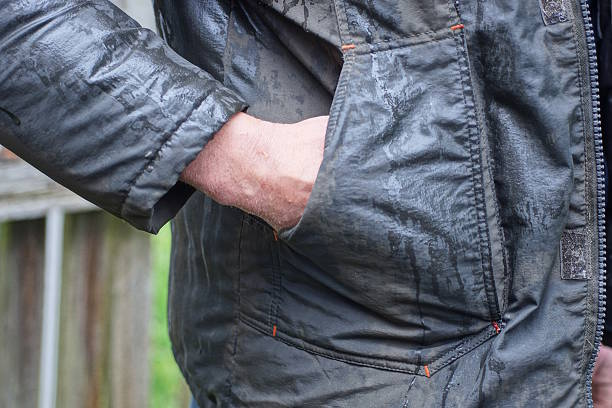
Some items feel different. They feel lucky. They feel like they represent the more refined end of your taste. They feel like proof that you know what you’re doing. You don’t want to mess it up by listing them too fast, pricing them wrong, or watching them sell for less than the fantasy number you made up in your head.
So you wait. You wait for better photos. You wait for the right season. You wait until you’re more organized. You wait until you feel more confident, more experienced, more whatever version of yourself you think exists in the future.
Meanwhile, the item waits too. And not in a productive way. What started as excitement slowly turns into pressure. Because the item is loaded with unadulterated emotional baggage, listing it becomes a test. If it sells quickly, great. If it doesn’t, suddenly it’s personal. So you avoid the whole situation by doing nothing at all.
This is how a death pile is born. Not from laziness, but from attachment interwoven with fear.
The “This Might Sell Someday” Lie
That is the most dangerous sentence in reselling. Not because it’s wrong. It’s usually true. But because someday has no deadline.
Someday turns into months. Months turn into seasons. Seasons turn into you reorganizing the pile instead of shrinking it. You start recognizing items by touch alone. You know exactly which sweater is at the bottom of the bin without looking.
At a certain point, the item stops being inventory and starts being decor. Emotional decor.

You’ve already mentally spent the money it could make. You’ve already imagined the perfect buyer, and have already decided it’s valuable, even if the market has never agreed with you. Unfortunately, items don’t gain value by sitting in your house. They don’t become more desirable just because you like them. The internet does not know how long you’ve owned something or how carefully you’ve been saving it for the right moment.
Someday is a holding pattern. And while you’re waiting, new items keep coming in. The pile grows and the pressure builds. Listing now feels a chore instead of the thing that actually makes the gears turn.
When an Item Becomes a Project Instead of a Product
One of the sneakiest traps is when an item turns into a project. You say it needs better lighting and styling, then the right hanger, mood, and version of you. Now it requires a creative direction and a minor emotional breakthrough.
Projects don’t sell. Products do.
The items that move are rarely the ones you obsessed over. They’re the boring ones you listed quickly, clearly, and without emotional fanfare. The mall brand sweater. The plain jacket. The thing you almost didn’t buy because it wasn’t so exciting. Meanwhile, the special item sits untouched because you don’t want to mess it up.
Listing something imperfectly is better than loving it into paralysis. Artistry be damned, buyers want clarity and good pricing. They are not waiting for your personal growth arc to conclude.
The Relief That Comes From Finally Listing

There is a strange, almost anticlimactic peace that comes from listing the item you’ve been hoarding.
You take the photos, write the description, choose a price. You hit publish. And then… nothing. The world keeps spinning. You don’t collapse emotionally. The item doesn’t scream at you for letting it go.
What does happen is lighter. Quieter. The pile shrinks. Your space less crowded. Even if it doesn’t sell immediately, it’s no longer haunting you. It’s doing its job, online. Existing in a place where buyers can find it, whereas before it was judging you from a bin.
And sometimes, it sells faster than expected. Sometimes for exactly the price you hoped. Sometimes for less. But even then, the relief often outweighs the outcome.
You didn’t fail. You finished. And that counts for more than we give it credit for.
Knowing When to Donate Instead of to List
Not every item needs to be listed. This is hard to accept, especially when you paid money for it or convinced yourself it was a great find at the time.
Some items don’t sell because demand isn’t there, or the margin isn’t worth the effort, or you just secretly don’t want to deal with it. Keeping them just in case doesn’t make them all the more sellable.
Donating is not quitting. Far from it. Letting go of an item that no longer fits your energy, your space, or your patience is a skill. One that makes room for better inventory and better momentum. It’s a reset button.
And yes, it stings a little. That’s normal. But the relief usually shows up faster than the regret.
The Quiet Power of Trusting the Process
You don’t have to conquer the entire death pile in one heroic afternoon. That’s how burnout happens.

Start smaller. Pick five items that have been sitting long enough to feel familiar. List three of them. Donate one. Keep one, intentionally, without guilt. Once you experience how much mental space clears when items move out of limbo, it gets easier to repeat.
Reselling works best when you stop treating every item like a referendum on your taste, your skill, or your future success. Some things sell fast. Some things don’t. Some things surprise you. Some things humble you. None of it is personal. Your job isn’t to protect items forever. Your job is to move them along.
You don’t need to romanticize inventory to respect it. And you don’t need to keep everything you love to prove you’re good at this. Sometimes the most professional move you can make is letting go.