How to Price Items for Resale
by Joem Castones •August 3, 2026

If you are reading this, you are probably standing in a room surrounded by things you once loved, things you never wore, or perhaps a bizarre combination of both. Maybe you are trying to clean out your closet, or maybe bought a box of vintage teacups because you had a momentary vision of yourself as a sophisticated collector, and now you need to pay your electric bill. Whatever brought you here, we share the same fundamental problem: we need to put a price tag on an object, and we have absolutely no idea what we are doing.
Pricing items is a masterclass in psychological warfare, mostly played against yourself. It forces you to confront your own poor financial decisions while simultaneously begging strangers on the internet to validate those decisions with cash. If you price an item too high, it sits in your spare room for six months, mocking you every time you walk past. If you price it too low, it sells in four seconds, leaving you with a profound sense of regret and the distinct feeling that you just got robbed by someone from Ohio.
The Emotional Premium

The first major hurdle in resale pricing is stripping away the emotional premium. This is the invisible tax you add to an item because you have memories attached to it. You look at a faded corduroy jacket and think about the great concert you wore it to in 2018. You remember the crisp autumn air, the music, the compliments. You feel that jacket is easily worth forty dollars.
The buyer on eBay does not care about your concert. The buyer looks at the photo and sees a jacket with a slight stain near the pocket that looks suspiciously like mustard. To the buyer, this is a twenty-dollar jacket that requires immediate laundering. You must view your inventory through the cold, unfeeling eyes of a stranger. If you bought a pair of boots for two hundred dollars, wore them twice, and hurt your ankles, they are still used boots. The internet does not care about your medical history or your financial guilt.
The Golden Rule of Comps

The single most important step in this process is researching comparable sales, or comps. Go to the platform where you plan to sell. If you are using eBay, type in your item and immediately filter by sold items. This is crucial. Do not look at active listings. Active listings tell you what people want to get for their items. Anyone can list a half-eaten sleeve of crackers for ten thousand dollars, but that does not mean the market supports the cracker economy.
Look at the numbers in green. That is the hard reality of what people actually paid. Find items that match yours in brand, condition, and color. If the last five identical shirts sold for fifteen dollars, your shirt is worth fifteen dollars. You can try to list it for twenty-five, but you are essentially just giving your shirt a temporary vacation on a website before it returns to the back of your wardrobe. A listing price is a wish. A sold price is a fact. Always build your numbers on facts, even when they hurt your feelings.
The Shipping Trap

People hate paying for shipping. It is a scientific fact that a person will happily spend thirty dollars on an item with free shipping, but will completely abandon their shopping cart if the item costs twenty dollars and shipping is five dollars. The math makes no sense, but human brains are weird.
When you set your price, you need to decide how you will handle shipping. If you choose to offer free shipping, you must bake that cost directly into the item price. If you want fifteen dollars profit on a heavy glass bowl, and it costs twelve dollars to ship, your listing price needs to be twenty-seven dollars. If you forget to calculate this, you will find yourself standing at the post office paying the clerk more money than you actually received from the buyer. This is a rite of passage for every reseller, and it feels exactly like burning cash in a parking lot.
Platform Nuances and the Lowballers

Different platforms attract different crowds, and your pricing should reflect that. Facebook Marketplace is the wild west. If you list an item for fifty dollars, someone will message you within three minutes asking if you will take eight dollars and a candy. They will also ask you to drive forty miles to deliver it to them. On these local apps, always price your item about twenty percent higher than your actual target price. This gives the buyer the satisfaction of haggling you down, and it gives you the satisfaction of getting exactly what you wanted in the first place.
Poshmark and Depop are different beasts. Buyers expect sleek photos and a curated vibe. You can often charge a bit more here, but the platforms take a larger cut. Always check the fee structure before you set your final price. If a platform takes twenty percent, and you price an item at ten dollars, you are doing a lot of packing and driving for a very small reward.
Condition Clarification
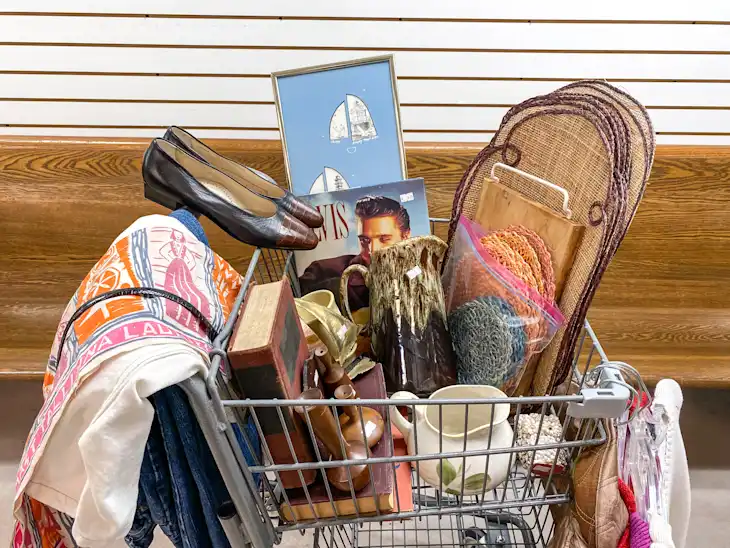
Be brutally honest about condition. If an item is brand new with tags, great. If it has been worn once, it is used. There is no such thing as "basically new." It is either new or it is not. If there is a scratch, a dent, or a loose thread, take a picture of it and price accordingly. Lowering your price by a few dollars to account for a flaw saves you from the nightmare of a disgruntled buyer demanding a return. A return means you have to pay for shipping twice, and you get your flawed item back, accompanied by a strongly worded message that makes you feel like a terrible human being.
If your inventory is not moving after two weeks, your price is wrong. The market has spoken, and it has rejected your offer. Do not take it personally. Lower the price gradually. Most platforms allow you to send offers to users who have liked your item. Use this tool. A small discount can trigger an impulse buy, and getting an item out of your house for a little less money is always better than letting it gather dust while you stubbornly insist on its value.
If you're selling across multiple platforms, managing listings on each one individually gets overwhelming fast. SellRaze lets you create listings with AI and crosslist across all your favorite marketplaces in seconds. It is well worth checking out if you want to save time, avoid manual data entry, and sell more inventory across the web.
Start optimizing your listings today.