Why Your Favorite Find Will Always Be Someone Else’s Least Favorite Purchase
by Joem Castones •January 5, 2026
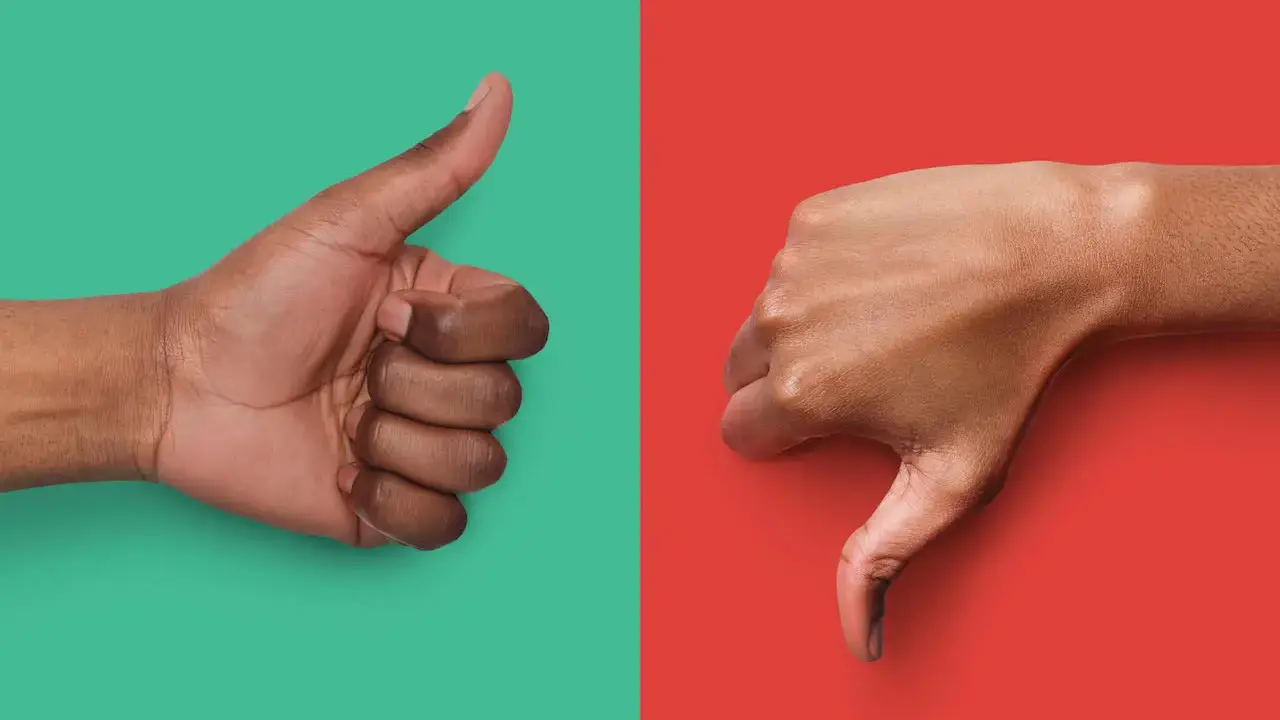
Ever had that moment when you score that perfect find and something speaks to your soul in a way nothing else can? You tilt your head, how something so utterly aligned with your taste exist that it feels less like shopping and more like being chosen.
It fits. It costs less than your vegan lunch. You hold it up and already see yourself who wears it so seamlessly, so effortlessly that passing strangers stop by to ask things like “where did you get that?” So you buy it with confidence. But when you bring it home, flaunt it around, and someone—inevitably, always—just can’t seem to understand what the big deal is.
It hits you like that "Reply All" email you sent by mistake from 2014.
Your favorite find is absolutely not everyone’s favorite purchase. In fact, it might actively confuse people. Possibly concern them.
And honestly? Now that I think about it, That’s kind of the point.
The Beauty of Subjective Taste
Taste is not a universal language. It is a private dialect shaped by your childhood, your budget, your internet habits, and whatever phase you were in when you decided skinny jeans were dead to you.
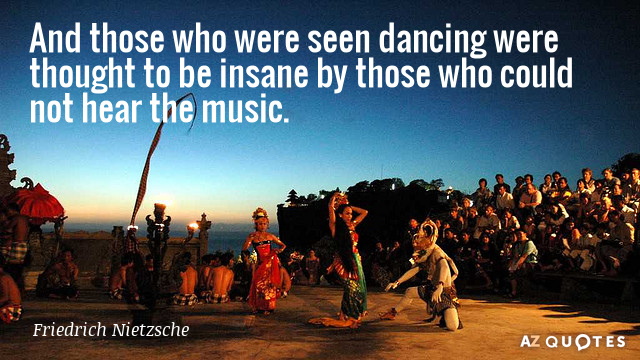
Like pineapple to your pizza, what feels exciting to you might be an abomination to someone else. It’s a universal truth of the consumer experience: there is no one-size-fits-all when it comes to taste. And this is amplified in thrifting because nothing is neutral. Everything already lived a life before you touched it. You love a sweater because it reminds you of your grandmother’s house but it might remind someone else of an itchy Christmas they’d rather forget. Those pants you adore for their dramatic silhouette others will just call “what the heck is that?”
Seriously, people are picky. You are not wrong. They are not wrong. Both are just responding to different internal alarms. If everyone liked the same thing, the world would be an endlessly beige, boring place with zero variety.
Thrift stores are museums of personal taste. Every rack is a collection of someone else’s “absolutely not.” And somehow, you find yourself standing there thinking “finally, someone understands me,” even though no one curated this for you—yikes.
But that connection is real, even if it is not widely shared.
The Danger of Getting Too Attached

The problem starts when you confuse liking something with needing validation for liking it.
You want other people to confirm that your love makes sense. To see what you see. The craftsmanship. The uniqueness. The potential.
Sometimes, we get so attached to a product that we forget it’s not the actual thing that’s special, but the story behind it. Let’s think about the weathered leather jacket at the thrift store you found after a week of terrible decisions that now holds sentimental value, like some sort of high-fashion battle scar. To you, it’s a symbol of resilience, but to someone else, it’s just a jacket that smells a little too much like a 1980s road trip.
When you’ve had the good fortune of finding something you love, you wear it like armor. It represents an investment, something meant to be. It’s a reflection of your personality, your taste, your sense of self. But the moment you share it with someone else—well, let’s just say they might not get the vibe.
The more attached you are to the story behind the find, the harder it is to accept that other people are not part of that story. They were not there. They did not dig through three racks of garbage to get to it. They do not owe it the sparkly eyes and admiration.
And that’s okay. Everyone’s mileage varies.
The Case of the Mystery Pair of Sneakers
Every thrifter has owned at least one item that requires explanation.
Let's paint a picture: You just got your hands on the most niche pair of sneakers ever. They're sleek, limited edition, some designer collaboration that you’ve been stalking for months, dreaming of them with the passion of a teenager discovering their first crush. These sneakers fit your aesthetic like a dream.
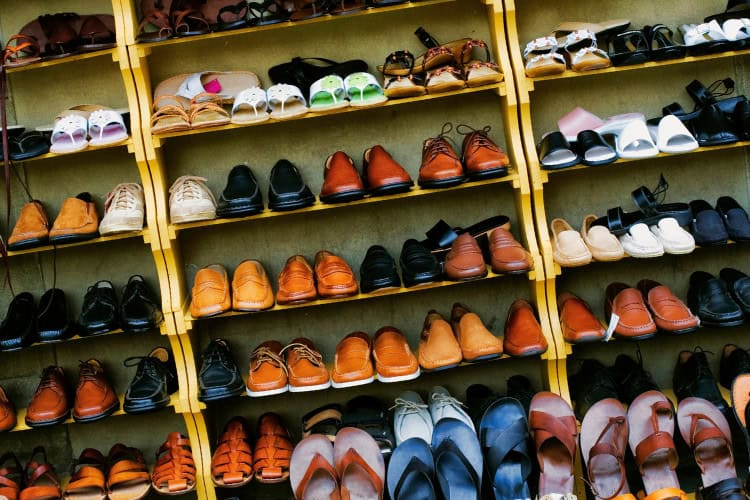
You put them on and someone immediately asks questions. Questions you were not prepared to answer. “Are those limited edition?” “Are they supposed to look like that?” “How much did you pay for them?”
You launch into context. The brand, the era. The fact that they are rare. A steal that you have been looking for since forever. You explain how they represent your inner sneakerhead. They blink twice. To them, they’re just... shoes. Shoes that don’t even look that cool—but they wouldn’t dare say that so they nod politely.
This is when you realize that some things only make sense if you wanted them before you saw them. Without desire, they just look strange.
The satisfaction of the thrift is proportional to specificity. And the more specific your item is, the smaller your audience becomes.
The Mysterious Appeal of the Uglies
There is a special category of thrifted items that exist purely on vibes. They are objectively questionable. They break rules. They look like they should not work.
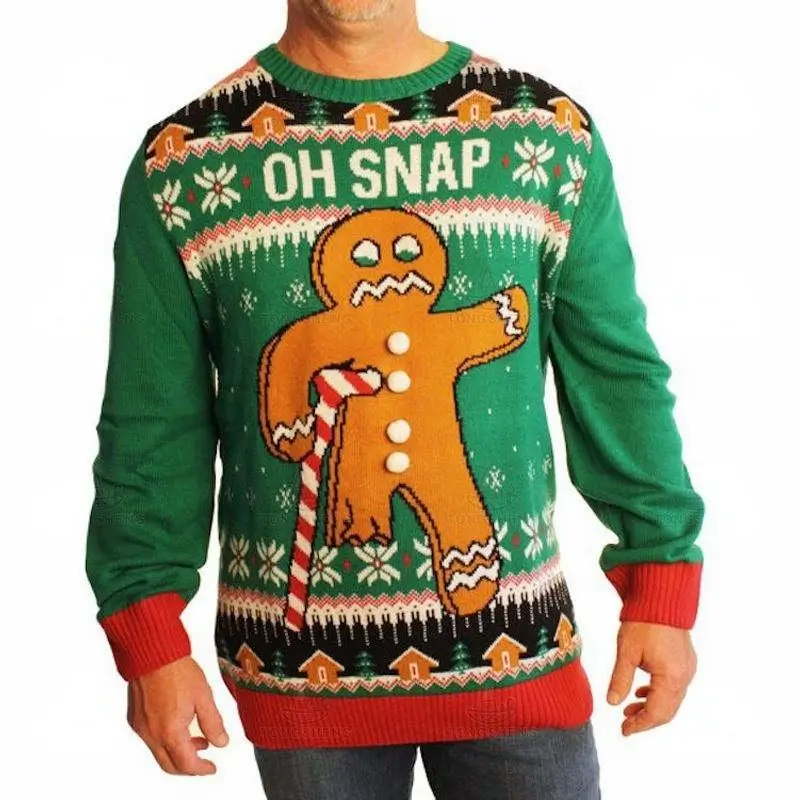
And yet they have personality. Something that makes you smile every time you see them. Like when you see something that's got this undeniable charm but also maybe isn’t winning any beauty contests. Ugly things are not trying to be safe. They do not blend in quietly. They take up space. When you love something ugly, you are opting out of approval. Joy over consensus.
You might call it “vintage,” “retro,” or “avant-garde,” but let’s be real, it’s kinda ugly. And yet, when you wear it, you feel like a street-style icon.
Take crocs, for example. I dare you to find someone who hasn’t had an opinion on crocs. People either love them or hate them, and there’s no middle ground. Sure, some people would sooner drown in a pool of their own tears than wear crocs out in public, but you? You throw them on like they’re a crown of glory. Why? Because comfort is king, and fashion is subjective.
Items such as these tend to get the strongest reactions because they refuse neutrality. People either get it or they really, really don’t.
I mean, you are not obligated to be visually agreeable.
The Power of the Unlikely Hero
You can’t be too swayed by others’ opinions when it comes to what you buy. If you’re always trying to make sure everyone else thinks your stuff is cool, you’ll never end up with those weird little treasures that make life fun.

Some of the best thrifted items are not impressive at first glance. They’re not the kind of thing that’ll get you a bunch of likes on Instagram, but this underdog quality that makes them feel so much more personal. Whether it's an oddball scarf, a pair of beat-up boots, or a shirt with an obscure reference that only four people get, these things have a way of growing on you.
These pieces rarely get compliments. They do not start conversations. They are the ones other people tend to overlook entirely.
Thrifting teaches us that the loudest items are not always the most important ones.
In the End, You Do You
Your favorites do not need to make sense to anyone else. You’re not shopping for a clone army of people who are going to nod enthusiastically at every purchase.
It does not need to be trendy, flattering by committee, or universally understood. It only needs to work for you in your life, not the imaginary one you think you should be living. People will question your choices. They will suggest alternatives. They will fail to see the appeal.
Let them.
At the end of the day, taste is a personal archive of what makes you feel comfortable, amused, and confident. So buy the weird thing. Love it fully and wear it without explanation.
And if one day it no longer fits your life, let it go without shame. Someone else will find it. Someone else will feel that spark. Someone else will wonder why would anyone give this up.
That’s the cycle. And honestly, that’s what makes thrifting so alive.
Not sure you're getting the best deals? SellRaze keeps your inventory in sync and helps you track competitive pricing, so you never miss out on a sale. Start optimizing your listings today!