The Myth of Overnight Success in Online Reselling
by Joem Castones •January 21, 2026

Welcome to the glamorous world of reselling, where you too can join the ranks of those overnight success stories that make you want to throw your laptop out the window in frustration. Or, you know, sit in a corner with that $499 course you bought online and wonder if you just missed the point.
There are lots of stories of people claiming they’re making a fortune by flipping a couple of vintage T-shirts. Let’s get one thing straight. Reselling is not some magical land where you wake up to a mansion because you found a pair of sneakers on clearance at Target. If it were that easy, we’d all be sipping cocktails on beaches somewhere with our online shops raking in cash.
Overnight success is a myth because it gives people hope without context. It removes the awkward parts. The slow parts. The deeply unphotogenic parts.
And it has a lot of those.
So, let’s do a deep dive into the psychology of this myth and why, no matter how much we wish it were true, it’s really more of a slow-burn, long-haul kind of grind.
Overnight Success Is Just a Terribly Edited Montage
Social media is where reselling dreams go to get professionally lit. You see screenshots of sales days that look like a bingo card on fire. Phrases like “I just started” spoken casually.
What you do not see is how long “just started” actually means.
It might mean they listed for a year with no traction. It might mean they failed on three platforms before finding one that worked. It might mean they had a full-time job paying the bills while reselling was still growing in the background and endless adjustments were made when no one was there to see.

Every time you see someone claim overnight success, think of it as the highlight clip. Real reselling are the behind-the-scenes footage and the unpaid internship all stitched together. One thing about success is that it rarely proclaims itself. It creeps up to you while you are busy doing repetitive, and quite frankly, boring work.
Online reselling, on the other hand, has a very convincing fantasy attached to it. People love a good montage—a beginning, a middle, and a viral TikTok ending. It’s like those Instagram influencers who wake up with perfectly tousled hair and flawless makeup. If you are here wondering why your shop doesn’t look like your favorite hauler’s grid, congratulations. You are doing it right.
Make no mistake. Most people who look “lucky” have actually been practicing pattern recognition for a long time. We see their shiny results but we don't see the countless hours they spent researching the right products and dealing with customer complaints. They know what sells because they have watched what doesn’t. They price confidently because they have priced wrong enough times to feel it in their bones.
Such level of intuition explains why every overnight success story always has a long, invisible runway behind it. Experience hides well when filtered.
Reselling Is Like Dating (You Have to Kiss a Lot of Frogs First)
Reselling and dating share an uncomfortable amount of similarities.

At the beginning, you fall in love too easily. You see potential everywhere. An item just needs the right lighting, the right keywords, the right buyer. They are, after all, things that you feel emotionally connected to. All the while ignoring red flags like outdated styles or damage you swear is barely noticeable.
But most items are frogs. They seem promising in store, then disappoint at home. They sit in your inventory longer than planned. Some never sell at all. You will buy things you regret, defend them to yourself, and eventually accept that it’s time to let them go.
Then, occasionally, you find something that just clicks. It sells quickly. And more than the others. It makes you a genius for, like, six minutes.
You learn what buyers actually want instead of what you wish they wanted. You learn that personal taste and market demand are not the same thing and never will be.
Just like dating, you spend time and energy on things that go nowhere. You think something has potential. It ghosts you. You adjust your standards. Eventually, you stop chasing every interesting thing and start recognizing compatibility. Demand and timing.
The mistake new resellers make is thinking frogs mean they are bad at this. Frogs are part of the process. They are how you learn discernment. Which brands lie to you, what trends are already on their way out, and what your market actually wants versus what you personally like.
No one builds a profitable store without kissing an embarrassing number of frogs first.
What You See on Instagram Is Probably a Half-Truth (At Best)
Instagram content is not lying to you, but it is absolutely curating the truth.
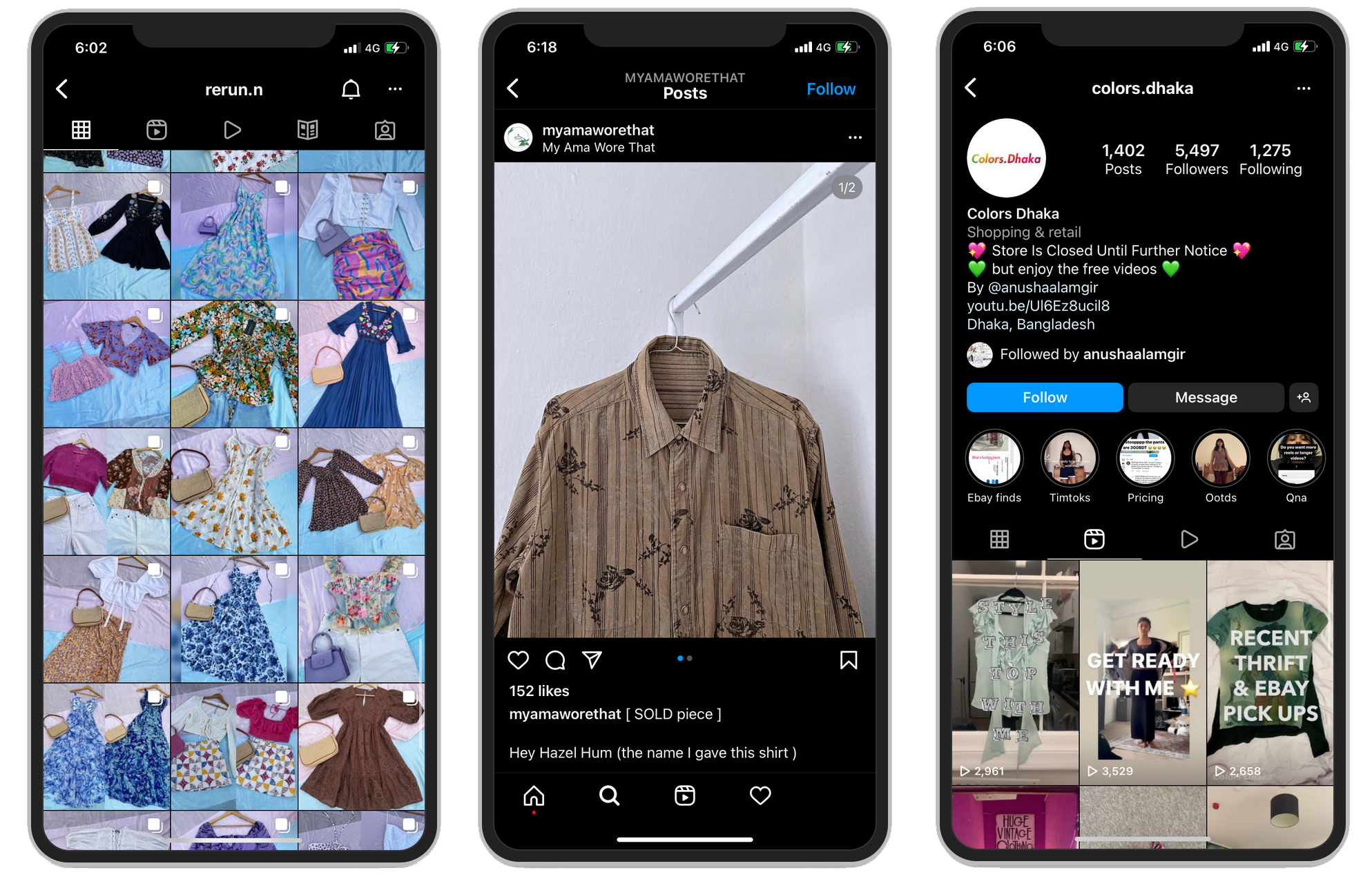
What you see are stacks of outgoing packages lined up like proof of life. You see big sale totals, not the sourcing costs. Nobody posts about the picture of their overflowing garage of unsold inventory or the time they accidentally shipped a damaged item to a customer and had to eat the return fees.
That’s because platforms reward excitement, not accuracy. A slow, honest story about gradual growth does not perform as well as a dramatic before-and-after. Comparing your behind-the-scenes to someone else’s highlight reel is a guaranteed way to feel like you are failing, even when you are doing fine. Growth in reselling is uneven. Some weeks are great. Some are painfully quiet. Social media compresses time and removes context, making success look instant and effortless.
Then there are the reselling gurus. The ones with the perfect captions and piles of money photographed just casually enough to feel attainable. Some of them are genuinely successful. Others are simply very good at content. No one is posting their overflowing garage of unsold inventory or the email they sent to a supplier trying to undo an overconfident bulk buy.
And then there’s the “get-rich-quick” reselling course. Oh, the online courses. The promise of the secret shortcut. The missing piece you apparently don’t have yet. If you’ve ever considered paying for one, just know this: the information inside is usually fine. Useful, even. But so is a Google search. You don’t need to drop $500 to find out how to find profitable products. Most of the information already exists for free if you are willing to search, test, and fail on your own. What you are really paying for is the illusion that someone else figured it out faster than you.
Most successful resellers build quietly. By the time you notice them, they are already standing on years of work you never saw. The late nights packing orders while friends were out. The shipping mistakes. If you measure your progress against someone else’s highlight reel, you will always feel behind. Not because you are failing, but because you are comparing real life to an edited version of it.
Embrace the Process: If It Feels Slow, You Are Probably Doing It Right
Reselling is a patience business pretending to be a hustle. It looks fast from the outside. Sales notifications, packed orders, numbers ticking upward. After all, buyers trust shops that look alive.
Think of your shop like a muscle. You do not build strength by lifting once and expecting visible results. You build it by showing up again and again, letting small gains stack quietly until one day you realize things feel easier. Listing matters more than listing perfectly. Improving photos matters more than waiting for the mythical right time. Momentum comes from repetition, as it is inspiration.
Over time, confidence replaces guesswork. You stop refreshing your stats like you do with your fridge. You begin to recognize what works because you have data instead of hope, experience instead of vibes. The most sustainable resellers understand this instinctively: not a sprint, but a marathon. So they pace themselves. They source within their means. They list consistently without burning out. They know growth that happens too fast often collapses just as quickly, taking motivation with it.

Slow growth gives you something fast success never does: time. Time to learn systems. Pricing, inventory control, time management. All the unglamorous skills that keep a business alive when excitement wears off. Building something solid takes longer than building something flashy. Those who last understand that contrary to popular belief, boredom is not a warning sign. It means stability.
The myth of overnight success suggests effort has a deadline and struggle is optional. Reality does not work that way. It is built through repetition, patience, and a willingness to look a little foolish while learning. If your shop feels small, good. Small shops grow. If progress feels slow, good. Slow progress sticks. Keep listing. Keep learning. Keep showing up, even when it feels uneventful.
One day, someone will look at your shop and say, “Wow, you blew up so fast.” Then you will remember the myths. The frogs. That dreaded middle.
And you will know the truth.