5 Apps Like ThredUp for Reselling in 2026
by Joem Castones •August 10, 2026
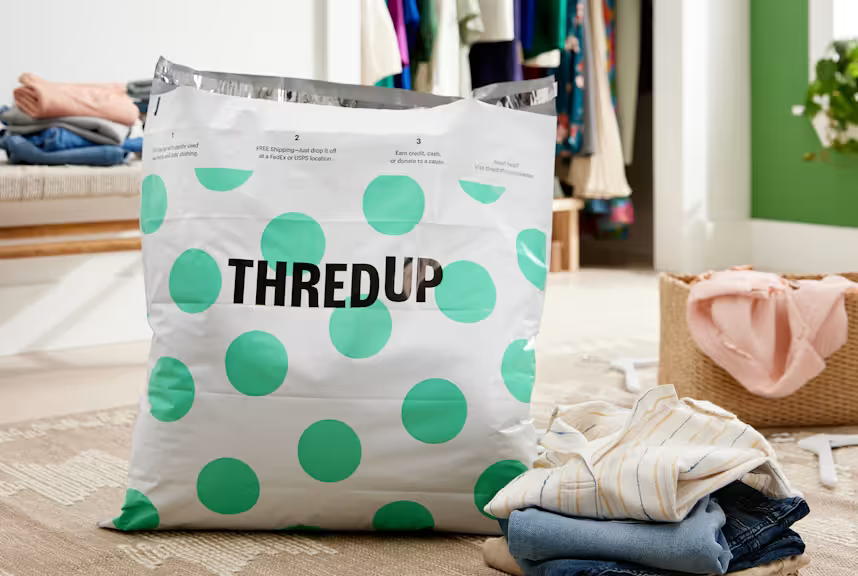
ThredUp is one of the most popular digital consignment platforms for eco-conscious fashionistas looking to clean out their closets. With over 50 million registered users and a massive automated processing facility, it's a go-to for casual fashionistas who want a completely hands-on selling experience.
But ThredUp isn't perfect for everyone. The platform's notoriously low payout percentages, months-long processing backlogs, and strict item rejection policies can leave active sellers feeling shortchanged. Whether you're looking to maximize your net profit margins, retain absolute control over your item pricing, or instantly flip trendy pieces to an active social audience, there are strong alternatives worth exploring.
Here are 5 apps like ThredUp that are worth your time in 2026.
Depop
Best for: Gen Z style curators and vintage apparel sellers who want a social, community-driven boutique aesthetic.

Depop operates as a highly visual, Instagram-style marketplace that transformed online thrifting into a cultural phenomenon, commanding a massive global audience of hyper-engaged fashion lovers.
What makes Depop completely different from ThredUp is the total elimination of corporate middleman gatekeeping. Instead of mailing your clothes to a warehouse and waiting months for a corporate evaluation, you function as your own independent boutique director—shooting custom editorial layouts, interacting directly with followers, and controlling your brand narrative.
Fee structure:
- Seller commission: 0% selling fee on all marketplace listings.
- Payment processing: 2.9% + $0.30 payment processing fee through Depop Payments.
- Shipping: Highly versatile; sellers can use automated, buyer-paid Depop labels or manage independent tracked courier shipping.
Who it's best for: Vintage curators, streetwear collectors, custom clothing designers, and aesthetic-focused fashion flippers.
Pros:
- Charges absolutely zero platform selling fees, maximizing your bottom-line item revenue.
- Fosters massive community engagement, allowing you to build an active, loyal buyer following.
- Empowers you with total, unrestricted control over your individual store pricing and policies.
Cons:
- Demands high continuous effort for aesthetic photography, modeling, and detailed writing.
- Requires handling all consumer service, direct message negotiating, and individual packaging logistics.
Poshmark
Best for: High-volume clothing merchants and casual closet clearers looking for a highly social, shipping-protected ecosystem.

Poshmark stands as an absolute giant in the social e-commerce space, hosting millions of daily fashion listings across North America and beyond.
Unlike ThredUp’s cold, centralized processing matrix, Poshmark utilizes a peer-to-peer social layout built around virtual Posh Parties and follower shares. The app operates on an incredibly straightforward, rigid framework: you snap photos, share your digital closet to boost visibility, and ship items immediately when an order is completed.
Fee structure:
- Seller commission: Flat $2.95 for sales under $15, or a flat 20% commission fee for any sales over $15.
- Payment processing: Included directly inside the platform's standard commission layout.
- Shipping: Flat-rate expedited shipping paid entirely by the buyer via automated, heavy-duty USPS Priority labels.
Who it's best for: Mid-to-high-end fashion flippers, shoe collectors, family outfit organizers, and boutique owners.
Pros:
- Provides an incredibly simple, stress-free shipping pipeline using flat-rate buyer-paid labels.
- Simplifies cash-out protocols with zero hidden processing deductions or waiting periods.
- Offers robust built-in seller protections and automatic escrow releases after three days.
Cons:
- Takes a massive 20% chunk of your hard-earned revenue on higher-value inventory items.
- Imperatively requires regular daily app interaction, sharing, and digital networking to maintain visibility.
Vinted
Best for: Casual declutterers wanting to sell everyday clothing with absolutely zero platform commission fees.

Vinted has silently scaled into an incredibly dominant international marketplace dedicated entirely to secondhand style, offering a low-friction, high-volume environment.
Vinted differs from ThredUp by completely shifting the entire financial burden of the transaction away from the merchant. While ThredUp slashes your payouts down to single-digit percentages, Vinted acts as a pure pass-through utility where you keep every single cent of your final listing price.
Fee structure:
- Seller commission: 0% flat rate (the merchant retains 100% of the item's listed market value).
- Payment processing: 0% for sellers (a variable Buyer Protection premium is billed directly to the shopper).
- Shipping: Billed entirely to the buyer, who automatically purchases a pre-paid digital courier label at checkout.
Who it's best for: Budget-conscious family clearers, high-turnover thrift pickers, and everyday casual clothing flippers.
Pros:
- Delivers unmatched profit retention by charging sellers zero listing or transactional commissions.
- Minimizes packaging friction with highly automated, pre-paid platform shipping labels.
- Supports a highly efficient digital bundle tool that lets buyers sweep up multiple items at once.
Cons:
- Struggles to attract high-paying luxury buyers, as the demographic skews heavily toward low-cost bargains.
- Lacks a centralized authentication middleman, leaving disputes up to automated platform moderation.
Mercari
Best for: Casual clothing merchants seeking a middle-ground platform that offers nationwide shipping and low-effort listings.
Mercari has established itself as an incredibly mainstream, user-friendly mobile storefront that simplifies the process of clearing out wardrobes and shipping them to a nationwide shopping audience.
The operational difference between Mercari and ThredUp comes down to order processing. Instead of sending your garments off in a clean-out bag for corporate evaluation, Mercari lets you list your items yourself from your phone, controlling your prices while charging a flat commission rate once an item sells.
Fee structure:
- Seller commission: Flat 10% selling fee applied to the item price and buyer-paid shipping.
- Payment processing: 0% separately for sellers (the standard processing fee is fully bundled into the base 10% rate).
- Shipping: Streamlined via buyer-paid or seller-paid automated prepaid labels through USPS, FedEx, or UPS.
Who it's best for: Mid-tier apparel flippers, shoe sellers, toy collectors, and casual everyday clothing declutterers.
Pros:
- Keeps a predictable financial layout by rolling processing costs into one flat 10% structure.
- Offers excellent seller shipping protection up to $200 on all platform-generated shipping labels.
- Allows you to list items across multiple non-clothing categories from the exact same profile.
Cons:
- Applies the 10% seller commission to both the item price and the shipping label cost.
- Requires you to photograph and package each item individually rather than outsourcing processing.
SellRaze
Best for: Modern digital clothing entrepreneurs looking to maximize item velocity by cross-listing onto multiple platforms.
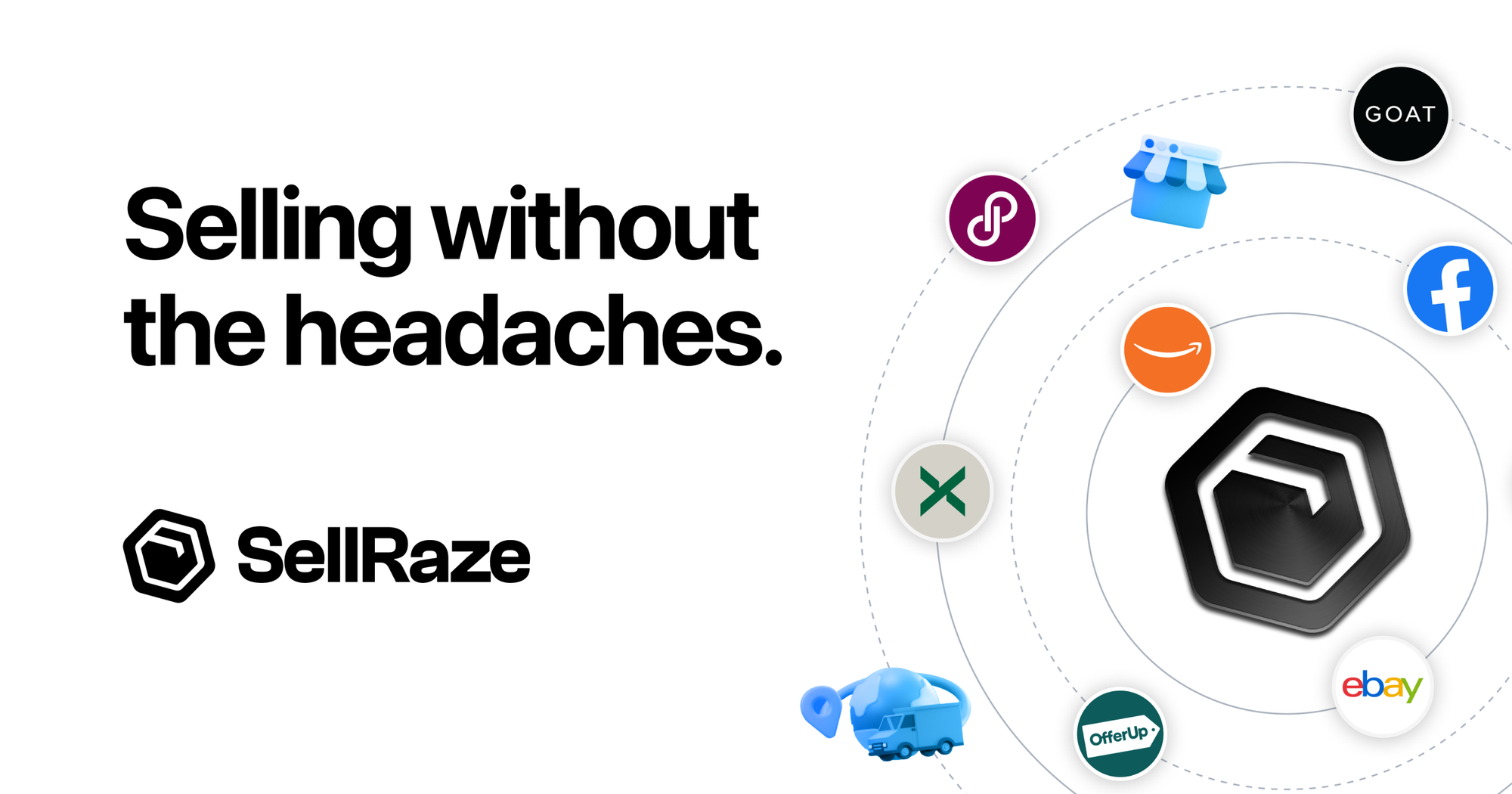
SellRaze represents a modern breed of automated web and mobile technology designed to completely streamline multi-channel operations for modern internet merchants.
The functional difference between SellRaze and ThredUp comes down to platform architecture. ThredUp locks your apparel away inside a single corporate warehouse under their sole control, whereas SellRaze frees your digital assets entirely—broadcasting your clothing items across every major competing digital style hub at the exact same moment.
Fee structure:
- Seller commission: 0% native platform commissions (you solely cover the standard transaction fees of whichever destination app sells the item).
- Payment processing: Dependent entirely on the integrated payment gateway of the marketplace that secures the end buyer.
- Shipping: Managed seamlessly through the integrated logistics tools of the final sale channel.
Who it's best for: High-volume e-commerce scaling experts, active footwear multi-platform flippers, and streetwear boutique owners.
Pros:
- Eliminates manual data input by broadcasting product details across various storefronts instantaneously.
- Mitigates double-selling liabilities by executing real-time automated listing deletions upon a successful sale.
- Demands absolutely zero additional sales commissions on your monthly business revenue.
Cons:
- Necessitates maintaining active, verified seller profiles across distinct digital storefront networks.
- Involves an initial technical linking step to correctly map out your external store credentials.
Unlike ThredUp, SellRaze ensures your clothing store is never reliant on a single company's processing backlog or algorithm.
Quick Comparison
|
App |
Seller Fee |
Best For |
Audience |
Shipping |
|---|---|---|---|---|
|
ThredUp |
Variable up to 80% |
Completely passive cleanouts |
Bargain hunters & eco-shoppers |
Prepaid clean-out kit sent to warehouse |
|
Depop |
0% |
Social vintage & streetwear |
Gen Z style curators |
Depop labels or independent courier |
|
Poshmark |
20% (Sales over $15) |
Social fashion selling |
Mid-to-high mall brand fans |
Flat-rate USPS Priority paid by buyer |
|
Vinted |
0% |
Zero-fee everyday closet cleans |
Budget-conscious fashionistas |
Prepaid labels paid by buyer |
|
Mercari |
10% |
Mid-tier apparel & variety |
Nationwide everyday consumers |
Prepaid labels or self-ship options |
|
SellRaze |
0% |
Multi-platform cross-listing |
Cross-channel digital merchants |
Inherited from final sale platform |
The Bottom Line
Deciding on your ideal ThredUp alternative depends entirely on how much effort you want to exert and the value of your clothing items. For those who want a zero-fee model to flip everyday apparel without corporate fees eating your profit, Vinted and Depop give independent operations excellent financial control. If you prefer a highly structured marketplace with fixed protections and high nationwide traffic, Mercari and Poshmark remain powerful destinations.
If you're selling across multiple platforms, managing listings on each one individually gets overwhelming fast. SellRaze lets you create listings with AI and crosslist across all your favorite marketplaces in seconds. It is well worth checking out if you want to save time, avoid manual data entry, and sell more inventory across the web.
Start optimizing your listings now.