Reselling Without Niching Down (Because Commitment Is Hard)
by Joem Castones •May 30, 2026

We are garage sale magpies. Thrift store raccoons. Business goblins fueled by caffeine and the dangerous confidence that comes from seeing one sold comp on eBay at one in the morning.
Reselling and not committing to a niche sounds romantic until it means ignoring entire sections of a thrift store forever. It feels unnatural, because it is. Like being told you can only listen to one genre of music for the rest of your life. What if the best flip of the day is hiding between the bread makers and the creepy porcelain dolls? Exactly.
So instead, we become resellers with stores that look like somebody shook an entire flea market inside a shipping container. One customer buys Pokémon cards. Another buys a lamp shaped like a fish. Somewhere in the middle, somebody purchases replacement remote controls from 2007.
And it works. Sometimes beautifully. Sometimes like a shopping cart with one broken wheel violently dragging itself through a parking lot. Still counts as movement though.
Jokes aside, reselling without niching down is messy, chaotic, exhausting, and occasionally brilliant. It’s also one of the funniest ways to accidentally learn thousands of useless facts while slowly turning your home into a temporary museum of abandoned consumerism.
Running Your Shop Like a Convenience Store
Remove all the pizzazz and there are two types of resellers in this world.
The first type has a niche. They sell only vintage band tees from 1992 to 2004, identify a rare tag from fifteen feet away like some kind of raccoon Sherlock Holmes, and their inventory is color-coded. The seller page has a logo, maybe even a mission statement.
Then there’s the second type, who has seventeen unrelated items listed at once: a lava lamp, a Wii steering wheel, a porcelain duck wearing rain boots, three different bread makers, and a jacket they found in a storage bin and still haven’t tried on because they’re scared it might fit too well and become sentimental.
That second type is us, our stores digital junk drawers held together by bubble wrap and dreams. It’s kind of beautiful, really.
People love to preach about niching down because it sounds responsible. Mature. Strategic. Like meal prepping or owning matching Tupperware lids. Every reseller guru eventually says the same thing: “Focus on one category so buyers trust you.”
Meanwhile, half of us got into reselling because we found a weird ceramic frog at a thrift store and thought, “Somebody online probably wants this ugly little man.”
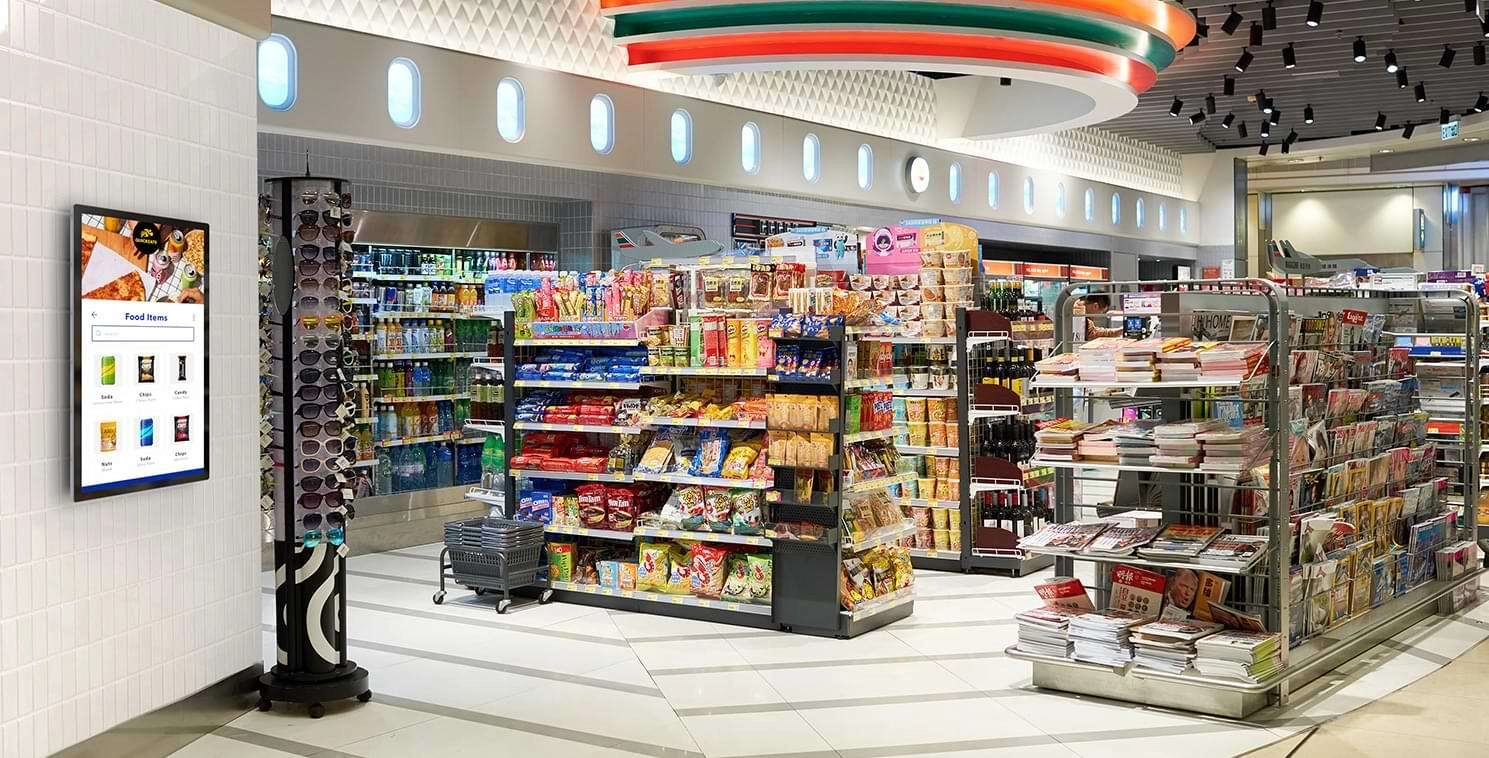
A lot of resellers act like niching down is some sacred coming-of-age ceremony. Like one day you wake up, stare out the window dramatically, and whisper, “I am now a vintage camera seller.” But many of us are commitment-phobic treasure hunters powered entirely by curiosity™. We don’t want to specialize. Besides, nobody walks into a convenience store expecting elegance. They walk in because they need a random charger, or sunflower seeds. Online marketplaces are the same. If you have the exact weird object they need, they usually do not care that your other listings include cowboy boots, printer ink, and a haunted-looking teddy bear.
The downside is that wandering has consequences. When you don’t niche down, your workspace becomes impossible to explain to visitors when one shelf has plushies and the other car parts.
And sourcing becomes dangerous. A niched reseller walks into a thrift store with purpose. They move with military precision, knowing exactly what brands they want. That means skipping entire aisles without temptation.
Meanwhile, broad resellers enter stores like children released into a toy store. Everything becomes a possibility. We float from aisle to aisle like ghosts trapped in a TJ Maxx. We pick things up because they seem expensive. We Google things with zero context. We buy items purely because somebody else once paid $80 for one in Nebraska three years ago.
Hours disappear this way. You spend too much time researching random items. Make slower buying decisions. Hesitate more. Even accidentally buy garbage because you don’t have enough experience in a category to recognize the red flags.
Even worse, when you start trusting your instincts too much, you convince yourself you’ve developed reseller intuition, when really you’ve just become overconfident after correctly identifying one profitable coffee machine three months ago.
Still, there’s a weird freedom in not niching. You never get bored.
A vintage toy seller might become deeply knowledgeable about action figures, but after listing the seventeenth Ninja Turtle in one afternoon, their brain probably starts leaking out their ears. On the contrary, the you get variety. Every day is like a side quest. Today you’re researching antique salt shakers. Tomorrow you’re learning why discontinued vacuum attachments sell for horrifying amounts of money.
You become quite the useless genius. Nobody in normal society needs to know that certain Pyrex patterns cause bidding wars, but here you are anyway. A strange little encyclopedia wearing thrifted jeans.
Just keep in mind the danger that can eat your profits alive if you’re not careful. Because when you sell everything, you also risk knowing nothing deeply.
The Commitment Issues Are Actually the Business Model

On that note, here’s the funny thing nobody says out loud: some people are just genuinely better at broad reselling. Not because it’s more efficient. But because their brain works like an overstimulated crow collecting shiny objects.
A niche reseller thrives on repetition. They love systems. Fancy words like predictability and refinement. They want expertise. The very opposite of the chaotic reseller, who thrives on surprise.
Finding a random profitable item feels like hitting a slot machine. It feeds the fantasy that every object has hidden potential. Your brain lights up—and you chase that feeling.
That’s why many broad resellers struggle to niche down even when they know they probably should. To them, niching feels like putting blinders on at the world’s strangest buffet. What if the best flip in the store is outside your category? What if you walk past the cursed little ceramic clown worth $200 because you decided to focus on shoes?
The possibilities haunt you. So instead, you’re a browser with forty-seven tabs open.
But the lack of a niche creates another problem nobody talks about enough: decision fatigue. When you sell everything, you must learn everything. You have to know clothing brands, electronics, toys, kitchenware, media, collectibles, shoes, home decor, seasonal trends, shipping quirks, and why certain replacement lids apparently contain the soul of the economy.
Useful? Sometimes. Concerning? Absolutely. And because you never fully master one category, every sourcing trip feels slightly reckless. You’re always taking educated guesses. Death piles are especially brutal for broad resellers because there’s no consistency. At least clothing sellers can stack inventory neatly.
And yet, despite all this chaos, broad reselling teaches adaptability faster than almost anything else. You just need structure somewhere. Maybe you only buy items with strong sell-through rates. Or you avoid oversized items unless the profit is ridiculous. How about stop buying interesting things just because your goblin instincts activated.
Broad resellers survive by learning practical filters. You cannot research every object like you’re filming a documentary series. Just build mini-expertise across categories instead of mastering only one. Your brain is a giant messy attic of resale knowledge. The moment you realize that, patterns will be easily recognizable. You notice quality materials faster. You memorize good brands. You learn which items people replace constantly and which items collect dust.
Online marketplaces are basically giant digital flea markets anyway. Chaos already won years ago. The key is discipline. Because broad reselling makes impulse buying feel productive, too.
The Beautiful Disaster of Refusing to Specialize

There’s a difference between flexible and directionless. Flexible means adapting to opportunities. Directionless means buying a vintage fax machine because your heart said yes.
One of the best things about broad reselling is that it protects you from category slumps. Trends shift constantly online. What sells fast one year can suddenly move slower than your public library WiFi.
A broad reseller can pivot quickly. If collectibles cool down, maybe home goods pick up. If clothing sales tank, maybe media bundles start moving.
The downside is that you constantly feel like an intern at your own business because you’re forever learning new things. There’s always another category to study. Another shipping nightmare to solve. Another item shaped like a question mark sitting in your cart.
But that’s part of the fun. For a lot of us, reselling was never about becoming a perfectly optimized corporation anyway. It was about freedom. From boring jobs. From staring at spreadsheets all day. Freedom to wander into a thrift store on a Tuesday afternoon and somehow leave with both profit and confusion.
Niching down works great for many people. Truly. Some sellers thrive when they specialize. They become trusted experts. Their stores look polished and intentional.
But if niching down makes you miserable, bored, or creatively numb, then forcing yourself into one category might backfire completely. You’ll procrastinate more. Source less. Burn out faster. Most resellers are not chasing corporate perfection. They’re chasing sustainability. A business they can actually stick with long enough to enjoy.
You can tighten your processes without shrinking your personality. You can learn discipline without becoming robotic. And you can absolutely make money while selling a completely unhinged mix of items that looks like somebody emptied an attic directly into the internet.
That’s the beauty of reselling. There’s room for the specialists with spreadsheets and barcode scanners.
And there’s room for the goblins.
Not sure you're getting the best deals? SellRaze keeps your inventory in sync and helps you track competitive pricing, so you never miss out on a sale. Start optimizing your listings today!