Why Thrift Stores Are the Ultimate Trend Forecasters
by Joem Castones •January 19, 2026
Suppose you were standing under a flickering fluorescent light, holding a leather jacket that absolutely did not want to be leather anymore. It was slouchy. It had weird pockets. It looked like something a backup guitarist wore during a bad year. You bought it anyway because it costs less than your iced coffee.
Six months later, that jacket showed up everywhere. On TikTok. On celebrities who pretend they woke up that way. On mannequins with names like Urban Nomad.
You felt confused. And slightly betrayed by time.
If trends are the news, thrift stores are the gossip column of style. They hear everything first. They know what people loved, what they regret, and what they are circling back to after they came to the conclusion that they should never have worn it in the first place.
Thrift stores are not behind trends. They are ahead of them, quietly stacking the future on wire hangers while the rest of us argue online about whether barrel jeans are a joke or a cry for help.
Trends Do Not Truly Die
Trends do not appear out of nowhere because nothing ever truly leaves fashion. It just gets grounded for a while.
Thrift stores are where trends go when they are tired. When they have been worn to death, judged by their peers, and gently placed in a donation bag by someone who’s embarrassed by the person they were when they bought them. When you see a lot of these things in one place, that is collective burnout—and how these stores basically become trend archives.
Burnout is important. Cultural compost is the way new growth happens.
When enough people give up on something at the same time, it piles up. Low-rise jeans. Boxy blazers. Rhinestones. Skinny scarves. You can see it physically. Entire racks of the same silhouette, the same fabric, the same bad idea that will soon become a good idea again.
Where trend forecasting firms use data and algorithms, thrift stores use gravity. What sinks together rises together.
Every Rack Is a Time Capsule
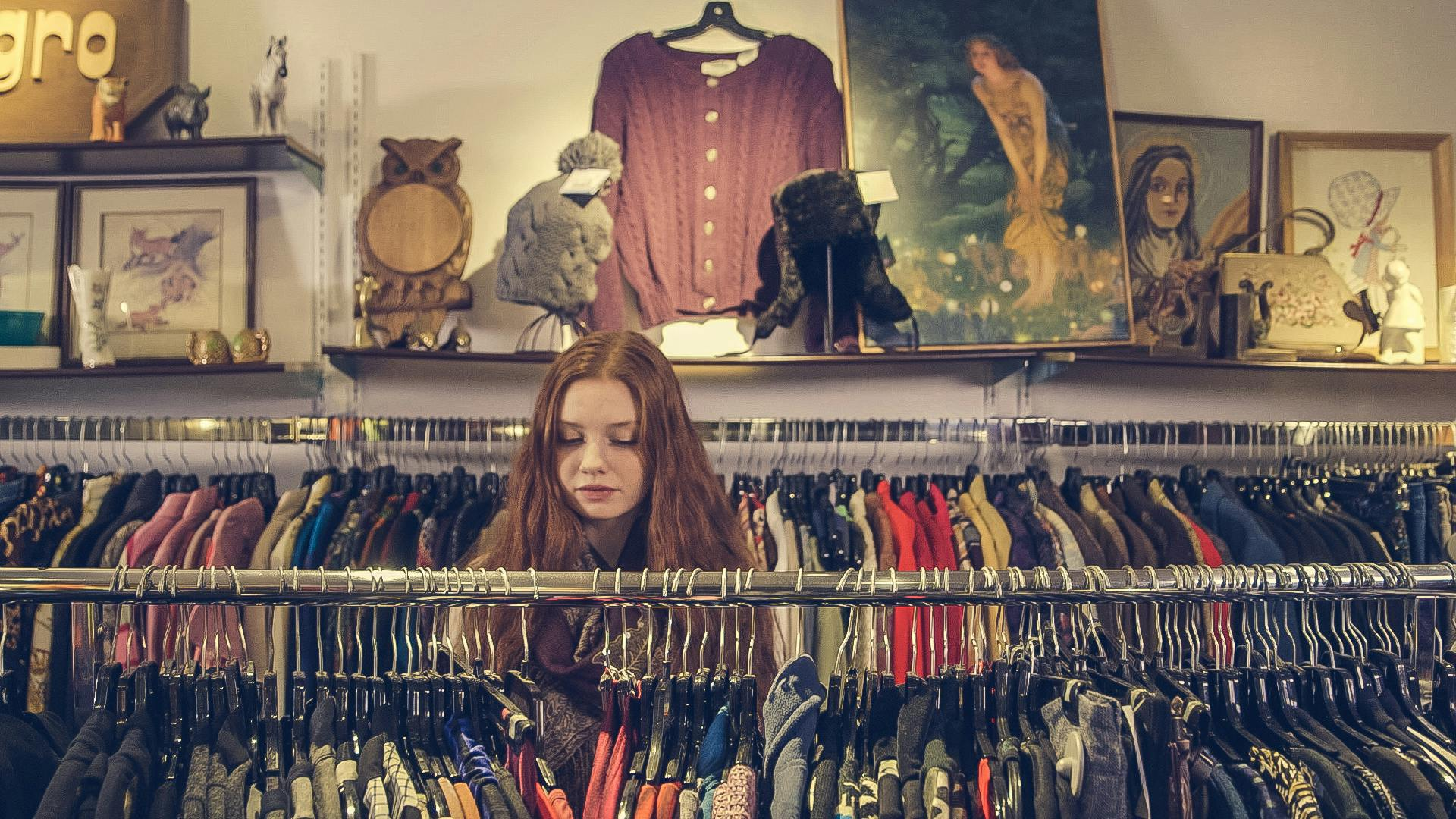
Walking through a thrift store is like flipping through a high school yearbook that covers forty years and several emotional arcs. Here is the optimistic phase. Bright colors, experimental cuts, shirts that believe in themselves too much. Here is the minimalist phase. Everything beige. Everything apologizing for existing. Here is the era where we all thought dressing like an office chair was aspirational.
Thrift stores predict these trends so well because they show you patterns without commentary. No marketing language or influencer explaining why this time it’s different. Just an increasing number of mesh tops that suggest people are ready to feel interesting again.
You start noticing cycles. You see the return of square toes before they are declared “back.” You see skirts getting longer. Then shorter. Then long again. If you want to know where fashion is headed, pay attention to when the clothes start having opinions.
Cool People Quit First
The people who shape trends are also the first ones to get bored of them.
Stylists, designers, artists, and that one friend who always looks put together but claims they are “just throwing things on.” These people wear something early, make it their entire personality, and then abandon it without a second thought. Those clothes do not just go into storage. They also go straight to the thrift store.
This is why thrift shops are full of pieces that are slightly ahead of where mainstream fashion currently is. Those boxy silhouettes were never meant to stay long. They passed through someone who already lived in the future for a bit and got tired of it.
By the time the masses catch on, those early birds have already let go. You are literally shopping their leftovers. Which sounds a bad thing until you realize leftovers are often better the next day.
Mannequins Are Bad, Which Is the Point
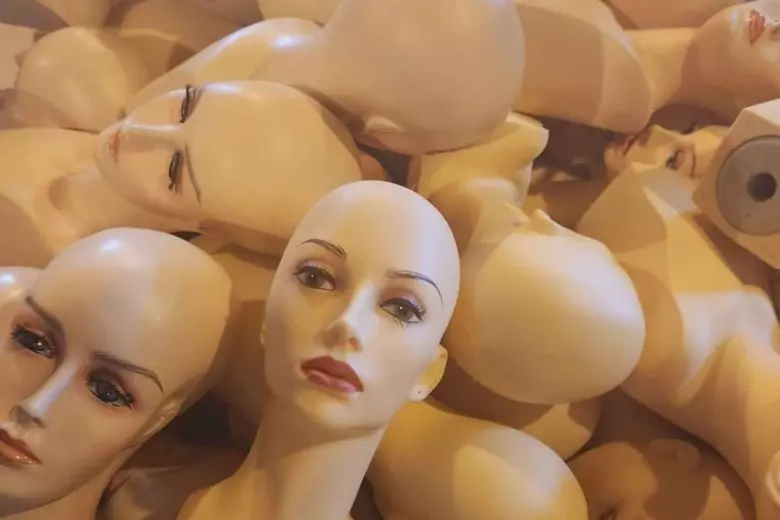
Retail stores style outfits like they are trying to win an argument. Thrift stores just put things out and let you fight with yourself.
Nothing is explained. You have to imagine it yourself. The mannequin might be wearing a winter coat with flip flops and a necklace that’s crooked. When you are not told how to wear something, you actually look at it. Everyone sees it differently—the shapes, textures, and proportions. You combine it with things you already own. You make decisions based on instinct instead of instructions.
That is how you spot what is coming. Instinct is how trends are born. Before the names and the hashtags. Before someone tells you it’s cool to like them.
Thrift Stores Understand Real Bodies and Real Lives

Fast fashion shows clothes on bodies that do not exist outside of lighting teams and favorable angles. Thrifting caters to actual humans who doomscroll on the toilet.
You see how clothes age. You see where fabric stretches, where seams hold up. Which materials age well and which ones immediately give up. Anything that cannot survive a normal day does not last. Trends that stick are the ones that forgive movement, weight changes, and your weird posture on the couch.
This makes thrift stores better predictors of what will stick. When you see oversized knits, broken-in denim, shoes that look better scuffed, those are signals. Comfort is a correction, too.
And fashion always swings back toward clothes that forgive us.
The Economy Talks Through Cardigans
Trends do not exist outside of money, no matter how much we wish they did.
When times get weird, thrift stores fill up faster. People donate more. They also shop more secondhand. That shift shows up in style. You will see more practical silhouettes. More layering. Neutral palettes. Items designed to work across seasons.
When people feel secure, things get silly again. More decoration. Polarizing colors show up. Pieces that serve no purpose beyond being fun start appearing.
You do not need an economics degree to understand this. You just need to notice when the racks start getting bolder.
The Thrill is in the Lack of Permission
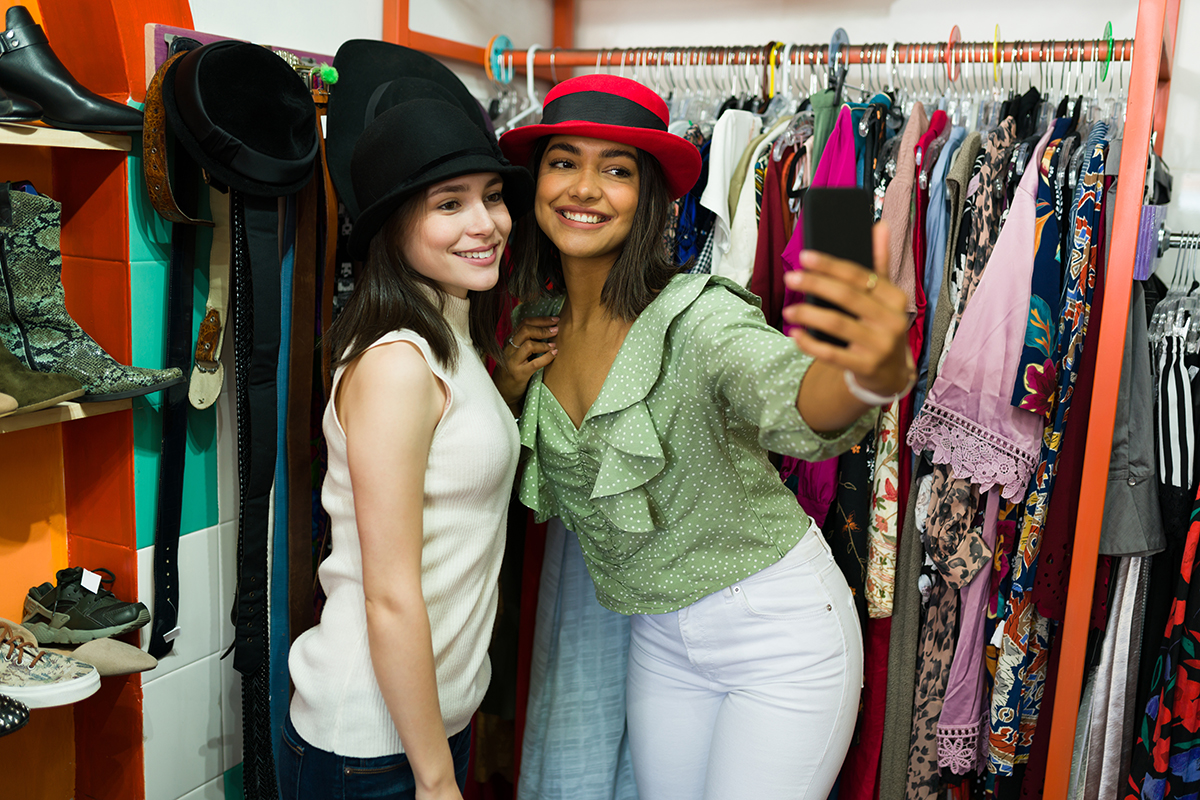
We are tired of being sold to. We are tired of being told what to like. Thrift stores offer something rare: Autonomy.
You choose. You decide. You misjudge. You learn.
Thrift stores do not care if you are cool. They just hand you the evidence and let you figure it out. They do not care if you like something ironically or sincerely. They offer no validation. And to the thrift, the lack of permission is powerful.
You develop taste instead of borrowing it. You learn to trust your own eye and stop waiting for consensus. Trends that start this way last longer than ones born from marketing because they are rooted in genuine interest, not approval.
The Oracle from the Clearance Aisle
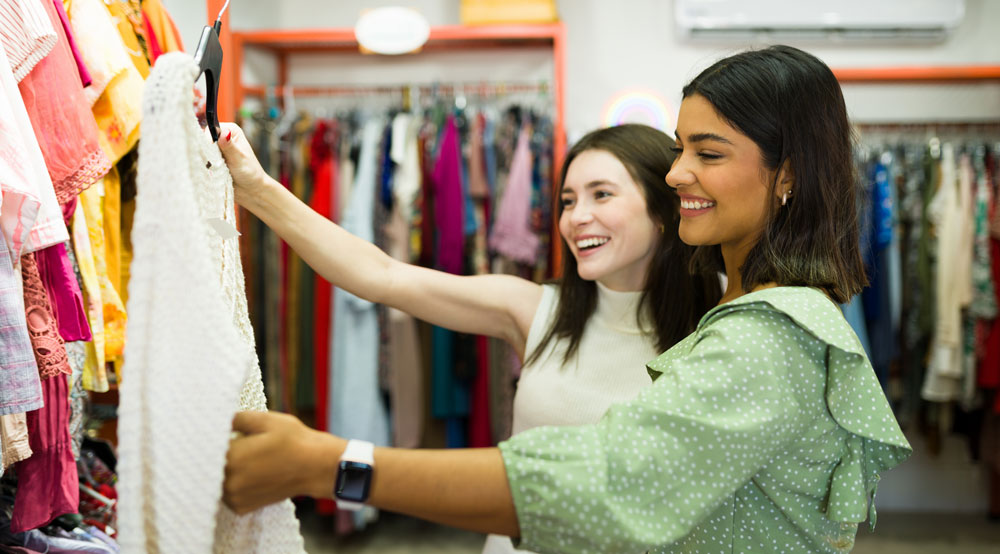
If you want to know what is coming next, stop looking at what is being pushed and start looking at what is being let go.
Trends leave clues. Thrift stores keep their receipts.
They show you the past, the present, and the future tangled together on bent hangers. They show you what failed, what endured, and what is subtly circling back for redemption.
Somewhere between the broken zipper and the perfectly worn-in tee, the future of fashion is waiting. It is not polished, nor is it labeled. It might not even be flattering yet.
And somehow, it knows exactly what you will be wearing this year.
Not sure you're getting the best deals? SellRaze keeps your inventory in sync and helps you track competitive pricing, so you never miss out on a sale. Start optimizing your listings today!