Inspiration vs Identity Theft: Didn’t Need It Until You Saw It Styled on Someone Else
by Joem Castones •February 16, 2026
You didn’t wake up wanting it.
That detail matters more than we admit. You woke up wanting coffee for a day that asked nothing in return. You opened your phone too, because that is what hands do now. Thumb scroll, brain half-on, only for it to break your morning trance.
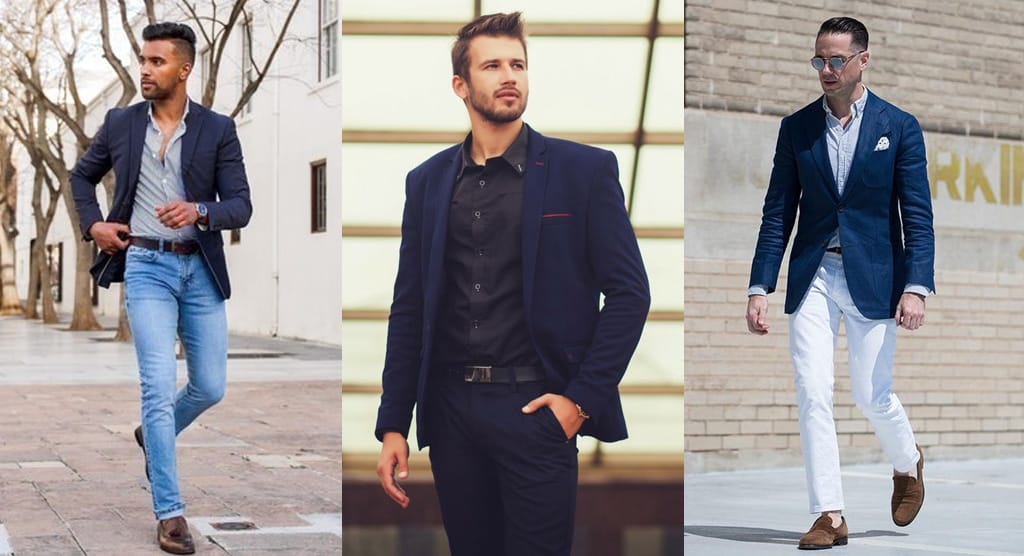
A stranger. An outfit that unlocked something feral inside you. That jacket had the audacity to fit perfectly. Those pants looked broken-in in a way that suggests effortlessness, even though you knew effort was involved.
Five minutes ago, you did not need a cropped jacket. You were alive and functioning without it. Now, you are convinced that without this jacket, or something spiritually adjacent to it, your life will remain unfinished.
This is what we call inspiration. It slides in as appreciation. But this is also how identity theft begins. Not the criminal kind obviously. The softer, more embarrassing kind. The kind where you slowly replace your own tastes with someone else’s and then wonder why nothing you buy feels quite right.
The internet has turned style inspiration into something constant and ambient. We absorb looks faster than we can process why they work. We save posts we never revisit. We screenshot outfits without understanding what actually pulled us in. Everything is blurred in the world of thrifting and secondhand style, where the uniqueness of an item only adds to its urgency. There is only one. Someone else could grab it. Hesitation is failure.
Not to swear off inspiration, which would be unrealistic and utterly joyless. Nobody builds style in isolation. We all borrow. Remix. But learning how to tell the difference between borrowing ideas and borrowing an entire personality you cannot actually maintain is how you save yourself from aesthetic debris.
Because one of those leads to better style. The other leads to a closet full of clothes that seem to belong to someone with a very different lifestyle and tolerance for discomfort.
“I Loved It On Them” Is Not a Reason
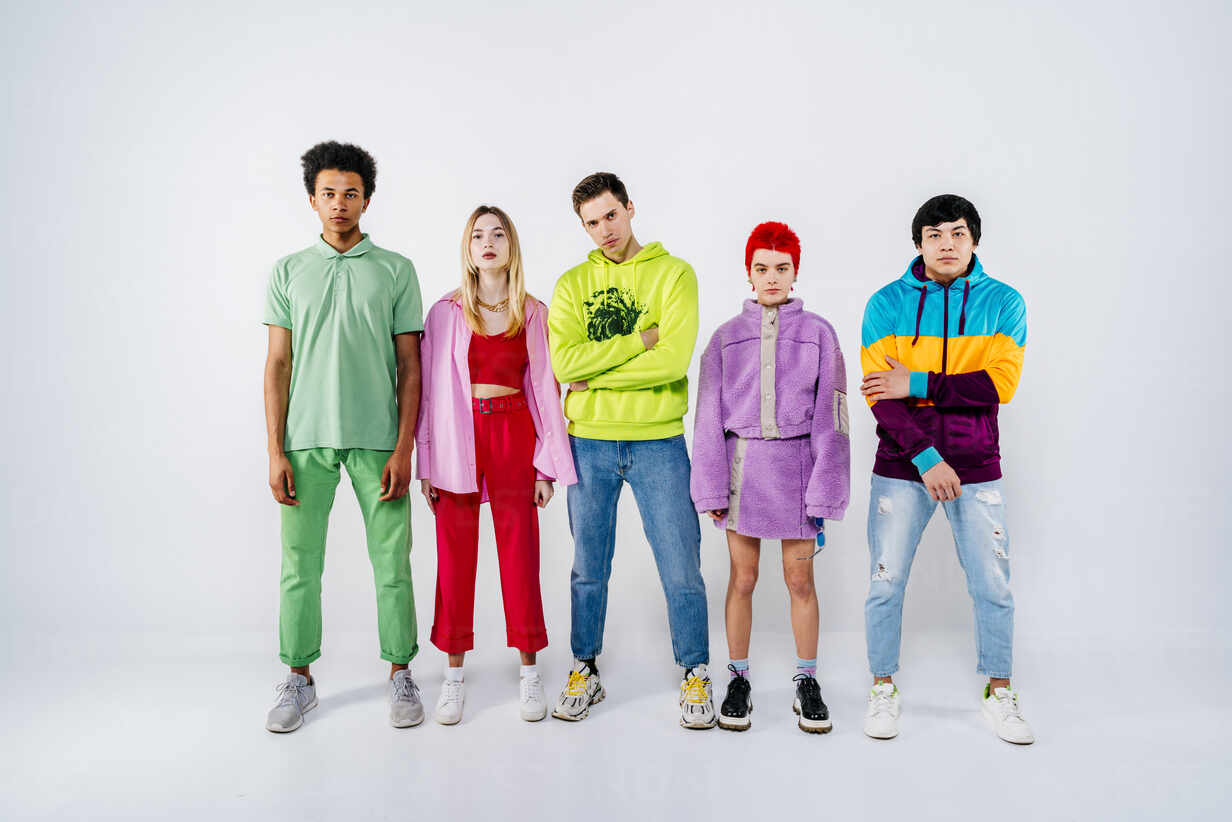
Behold, one of the most dangerous sentences in online shopping.
Because it sounds thoughtful. Harmless, even. Appreciation-based, like you are simply acknowledging good taste in others. But hidden inside it is an assumption that what worked for them will work for you. When people say “I loved it on them,” what they usually mean is “I liked how their life looked in that photo.”
When you see an outfit online, you are not seeing the full picture. You are seeing a carefully selected angle, a specific pose, and a moment chosen for maximum impact. Sometimes, it’s editing that’s doing most of the work. You are not seeing the awkward parts, the compromises and discomfort. You don’t know the outfit after three hours of wear, or the ten other outfits that could’ve made the cut. The weather, the context, or the hours of indecision that happened beforehand.
But your brain fills in those gaps generously. You imagine yourself wearing the same thing and inheriting the same ease. The certainty and sense that everything just works without effort. However, their ease came from familiarity through repetition. From knowing exactly how that item behaves in their life. How it fits when they sit or when they move quickly.
The jacket that’s cool on someone who walks everywhere may feel absurd on someone who drives most places. The layered look that looks casual on someone with predictable weather may be impractical on someone dealing with extremes.
“I loved it on them” ignores all of that context. Buying something purely because you loved it on someone else means you are buying the final impression without the experience that created it. Identity theft occurs and it’s not because you’re copying their outfit, but because you’re copying their assumptions, their schedule, their climate, their tolerance for inconvenience.
Ask yourself, “Does this resemble anything I already wear?” Not just aspire to wear. Actually wear. If the answer is no, then you are not being inspired. You are being recruited into an aesthetic that may not be compatible with your real life.
That does not make you foolish. It makes you human. But it does mean you should pause.
Mood Boards are Aspirational, Your Closet is Not
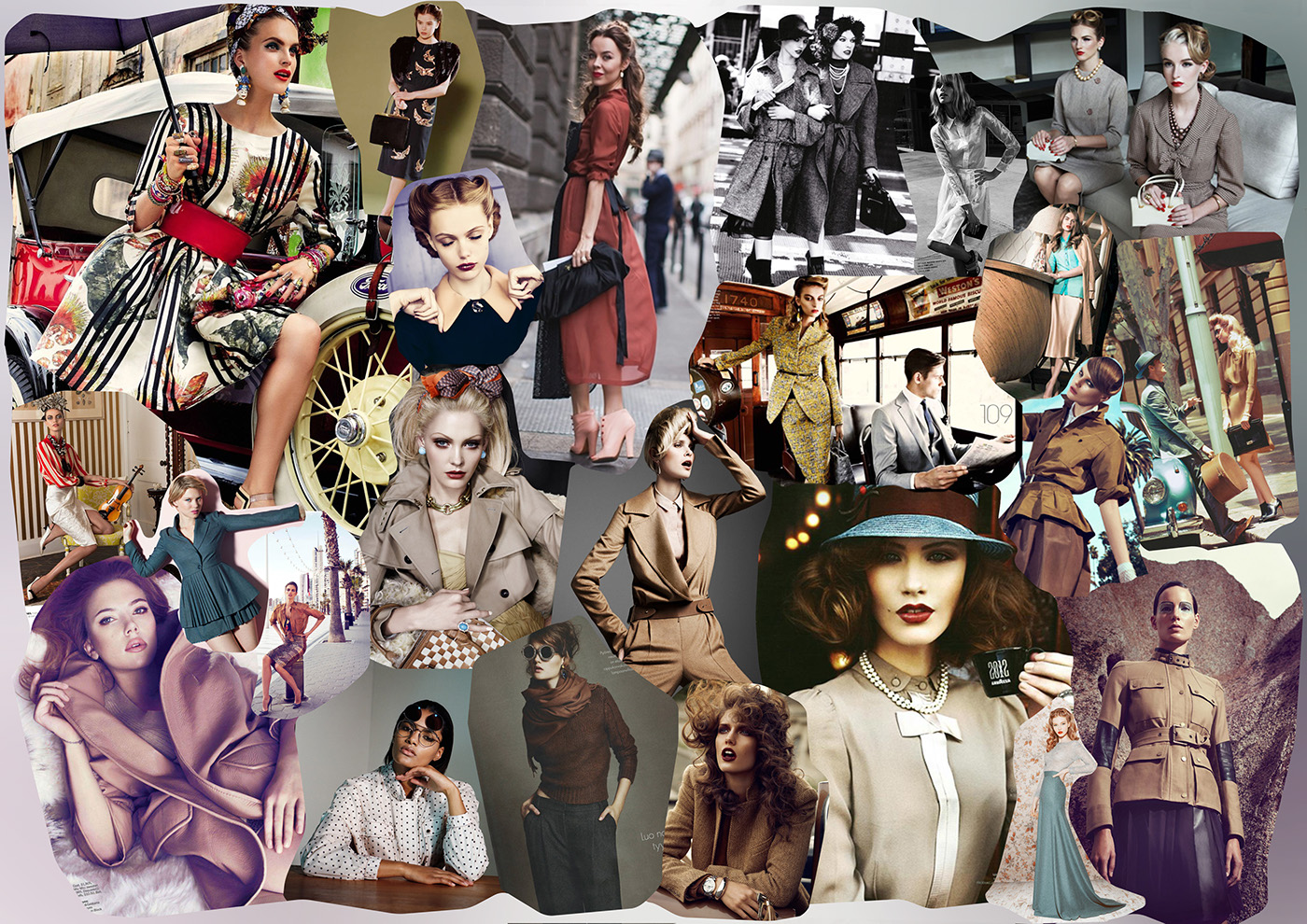
Mood boards lie, the same way vacation photos lie. They show highlights, not reality. It is allowed to contradict itself endlessly. You can pin tailored trousers next to floaty dresses next to outfits that require entirely different personalities. You can imagine yourself as someone who lives in crisp whites and someone who exists exclusively in oversized knits.
Your closet does not have that luxury. After all, it has to function next Tuesday. On rushed mornings or laundry day. On days when you don’t want to start another dumb argument with yourself. People get stuck because they shop for the version of themselves that might exist under slightly different circumstances. If you went out more. If you lived somewhere cooler. If you had more patience.
The internet is full of people who seem to live permanently in that hypothetical version of themselves. But practical style comes from repetition. From noticing what you reach for without thinking. From admitting what you avoid, even if it looks good in theory. Inspiration becomes useful when it helps you refine what you already do, not when it asks you to become someone else entirely.
Your closet, meanwhile, remembers everything. It remembers which pants you never reach for or the fabrics that irritate you. If you want inspiration to actually help you, you have to stop treating it as a shopping list. Instead, treat it like data. Notice the patterns. What repeats across different people and posts. What aligns with what you already own and wear without thinking.
Maybe you consistently gravitate toward the same color palette. Maybe it’s the proportions. Maybe comfort is the throughline, even when the outfit looks polished.
Steal those things. Leave the rest.
How to Borrow Without Losing Yourself

You are not going to stop being influenced. What you can do is slow the process down enough to hear yourself think.
Before buying something inspired by someone else’s style, reflect if you have ever worn something like it before. If you were to buy it now, can you name at least three outfits you would realistically wear it in? And perhaps the most important one to ask: would you still want it if you never saw the original photo again? These questions are not intended to kill the joys of thrifting, but rather to protect it. Because nothing drains joy faster than a closet full of clothes that belong to a person you are not.
Give it time. Just long enough for the initial excitement to fade. If you still want the item after a few days, without the image attached to it, it might belong. But if the desire dissipates the moment you stop scrolling, the perhaps it was never about the item. It was just a feeling.
You are allowed to admire someone else’s style without trying to absorb it whole. You are allowed to be inspired without outsourcing your taste. The best personal style is built from noticing patterns. From repetition that feels natural instead of forced.
When inspiration works, it feels like recognition. You relate. You see something and think it hits close to your lifestyle and experiences.
You were interesting before the jacket. You will be interesting without it.
Not sure you're getting the best deals? SellRaze keeps your inventory in sync and helps you track competitive pricing, so you never miss out on a sale. Start optimizing your listings today!