Goodwill Outlet Flipping: What to Look For and How to Profit
by Joem Castones •September 8, 2026
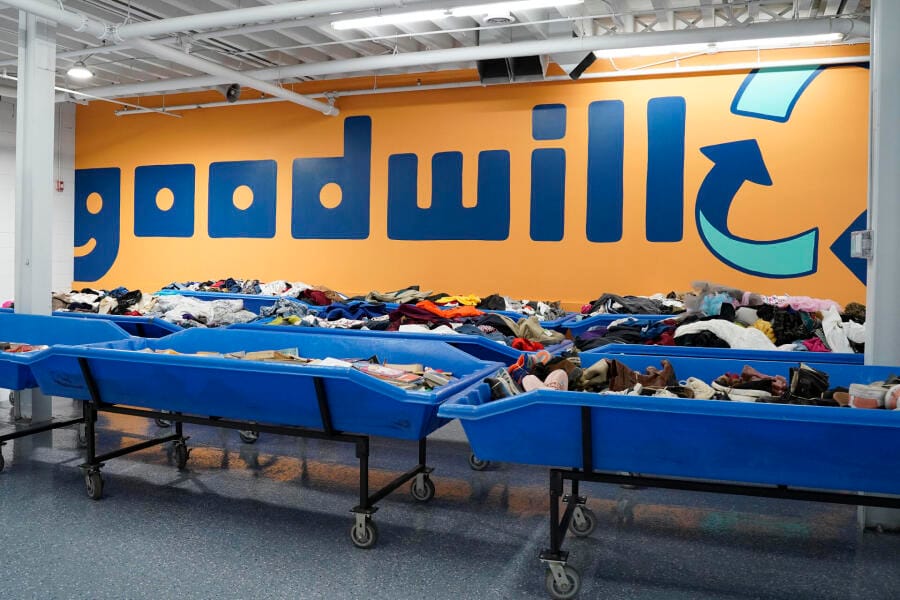
The rows of blue rolling bins stretch out like an indoor salvage yard. The air smells like a mix of old cardboard, laundry detergent, and vintage dust. Every few hours, employees roll out fresh bins from the back, and a crowd of people lines up behind a taped line on the floor, waiting for the signal to dig.
This is the Goodwill Outlet, often called "The Bins."
Unlike regular thrift stores where items are priced individually, everything here is sold by the pound. You pile your finds into a massive shopping cart, wheel it to a giant floor scale, and pay a flat rate that usually drops the more you buy.
Because of this pricing structure, the profit margins can be massive. An item that sells for fifty dollars online might cost you fifty cents here. But the chaotic environment and the sheer volume of junk make it difficult to navigate without a clear plan. Turning a profit requires knowing what to look for, how to inspect items quickly, and how to price them for a fast turnaround.
Understanding the Bins Environment
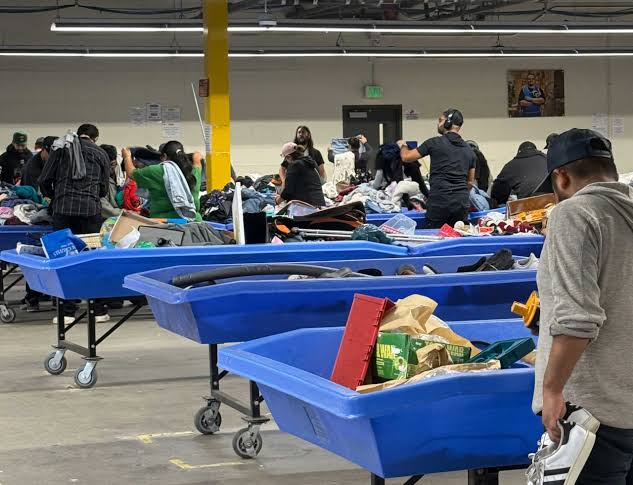
The regular thrift store is built for browsing. The outlet is built for sorting. Items arrive here because they didn't sell at standard retail locations, or because they were processed directly from donation trucks to clear out warehouse space.
You will find tangled cords, single shoes, broken toys, and piles of clothing mixed together. Because items are thrown into bins without being washed or organized, you need to bring a few basic tools.
A pair of durable gloves is non-negotiable. You will be sticking your hands into dark corners of deep bins, and you want protection against broken glass, sharp plastic, or damp fabrics. A small, bright flashlight helps you see into the bottoms of the bins. Finally, make sure your phone is fully charged because you will need to research brands on the fly.
When a new rotation of bins comes out, regular shoppers follow a strict etiquette. You must wait until the bins are locked into place and the employee gives permission to start. Once the boundary is lifted, the sorting begins.
What to Look For: Apparel and Textiles
Clothing is the easiest category to flip from the bins because it weighs very little. If apparel costs two dollars a pound, a lightweight silk shirt might cost you thirty cents.
When sorting through textiles, ignore the fast-fashion brands that dominate modern mall stores. Brands like Shein, Forever 21, and basic Target lines have no resale value because they are already cheap when new. Instead, look for heavy-duty construction, high-quality materials, and vintage tags.
- Vintage Sportswear and Graphic Tees: Look for t-shirts from the 1980s and 1990s. You can identify these by looking for a "single stitch" on the sleeve and bottom hems, rather than the double stitch found on modern shirts. Single-stitch shirts with graphics of old bands, sports teams, movies, or even obscure corporate logos are highly collectible on platforms like eBay and Depop.
- Outdoor Performance Gear: Brands that manufacture durable outdoor clothing hold their value incredibly well. Look for Patagonia, The North Face, Arc'teryx, and REI. Even if these items have minor stains or small tears, outdoor enthusiasts often buy them anyway, or the brands themselves offer lifetime repair warranties that you can utilize.
- Raw Denim and High-End Workwear: Avoid standard mall denim and search for thick, heavy jeans. Look for Carhartt jackets and pants, Levi’s made in the USA (look for a capital "E" on the red tab or a care tag indicating older production), and rugged work brands. Paint splatters and natural wear often increase the value of vintage workwear.
- Pure Fabric Content: Train your fingers to recognize wool, silk, cashmere, and heavy leather. A generic-looking sweater made of 100% merino wool or cashmere is worth listing, even if the brand name is completely unfamiliar to you.
What to Look For: Hard Goods and Media
Hard goods weigh more, which means they cost more to purchase at the outlet scale. However, the resale prices can justify the extra weight if you find the right niches.
- Vintage Electronics: Modern electronics at the bins are usually broken or missing vital components. Vintage electronics, however, were built to last. Look for old cassette players, Walkmans, blank audio cassette tapes (especially chrome or metal bias tapes), VHS players, and vintage video game consoles. Even old audio receivers and turntables from the 1970s and 1980s are worth buying if they power on.
- Discontinued Household Items: People are often fiercely loyal to specific small appliances or kitchen tools that are no longer manufactured. Look for vintage Pyrex bowls, old West Bend crockpots, and older models of salad shooters or food processors. Replacement parts for high-end appliances, like the nesting bowls or dough hooks for a KitchenAid mixer, sell surprisingly well on their own.
- Media and Video Games: While standard DVDs and music CDs are rarely worth the effort, specific media categories are highly profitable. Look for vintage board games from the 1980s and earlier; collectors buy them for missing pieces. Look for video games from any era, including original Xbox, PlayStation 2, and Nintendo titles. Even old computer software on CD-ROM or floppy disk can have a niche market of tech hobbyists.
The Critical Inspection Process

Because you cannot return items purchased at a Goodwill Outlet, every mistake hits your bottom line. You must develop a fast, systematic way to inspect your finds before you head to the registers. Find a quiet corner of the warehouse away from the main bin action to evaluate your cart.
For clothing, lay each item completely flat under good lighting. Check the armpits for discoloration or fabric thinning. Run your hands down the zippers to ensure the teeth align and the slider moves smoothly. Look closely at the cuffs and collars for fraying. Turn the garment inside out to check for structural seam rips.
For electronics, look for a testing station. Most outlets have a power strip near the registers where customers can plug items in. If the item turns on, that eliminates fifty percent of your risk. Open the battery compartments of any remote, toy, or portable device. If you see white, crusty powder, that indicates battery acid leakage. You can clean light corrosion with vinegar, but heavy corrosion usually means the device is dead.
For shoes, look at the soles first. If the tread is smooth or the foam midsole is crumbling, leave them behind. Make sure you actually have a matching pair of the same size; it is common for mismatched shoes to end up in separate bins.
How to Price and Profit
Once you get your haul home, the real work begins. Wash all clothing immediately. Clean up hard goods with microfiber cloths and rubbing alcohol.
To determine your listing price, open the eBay app on your phone, type in the item description or model number, and filter the results by "Sold Items." This shows you the actual prices buyers paid recently, rather than the optimistic prices sellers are asking for.
If an item consistently sells for thirty dollars plus shipping, and you paid one dollar for it by weight, you have a solid winner.
List your items across multiple platforms to maximize exposure. eBay remains the gold standard for electronics, vintage items, and obscure parts. Poshmark and Depop are ideal for trendy clothing, vintage streetwear, and shoes. Mercari works well for toys, small home goods, and mid-tier apparel.
To maintain a profitable flipping business, factor in shipping costs and platform fees. Always weigh your items with their shipping boxes or poly mailers before listing them so you do not underestimate the shipping labels.
The secret to scaling your profits at the bins is speed. Because your cost goods are low, you do not need to wait months to get top dollar for every single piece. Price your items competitively to clear them out quickly, reinvest your earnings into your next sourcing trip, and keep your inventory moving.
If you're selling across multiple platforms, managing listings on each one individually gets overwhelming fast. SellRaze lets you create listings with AI and crosslist across all your favorite marketplaces in seconds. It is well worth checking out if you want to save time, avoid manual data entry, and sell more inventory across the web.
Start optimizing your listings today!