Depop vs Mercari: Which is Better for Reselling in 2026?
by Joem Castones •March 18, 2026

If you’re deciding between Depop and Mercari, you’re not alone. While both platforms are popular choices for reselling clothes and secondhand goods, the vibe and strategy required for each are worlds apart. Depop functions like a fashion-forward social media feed, leaning heavily into curated aesthetics, vintage streetwear, and Gen Z buyers. In contrast, Mercari is a broad-utility marketplace built for convenience, a broader age range, and diverse categories ranging from electronics to home decor.
Whether you are looking to build a curated brand for trendy teens or just want a fast, no-fuss way to clear out your garage, understanding these demographic and genre shifts is key to choosing your primary platform.
Here’s a full breakdown to help you pick the right one—or decide if you should use both.
At a Glance
|
Depop |
Mercari |
|
|---|---|---|
|
Founded |
2011 |
2013 |
|
Active users |
56.3 million |
23 million |
|
Seller fees |
Payment Proc. (3.3% + $0.45) |
10% (Processing payment included) |
|
Best for |
Vintage, Y2K, streetwear |
Basics, electronics, household items |
|
Target audience |
Gen Z and fashionistas |
Bargain hunters and casuals |
|
Shipping |
Seller-chosen or Depop Label |
Mercari labels or own |
|
Payout speed |
2 days after delivery |
Within 3 days of delivery |
Fees

The financial landscape of these platforms shifted dramatically in the last two years. Depop took a bold leap in 2024 by removing its 10% seller commission for US and UK sellers, moving that cost to the buyer. Meanwhile, Mercari, after a brief experiment with zero seller fees, reintroduced a flat 10% commission in early 2025 to stabilize its marketplace.
- No seller fee
- 3.3% + $0.45 payment processing
- 10% seller fee + buyer-paid shipping
- Payment processing included
On Depop, while the commission is gone, you still pay a Payment Processing Fee (3.3% + $0.45 for US-based sellers). It’s also worth noting that many sellers opt to “Boost” their listings for an 8% fee to stay visible in the competitive fashion feed.
On Mercari, the 10% fee is all-inclusive of payment processing, making the math simpler but taking a larger chunk of your gross sale. Also, Mercari's fee is calculated on the total transaction, including the shipping cost if the buyer pays for it.
Let’s look at a $50 sale.
Depop:
$50 → minus processing (~$2.10)
Take-home $47.90
Mercari:
$50 → minus 10% of $6.99 buyer-paid shipping ($0.70) → minus 10% ($5)
Take-home $44.30
Winner: Depop — by eliminating the base commission, Depop currently offers the highest profit margins for sellers in the US.
Audience & Buyer Demographics

Depop is the undisputed capital of Gen Z and young Millennials. About 90% of its active users are under the age of 26. These buyers value the vibe of curated aesthetics like Y2K, "Coquette," or vintage streetwear. Photography and branding matter in Depop, often following their favorite sellers like they would an Instagram influencer. Compared to apps like Mercari, items don’t need search demand if they look interesting enough.
Mercari attracts a much broader, multi-generational demographic. The typical Mercari buyer is a value-seeker rather than a trend-chaser. They are often parents looking for specific toy brands or tech enthusiasts looking for a deal on a used iPad. The vibe of your photo matters significantly less than a competitive price and a clear description of the item’s condition.
Winner: Tie — use Depop if you want to reach Gen Z trendsetters and Mercari if you want to reach a broader audience.
Selling Experience

Selling on Depop is akin to posting on Instagram. On Depop, you aren't just a seller; you are a content creator. To get views, your photos need to be aesthetic. Think stylized flat lays or modeled shots with trendy backdrops. The app encourages social interaction, and you’ll spend time following other users, liking items, and refreshing your listings to stay at the top of the feed. It’s a labor-intensive process, but it allows you to build a loyal following that will buy from you repeatedly regardless of what you list.
Mercari is built for pure efficiency. Their listing tool is arguably the fastest in the industry, auto-populating details based on just a few photos. Unlike apps like Depop, there is zero social fluff. No following, no feed-refreshing, and no need for professional-grade photography. Mercari also features an automated smart pricing tool that gradually lowers your price to keep the listing hot in search results without you having to lift a finger.
Winner: Mercari — for the average person just wanting to move inventory quickly, Mercari’s friction-free listing process is superior.
What Sells Best

Because Depop functions like a social media feed, buyers are shopping for things like vintage 90s streetwear, Y2K pieces, and reworked apparel. If you have one-of-a-kind fashion items, Depop is where you will get the highest price. Brands like Nike, Levi’s, and Carhartt are perennial favorites, but niche designer labels and handmade jewelry also thrive here because the audience values individuality over mass-market convenience.
Mercari operates on the opposite end of the spectrum, favoring utility, brand recognition, and household names. While fashion is a major category, it is often outperformed by small electronics, toys, and collectibles. On Mercari, items sell best when they are recognizable, priced competitively, and solve a specific need for the buyer, whether that's a replacement part for a kitchen appliance or a missing piece for a Funko Pop collection.
Winner: Tie — it depends entirely on your inventory. Depop wins for style, Mercari wins for utility.
Seller Support & Protection

Depop relies on a more open-ended protection policy. If a buyer claims an item isn't as described, they can open a dispute through Depop Payments or PayPal (if used). This process can sometimes feel slow, as it often requires back-and-forth emails with support. While Depop protects you against unauthorized chargebacks if you have valid tracking, the resolution window can stay open for weeks, leaving your funds in limbo.
Mercari, by contrast, is famous for its 3-day rating window, which is a massive safety net for sellers. Once an item is delivered, the buyer has exactly 72 hours to inspect it and leave a rating. Once they rate you, or if the three days pass without a word, the sale is officially final. There are no returns and no refunds after that point. This finality is one of Mercari's biggest selling points, as it prevents buyers from trying to return a used item three weeks later.
Winner: Mercari — the 3-day finality provides much better peace of mind against long-term return scammers.
Payout Speed
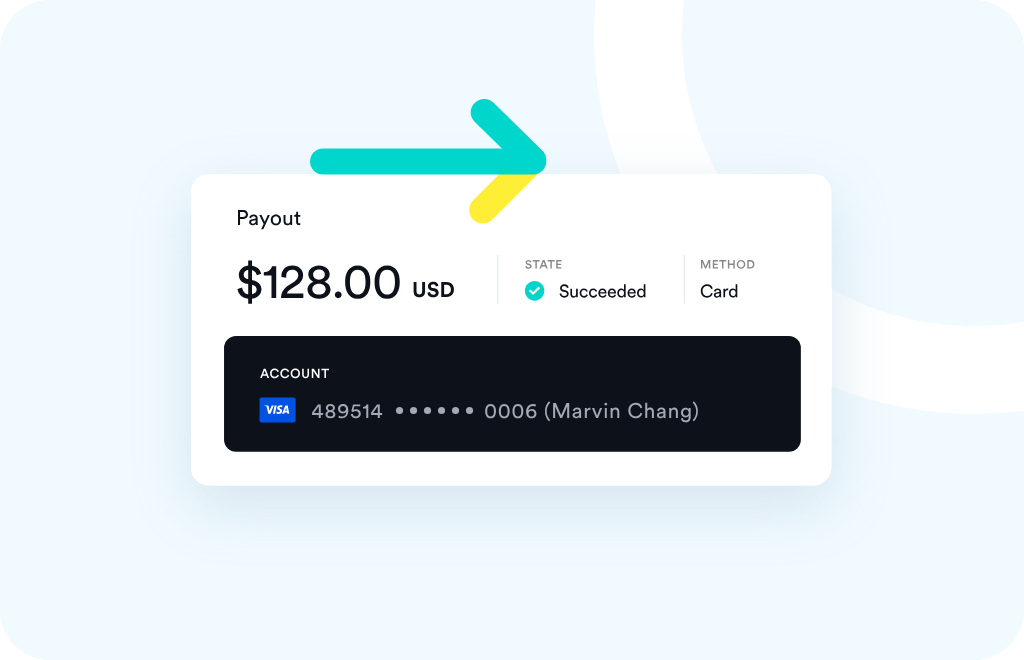
Once a buyer purchases from you via Depop Payments the money goes straight to your balance, which you can see in the Payments section of your Selling Hub in app. If you use to “Ship with USPS” via Depop, or manually add tracking information to your item, your payout will be sent to your bank account 2 working days after the in-app tracking updates to ‘Delivered.’ If tracking ‘details aren’t provided, your payout will be sent 10 working days after the sale date (Monday to Friday and excluding bank holidays).
Mercari’s system is strictly tied to the successful completion of the transaction. You won't see a dime of your balance until the buyer receives the item and leaves a rating (or the 3-day window expires). Once those funds are released to your Mercari Balance, you have two choices: a Standard Direct Deposit, which is free but takes 1–5 business days, or Instant Pay. For a small $3 fee, Instant Pay allows you to cash out up to $600 per month to a linked debit card in minutes. This makes Mercari the superior choice for sellers who occasionally need emergency cash fast.
Winner: Mercari — while Depop is great for steady bank transfers, Mercari’s Instant Pay option is a literal lifesaver for sellers who need immediate access to their cash once a sale is finalized.
Mercari vs Depop: The Verdict
Depop is the better choice if you are selling curated vintage, trendy streetwear, or unique fashion and want to build a brand as a seller with high profit margins. With 0% seller commission, it is currently the most profitable platform for US-based fashion resellers.
Choose Mercari if you want a hassle-free and streamlined mobile-first marketplace built for speed, simplicity, and a final sale policy. Its 3-day rating rule and Instant Pay features make it the king of convenience and seller peace of mind.
But honestly? Most serious sellers use both. Different items perform better on different platforms, and cross listing maximizes your chances of a sale.
If you're selling on both Depop and Mercari, SellRaze makes it easy to sync your inventory across both platforms instantly. With our one-click crosslist tool, you can import your Depop closet and move it to Mercari in seconds. No need to create separate listings.