Vinted vs Poshmark: Which Is Better for Reselling in 2026?
by Joem Castones •May 27, 2026

The resale landscape in 2026 has transformed into a high-stakes digital economy, forcing sellers to choose between the social-selling powerhouse of Poshmark and the high-volume, fee-free surge of Vinted.
Poshmark remains the go-to for contemporary brands and boutique experiences, offering streamlined shipping in exchange for its consistent 20% commission. While it demands more professional precision and daily engagement than ever before, its robust community and high-end buyer base continue to justify the premium cost for many established resellers. In contrast, Vinted has revolutionized the market by letting sellers pocket 100% of their asking price, shifting transaction fees entirely to the buyer. It has become the premier engine for fast-moving mall brands and bargain hunters who prioritize speed over style.
To help you decide which platform wins your business this year, we’re breaking down the fees, tools, and 2026 sales data.
At a Glance
|
Feature |
Vinted |
Poshmark |
|---|---|---|
|
Founded |
2008 |
2011 |
|
Active users |
75 million |
130 million |
|
Seller fees |
None |
20% for sales over $15, $2.95 under |
|
Best for |
Volume sellers, everyday items |
Mid-to-high end brands |
|
Target audience |
Gen Z and Millennials |
Millennials and broad mainstream |
|
Shipping |
Prepaid labels or own |
Platform label |
|
Payout speed |
Within 2 days of delivery |
Within 3 days of delivery |
Fees
Vinted has completely flipped the script by offering a zero-seller-fee model. Instead of taking a cut from your earnings, Vinted charges the buyer a Buyer Protection Fee of 5% of the item price plus a flat $0.70. This means the price you list is exactly what you pocket.
Poshmark keeps it simple but pricey. They take a flat 20% commission on sales over $15 and $2.95 for anything under. This covers credit card processing and the social marketing the app provides.
- $0 seller fee
- 0% commission
- Payment processing included
- $2.95 under $15
- 20% above $15
- Payment processing included
Let’s run a realistic $50 sale.
Vinted:
$50 → minus $0 fees
Take-home $50
Poshmark:
$50 → minus 20% ($10)
Take-home $40
While Vinted looks better on paper, the buyer pays more at checkout, which can sometimes make it harder to move higher-priced luxury items compared to Poshmark’s established big spender audience.
Winner: Vinted — Vinted is the winner for pure profit because its zero-fee model allows sellers to pocket 100% of their asking price
Audience & Buyer Demographics

Vinted operates like a massive, fast-paced global thrift market where the primary driver is the hunt for a bargain. Its audience is significantly younger—dominating the Gen Z market across Europe and increasingly the U.S.—and is less concerned with closet aesthetics than they are with low prices. Vinted buyers are typically looking for everyday mall brands like Zara, H&M, or Shein, and they expect a quick, no-frills transaction. The demographic here is extremely price-sensitive; since they are the ones paying the protection fees and shipping, they hunt for the absolute lowest sticker price possible.
Poshmark, conversely, is the digital equivalent of a high-end social boutique, catering primarily to a demographic that values brand names, community engagement, and a curated shopping experience. Its user base is heavily concentrated in North America and leans toward Millennials and Gen X buyers who are looking for specific contemporary labels like Lululemon, Anthropologie, or Free People. Because Poshmark encourages social selling—sharing closets and attending virtual posh parties—buyers here are often willing to pay a premium for a stylized presentation and the assurance of a reliable, middle-to-upper-class marketplace.
Winner: Poshmark — its older, more affluent buyer base has a higher willingness to pay, allowing sellers to maintain higher profit margins on mid-to-high-end items that might be overlooked by Vinted’s bargain hunters.
Selling Experience
Vinted prioritizes a casual experience, designed for users who want to clear out their closets with minimal effort. The listing process is lightning-fast and mobile-first, and the platform has integrated advanced AI tools that can transform a simple flat-lay photo into a professional worn look on a virtual mannequin in seconds. Shipping on Vinted is flexible but requires more hands-on attention, as sellers must often navigate several different carrier options chosen by the buyer. While it lacks the deep business analytics of its competitors, Vinted’s list-and-leave style is perfect for those who want to avoid the constant social maintenance of sharing and community engagement.
The Poshmark experience is heavily social. To get eyes on your listings, you need to share your closet frequently and participate in Posh Parties. Poshmark is slower than apps like Vinted, but the trade-off is visibility through interaction. While a Vinted post might bury itself in search results after a few days, Poshmark allows you to bump your item to the top manually through sharing. That said, manual maintenance can be a grueling time-sink for high-volume sellers.
Winner: Poshmark — more predictable selling mechanics.
What Sells Best

Vinted is the ultimate volume engine for everyday essentials and high-street favorites. The platform has solidified its position as the go-to for mall brands like Zara, H&M, and Nike, where the goal is high turnover rather than high individual profit. It is also uniquely dominant in the bundle market; parents frequently use Vinted to move entire sets of baby and children’s clothing from brands like Next or Boden in a single transaction. Beyond apparel, Vinted has seen a massive surge in small home décor, unopened beauty products, and Y2K-era vintage, as its search-heavy algorithm rewards specific keywords and trendy TikTok-core aesthetics over brand prestige.
Poshmark is built for the investment piece and the mid-to-high-end contemporary label. The buyers here are intentionally searching for BOLO (Be On The Lookout) brands with high resale value, such as Lululemon, Free People, and Anthropologie, or luxury names like Louis Vuitton and Gucci. Poshmark remains the best platform for selling quiet luxury staples—think neutral tones and premium fabrics from brands like COS or Jenni Kayne—because its audience is willing to pay more for a curated, authenticated experience. Unlike the fast-fashion flip seen on Vinted, Poshmark rewards sellers who stock reliable, durable inventory that retains 40–70% of its original retail price.
Winner: Vinted — its zero-fee model and high-velocity algorithm make it the superior platform for moving the widest variety of items—from budget basics to trendy vintage—with much faster turnover than apps like Poshmark.
Seller Support & Protection
Vinted operates on a strict escrow system that is heavily automated, designed for high-speed, low-touch transactions. Because Vinted charges the buyer a Buyer Protection Fee rather than taxing the seller, their support focus is naturally buyer-centric. Once an item is delivered, the buyer has a narrow 48-hour window to confirm everything is okay; if they don't, or if they click ‘I have an issue,’ the funds are held. In 2026, Vinted remains a ‘buyer-pays-for-returns’ platform by default, which can discourage frivolous disputes. However, if a buyer claims an item is counterfeit or significantly not as described, sellers may find the resolution process frustratingly bot-driven and difficult to appeal.
Poshmark offers a more robust protection suite known as Posh Protect, which acts as a comprehensive mediator for every sale. For high-ticket items over $500, Poshmark’s Posh Authenticate service provides an extra layer of security by physically inspecting the item before it ever reaches the buyer, virtually eliminating ‘item not as described’ fraud for luxury goods. Poshmark has also introduced ‘Worry-Free Returns,’ an optional buyer-paid add-on that allows for returns due to fit or change of mind without impacting the seller’s earnings or rating. This creates a buffer where the platform handles the headache, leaving the seller’s profit untouched.
Winner: Poshmark — its hands-on mediation, luxury authentication services, and third-party return insurance provide a professional safety net that Vinted’s automated escrow system simply cannot match.
Payout Speed
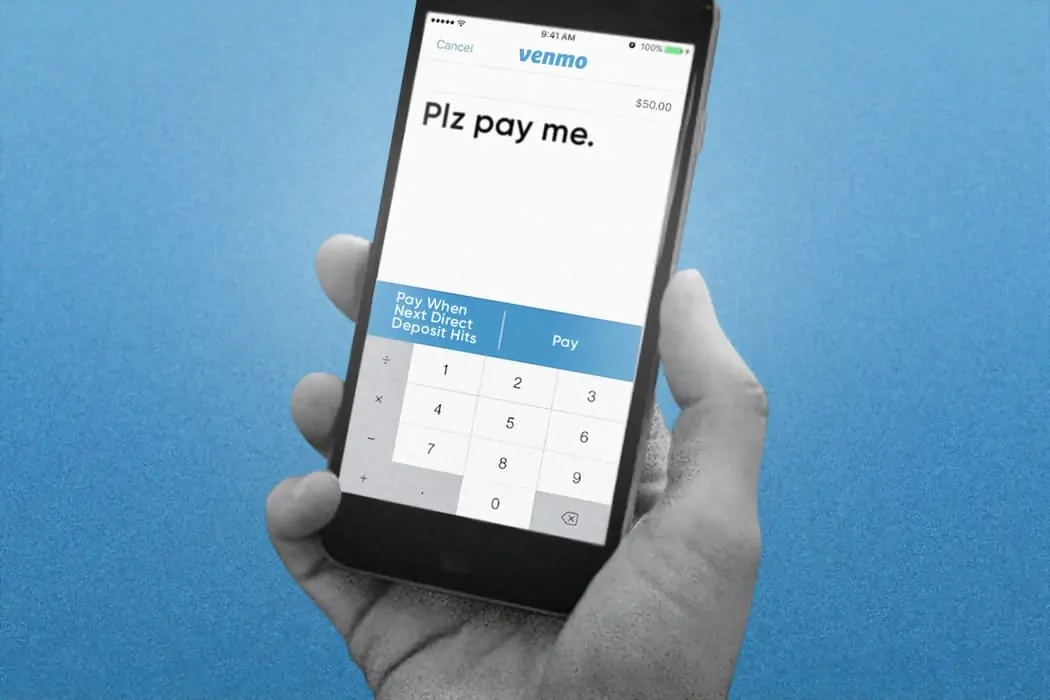
Vinted operates on a standard escrow system where funds are released to your Vinted wallet once the buyer confirms ‘everything is okay’ or 48 hours after delivery. While the release to your wallet is relatively quick, the final step, transferring that balance to your bank, typically takes an additional 1 to 5 business days depending on your financial institution. Vinted has streamlined this with Vinted Pay, which offers slightly faster internal processing, but it remains a wait-and-see platform where your cash is tied up until the buyer manually clicks a button or the clock runs out.
Poshmark follows a similar three-day hold period after delivery to allow for buyer inspection, but it wins on the sheer variety and speed of withdrawal options. Once your funds are released, you can choose between a standard bank transfer or Instant Transfer to a debit card, which often lands in your account within 30 minutes for a small fee. Additionally, Poshmark offers integrations with Venmo and PayPal, giving sellers immediate access to their earnings through the apps they already use daily for other expenses.
Winner: Poshmark — the certainty of knowing exactly when your funds will be released after delivery makes it more predictable for cash flow.
Poshmark vs Vinted: The Verdict
The choice between Vinted and Poshmark comes down to whether you are clearing a closet or building a business.
Vinted is the winner for the casual seller and high-volume flipper. Its zero-fee model is unbeatable for maximizing raw profit on everyday items, mall brands, and children's clothing. If you want to list an item quickly, forget about it, and keep every penny of the sale price once it's gone, Vinted’s frictionless environment is your best bet. It’s the ultimate low-maintenance platform where the bottom line is king.
Poshmark is the winner for the professional reseller and brand builder. Despite the 20% commission, Poshmark provides a suite of tools, from live shows and bulk listing to luxury authentication and no-weight shipping, that Vinted simply doesn't offer. If you are selling high-end contemporary labels or investment pieces, Poshmark’s affluent buyer base and robust seller protections justify the higher cost of entry. It is a platform built for those who want to turn reselling into a scalable, protected enterprise.
But honestly? Most serious sellers use both. Different items perform better on different platforms, and cross listing maximizes your chances of a sale.
If you're selling on both Vinted and Poshmark, SellRaze makes it easy to sync your inventory across both platforms instantly. With our one-click crosslist tool, you can import your Poshmark closet and move it to Vinted in seconds. No need to create separate listings.