Your Item Is Great. Nobody Can Find It. Here's the Fix.
by Eric Emmanuel Corrales •August 5, 2026

Here's a frustrating truth about Depop that most sellers learn the hard way: having the right item isn't enough. You can source a genuinely great piece—on-trend, good condition, fairly priced—and still watch it sit for weeks because nobody scrolling Depop ever sees it. Depop's algorithm and search system reward specific, discoverable listings. Vague ones disappear into a feed with millions of competing posts.
This guide covers the best items to sell on Depop in 2026 through a slightly different lens than most—not just what to source, but how to make sure what you source actually gets found. The category data and the discoverability mechanics are two halves of the same problem, and most guides only cover one of them.
Why Discoverability Matters as Much as the Item Itself
Depop has over 30 million users searching constantly for specific styles, brands, and aesthetics. With that much competition, the gap between a listing that gets found and one that doesn't is almost entirely about how well it's tagged, titled, and categorized—not just what's actually in the photo.
Items tagged with relevant, well-chosen hashtags have been shown to sell up to 25% faster than untagged listings, and strategic hashtag use can increase a shop's overall reach by a meaningful margin. That's a significant gap for something that costs nothing and takes thirty seconds per listing.
This matters because it changes how you should think about "best items to sell on Depop." It's not just a list of trending categories—it's categories plus the specific language buyers use to search for them. Sourcing the right item without using the right words to describe it is half a strategy.
The 2026 Trend Landscape: What's Actually Moving
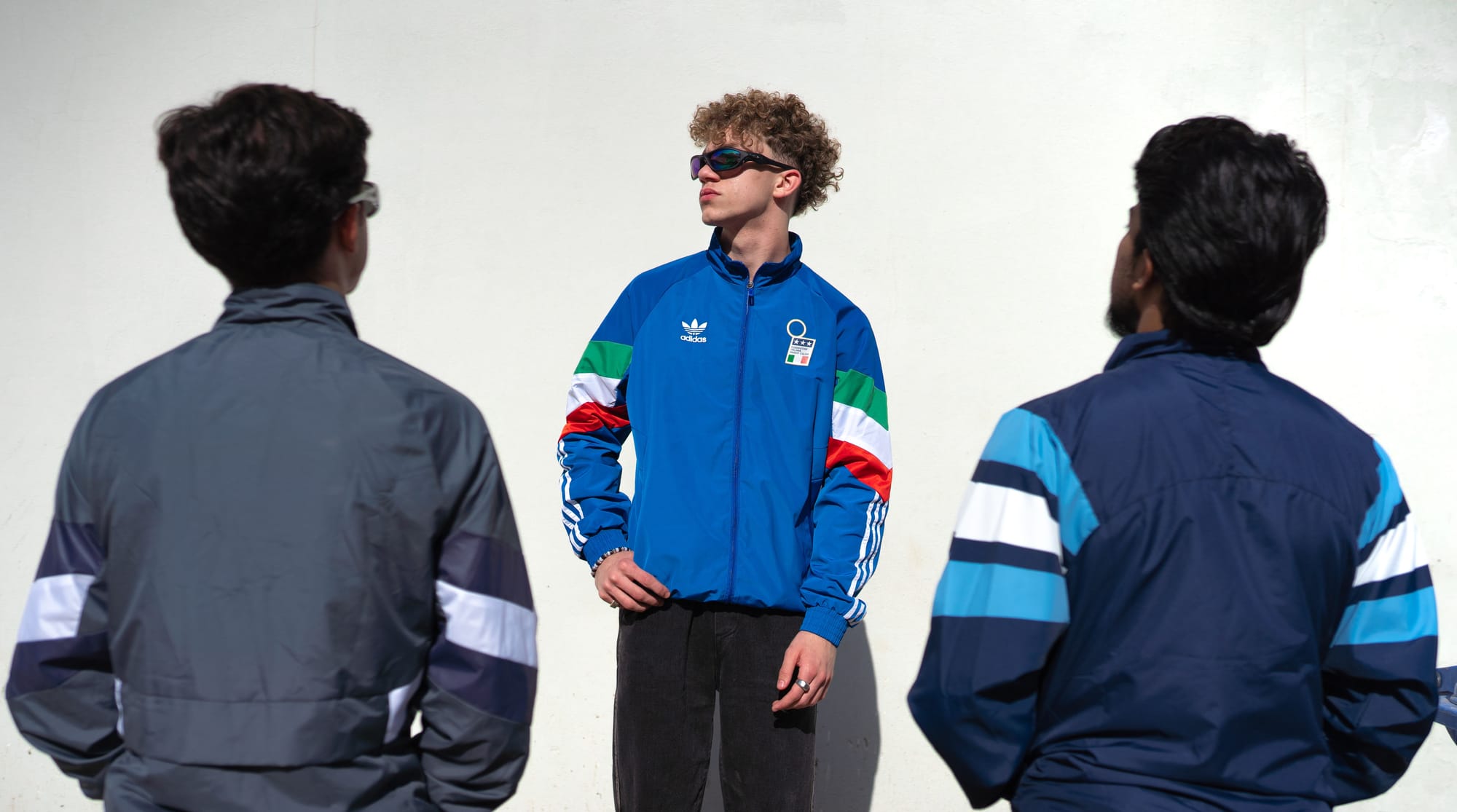
Depop's apparel category accounts for roughly 60% of the platform's total transaction volume, and within that, a few clear trend clusters are driving most of the activity in 2026.
Minimalist Renaissance: The Highest-Margin Opportunity
This is the standout recommendation for 2026 sourcing. The "Minimalist Renaissance"—quiet luxury, cashmere knits, tailored staples, neutral palettes—shows the strongest growth trajectory of any category, with COS search interest up 360% and Phoebe Philo-related searches up 200%. This aligns with what Depop is calling "The Edited Self," a cultural shift toward buying fewer, better things rather than chasing fast trends.
The financial case is clear: cashmere typically sells for $60–$120 on resale depending on brand, and this category offers higher profit margins per item compared to saturated sportswear categories. For sourcing, structured blazers, cable-knit sweaters, and pleated skirts in this aesthetic are explicitly recommended—look for Arket, Uniqlo (at the accessible end), and archival or designer pieces at the high end.
The hashtag strategy here matters specifically: optimize listings with "Quiet Luxury" and "Academia" tags rather than generic terms like #sweater or #cashmere, which compete against millions of unrelated listings.
Retro Sportswear: Mature, Active, Crowded
Vintage athletic wear—repurposed jerseys, windbreakers, tracksuits—remains a consistent top-selling category on Depop, driven partly by "Blokecore" aesthetics and the cultural energy around the 2026 World Cup. The search data is striking: Adidas searches up 168%, Champion up 242%, and Onitsuka Tiger footwear up 120%.
The caveat that separates this category from Minimalist Renaissance: it's described as a mature, highly active, but extremely saturated market. Standard vintage pieces sell in the $30–$80 range, with rare archival sports pieces exceeding $200—but competition for common items like Nike hoodies is intense. The sellers who win here have unique or rare pieces, not generic ones, and use sports-specific hashtags like #blokecore alongside influencer-style "outfit of the day" post formats rather than plain product photography.
Neo Nostalgia and Indie Vanguard
A modern revival of early-2000s indie sleaze—MySpace and Tumblr-era aesthetics channeling DIY fashion and youth rebellion. Band tees, faux fur coats, ripped tights, trench coats, and combat boots define this category. It thrives on storytelling descriptions and aesthetic-specific hashtags like #indievanguard, #indiesleaze, and #y2kgrunge.
The trust factor matters more here than in most categories: vintage item condition transparency is critical to avoid returns, since buyers in this aesthetic space are particular about authenticity and era-accuracy.
Y2K: Still the Reigning Top Category
Y2K remains, by Depop's own data, the single top-selling category on the platform. It functions as both a literal vintage category (actual early-2000s pieces) and a style category (modern reproductions of the aesthetic). Baguette bags, baby tees, halter tops, pleated mini-skirts, velour tracksuits, and lace camisoles are the core pieces driving this category's volume.
For sourcing, the era-specific details matter: low rises, flares, rhinestones, pastel colors, and crochet details all signal authenticity to buyers who know exactly what they're looking for.
The Hashtag Strategy That Actually Works
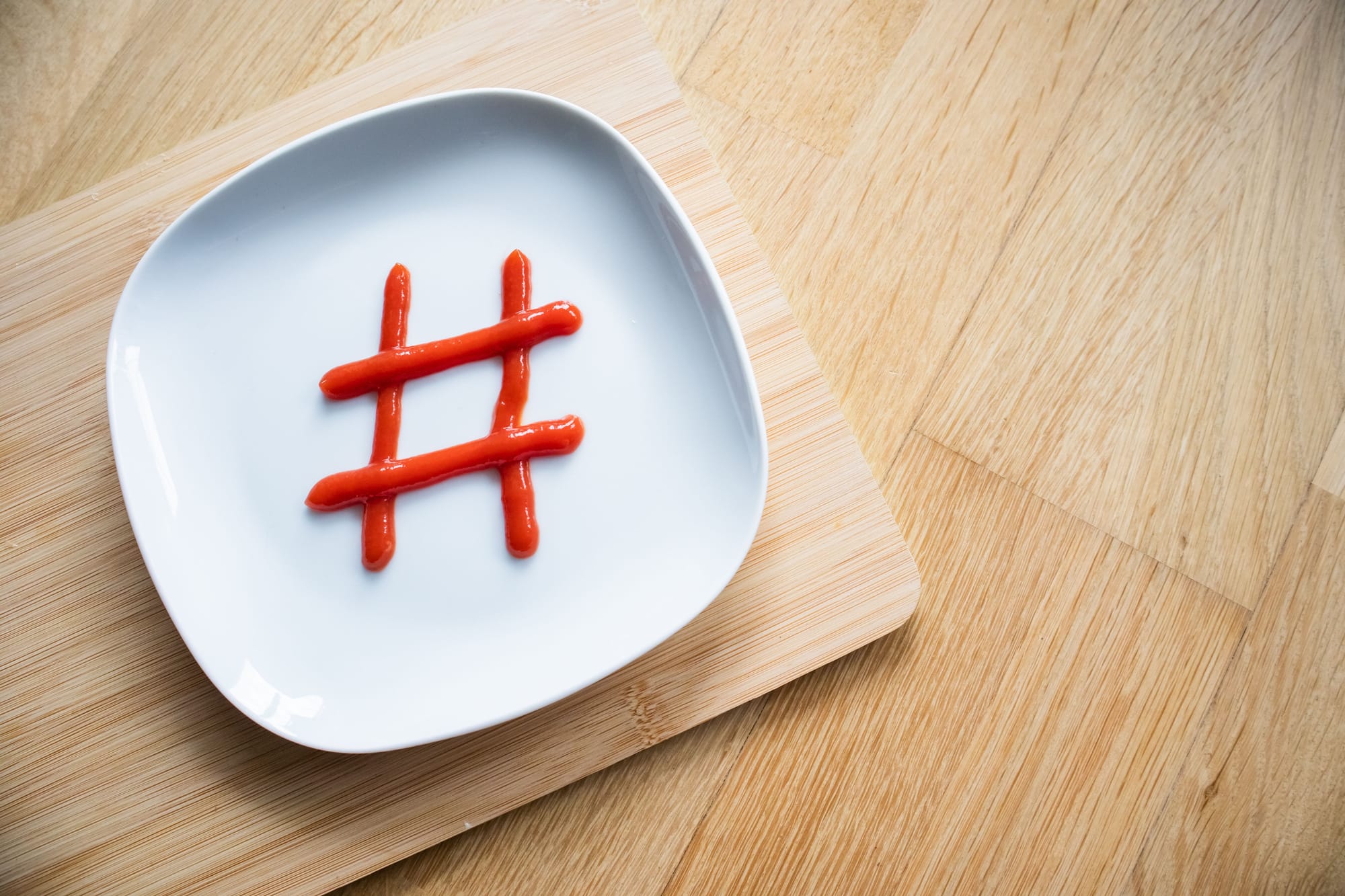
Knowing the best items to sell on Depop is only useful if your listings get discovered. Depop caps listings at 5 hashtags, which means every tag needs to earn its place.
Avoid generic single-word tags. A tag like #vintage or #jeans competes against millions of other listings and rarely surfaces your specific item to the right buyer. These tags are too broad to do useful work.
Pair era with category. Tags that combine a specific era descriptor with an item category—"90swindbreaker," "y2ktop," "70sjeans"—target buyers who already know the aesthetic they want. This kind of specific pairing consistently outperforms a lone generic tag.
Use full brand names, including variations. Buyers search by brand directly. For vintage items, pairing the brand with "vintage"—#nikevintage, #levisvintage—captures buyers specifically looking for older pieces from that brand rather than current releases.
Balance your five tags across categories. A well-optimized tag set for a vintage Ralph Lauren polo might include one brand tag, one era tag, one style tag, and two category tags—not five variations on the same theme. Covering different search angles within your five-tag limit maximizes the chance of matching however a specific buyer is searching.
Refresh tags periodically. If a listing isn't getting engagement, updating hashtags every few days—or when a trend shifts—can meaningfully improve visibility without requiring any change to the actual item or photos.
For sellers building out their hashtag approach by style category, best Depop hashtags covers the current trending tag sets across designer, streetwear, vintage, Y2K, and OOAK categories in more depth.
Beyond Hashtags: Category and Gender Selection
Hashtags get the attention, but Depop's own category and style filters do significant work that sellers often overlook. Choosing precise terms—"Jackets & Coats" rather than the broader "Tops"—helps your item surface when buyers filter by specific subcategories. Gender selection (Menswear vs. Womenswear) similarly determines whether your item appears in filtered searches buyers are actively using.
This matters because Depop reads your category and style selections to understand what you're selling and where to display it—independent of whatever hashtags you've added. A perfectly tagged listing in the wrong category still underperforms.
Titles, Descriptions, and the Search Algorithm
Titles carry more ranking weight than hashtags on Depop, which means the best items to sell on Depop need titles that work as hard as the tags do. A specific, detailed title—brand, era, item type, size, color—does more for discoverability than a vague one ever will, regardless of how good your hashtags are.
The practical approach most experienced sellers use: write a clear description first, covering brand, condition, material, fit, and measurements, then add hashtags afterward, either woven into the description naturally or grouped at the end as a short block. This keeps the listing readable for human buyers while still making the key terms searchable.
A note on brand mentions specifically: limiting brand name mentions to two or fewer across your entire description and tags helps avoid spam detection, which can otherwise suppress a listing's visibility.
What This Means for Sourcing Decisions
Understanding the discoverability mechanics changes how you should think about sourcing the best items to sell on Depop. An item that fits a clearly named, currently trending aesthetic—Minimalist Renaissance, Y2K, Indie Vanguard, Retro Sportswear—is inherently easier to make discoverable because the vocabulary buyers use to search for it already exists and is active.
An item that doesn't fit a recognizable category—generic basics, off-brand pieces, items without a clear aesthetic identity—is much harder to make discoverable no matter how skillfully you tag it, because there's no active search vocabulary connecting buyers to that type of item in the first place.
This is the practical lesson underneath all the trend data: source for searchability, not just for quality or margin. An item a buyer can actually find and recognize as what they're looking for will outperform a technically nicer item that doesn't fit any active search pattern.
How This Connects to the Broader Depop Strategy
Selling well on Depop isn't only about sourcing and tagging—the operational side matters too. For sellers managing the full process, how to ship on Depop covers the logistics once an item sells, and Depop fees covers what you'll actually take home after a sale closes.
For sellers weighing Depop against other platforms for specific inventory types, Depop vs eBay, Vinted vs Depop, and Depop vs Mercari each cover how Depop's aesthetic-driven discovery model compares to more search-driven or fee-driven alternatives—useful context for deciding where specific categories of inventory actually belong.
For sellers earlier in the process who want a broader walkthrough of building a Depop presence as a seller, becoming a Depop seller covers account setup and foundational selling mechanics.
For a wider view of what's worth sourcing and flipping across categories beyond just Depop, things to flip for profit covers high-margin categories with broader platform context.
Making the Best Items on Depop Actually Findable
The best items to sell on Depop in 2026—Minimalist Renaissance knitwear, Y2K staples, retro sportswear, Indie Vanguard pieces—are only valuable if buyers can actually find them among millions of competing listings. Sourcing the right category is half the equation. Tagging it specifically, categorizing it accurately, and titling it with searchable detail is the other half.
Sellers who treat hashtags and categorization as an afterthought consistently underperform sellers who treat discoverability as part of the sourcing decision itself. The item and the findability of the item are not separate problems—they're the same problem, solved together.
If you're managing Depop listings alongside other platforms and want the tagging and cross-listing side to take less time, SellRaze is worth exploring. Built to simplify the operational side of multi-platform reselling.