

Picking the wrong platform to sell collectibles is one of the most reliable ways to leave money on the table. A graded PSA 10 Pokémon card on Facebook Marketplace will sell for a fraction of what it would command on eBay or StockX, where buyers know exactly what they're looking at and what it's worth. A rare vintage ceramic on eBay might generate a bidding war from three collectors—or sit unseen for three months because the right niche buyers weren't there. The best places to sell collectibles aren't universal. They're specific to the item, the buyer community, and the price point.
This guide covers the best places to sell collectibles in 2026—by category and price tier—with real fees, honest assessments of each platform's buyer pool, and guidance on how to route your specific inventory to the right destination.
Why Platform Fit Matters More for Collectibles Than Almost Any Other Category
Most reselling categories tolerate platform mismatch reasonably well. A pair of Levi's listed on the wrong platform might sell slower, but it'll probably sell eventually. Collectibles are different. The buyer for a specific item—a 1952 Topps Mickey Mantle, a vintage Pyrex Spring Blossom mixing bowl set, a first printing of a key comic issue—is a specialized buyer who shops on specific platforms and uses specific search terms. If your listing isn't on those platforms, that buyer isn't finding it regardless of how well it's written or how accurate the price.
The best reselling websites across categories have different buyer communities, and for collectibles specifically, the buyer community match is often determinative. This is the reason the best places to sell collectibles is a more nuanced question than it appears—the answer depends on what you're selling more than on which platform is generally "best."
The Best Places to Sell Collectibles by Category

eBay: The Default and Still the Strongest for Most
eBay remains the largest general marketplace for collectibles in 2026, with 132 million active buyers worldwide. Its strength across collectibles comes from three structural advantages: a massive buyer pool that includes active collectors across virtually every category, search-driven discovery that connects specific keyword searches to specific listings, and an auction format that lets the market determine price when comparables are limited.
eBay works particularly well for collectibles in the $50–$5,000 range—branded cards, coins, sports memorabilia, vintage toys, vintage electronics, and similar items where buyers search by specific terms (player name, card year, coin grade, toy model) and competitive bidding surfaces true market value. For genuinely rare items in this range, the auction format consistently outperforms fixed-price listing because multiple motivated bidders push the price higher than any single-seller estimate would set it.
eBay fees for most collectibles: approximately 13.25% of the total sale amount (dropping to ~8% for authenticated trading cards), plus $0.30 per order. The platform's Authenticity Guarantee covers trading cards over $10—which adds a trust layer that supports higher sale prices from buyers who otherwise wouldn't commit to a remote purchase of a high-value item.
The limitation: eBay is the best places to sell collectibles for volume and reach, but not always the highest-price destination for truly specialized items. A coin expert on Great Collections or a card specialist on PWCC knows the market for their specific category better than eBay's general buyer pool does.
StockX: For Graded Cards, Sealed Collectibles, and Streetwear Collectibles
StockX has built a serious trading cards and sealed collectibles category alongside its core sneaker and streetwear market. Its bid/ask model creates transparent market pricing—buyers see exactly what similar items have sold for, and sellers list Asks against active Bids. The authentication that happens on every transaction eliminates buyer skepticism about authenticity, which is particularly important for high-value graded cards and sealed products.
Fees on StockX run 9–13% depending on seller level, plus $13–16 in authentication shipping. For graded Pokémon cards and sealed vintage products specifically, StockX's authentication premium supports prices that often exceed eBay's for the same item—because the buyer is paying partly for the trust the authentication provides.
PWCC Marketplace and Goldin Auctions—For High-Value Sports and Trading Cards
For graded sports cards and high-value trading cards above $500, specialized auction platforms consistently outperform general marketplaces. PWCC Marketplace charges 10% seller fees and runs weekly auction events with strong liquidity for PSA 10 modern cards. Goldin Auctions also charges 10% and excels for cards in the $1,000+ range, where its collector audience and live auction format generate competitive bidding that maximizes sale price.
Heritage Auctions handles the six-figure end of the card market—T206 Wagners, high-grade vintage superstars—with fees of 10–15%. For anything near that value tier, a specialist auction house consistently outperforms eBay's buy-it-now format because the right buyer pool is more concentrated and better informed.
Whatnot: For Cards, Comics, and Toys via Live Selling
Whatnot is a live-selling platform where sellers go on camera and auction items in real time. It's one of the best places to sell collectibles in the trading cards, comics, toys, and sports memorabilia categories specifically—because the live format creates urgency and social engagement that static listings don't.
Fees run 4–8% depending on category, plus 2.9% + $0.30 payment processing—lower than eBay for most collectible categories. The catch is format: you need to be comfortable on camera, consistent with your schedule, and patient about building a viewer audience before sales volume picks up. For sellers with the right inventory and the willingness to engage with the live format, Whatnot is one of the highest-energy selling channels available for collectibles.
Ruby Lane: For Fine Antiques, Art Glass, Porcelain, and Fine Jewelry
Ruby Lane is a curated marketplace specifically for high-end antiques and collectibles—art glass, porcelain, fine jewelry, silver, vintage clothing, and decorative arts. Its buyer base is educated, serious, and specifically looking for quality pieces with knowledgeable descriptions.
The fee structure is different from general marketplaces: $54/month shop fee plus a 6.7% service fee on sales. The monthly shop fee makes Ruby Lane most appropriate for sellers who list regularly and maintain an active shop rather than occasional sellers with one or two pieces.
Ruby Lane's strength is that its buyers are pre-qualified in a way general marketplace buyers aren't. A serious collector who shops on Ruby Lane is already expecting to pay prices that reflect genuine quality and rarity. That buyer profile supports higher prices for the right items than a general platform would.
Discogs: For Vinyl Records and Music Memorabilia
Discogs is the definitive marketplace for vinyl records, CDs, and music-related collectibles. Its dedicated buyer community of music enthusiasts and collectors makes it one of the best places to sell collectibles in this category specifically—buyers are knowledgeable, price-aware, and specifically searching for what you have.
Fees run approximately 8% of the sale price (scaling down slightly with higher seller account levels). For vinyl records specifically, Discogs beats eBay on price realization for most items because the buyer community is deeper and better informed. A collector who knows exactly which pressing they want will pay more than a general eBay buyer guessing at condition.
Etsy: For Vintage Decorative Items and Collectible Crafts
Etsy has a strong collectibles presence in the vintage decorative category—retro kitchenware, vintage ceramics, antique jewelry, folk art, and similar items that appeal to buyers who think of themselves as vintage shoppers rather than collectors in the traditional sense.
Fees: $0.20 per listing plus 6.5% transaction fee on the sale price including shipping, plus 3% + $0.25 payment processing. Etsy's audience is aesthetics-driven rather than category-expertise-driven—which makes it one of the best places to sell collectibles for visually appealing vintage items, and less effective for highly specialized collector categories like graded cards or rare coins.
Facebook Marketplace and Craigslist: For Local High-Value or Bulky Items
For collectibles that are difficult or expensive to ship—vintage furniture, large sculptures, arcade machines, oversized advertising pieces—Facebook Marketplace and Craigslist's local buyer pools are genuinely the best places to sell collectibles in this size tier. No fees for in-person transactions and buyers who can inspect in person before purchasing.
The limitation is buyer pool depth—specialized collectors aren't always local, which means rare items that command national market prices won't reach their highest bidder through local channels. For items where shipping is impractical, local is the right call. For items where the right buyer is anywhere in the country, national platforms produce better prices.
Platform Comparison for Collectibles Sellers
Platform | Best For | Seller Fee | Buyer Pool |
|---|---|---|---|
eBay | Most collectible categories, $50–$5,000 range | ~13.25% (8% for cards $150+) | 132M active buyers globally |
StockX | Graded cards, sealed collectibles, streetwear | 9–13% + $13–16 shipping | Authenticated, trust-focused buyers |
PWCC Marketplace | PSA 10 modern cards, graded sports cards | 10% | Specialized card collectors |
Goldin Auctions | Cards $1,000+, vintage sports | 10% | Serious collector audience |
Whatnot | Cards, comics, toys (live auction) | 4–8% + processing | Live viewer community |
Ruby Lane | Fine antiques, art glass, fine jewelry | $54/mo + 6.7% | Educated, pre-qualified collectors |
Discogs | Vinyl records, music memorabilia | ~8% | Dedicated music collectors |
Etsy | Vintage decorative, antique jewelry | $0.20 + 6.5% + processing | Aesthetics-driven vintage buyers |
Facebook Marketplace | Large/local items, in-person sales | 0% local / 10% shipped | Local buyers |
The Case for Selling Collectibles Across Multiple Platforms
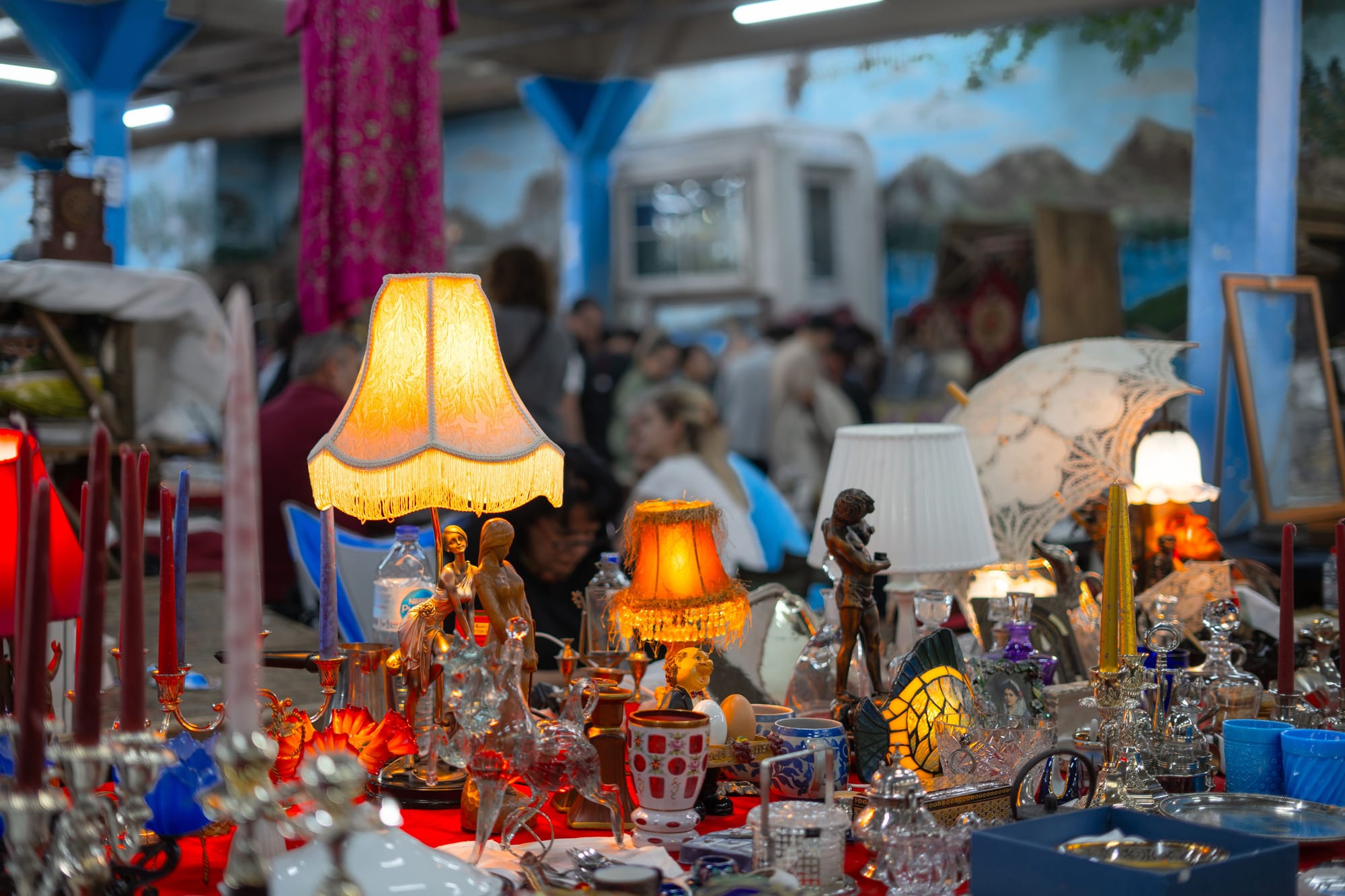
The best places to sell collectibles aren't always a single destination. For sellers with diverse collectible inventory—cards in one category, vintage ceramics in another, a few pieces of vintage clothing—different items belong on different platforms. A graded card goes to eBay or StockX. A vintage Pyrex set goes to eBay or Etsy. A first-edition book goes to eBay or AbeBooks. A vinyl record goes to Discogs.
Managing multiple marketplace listings across these channels simultaneously requires a system—not just for which platform each item goes to, but for tracking what's listed where, delisting when something sells, and keeping inventory status accurate across all channels. Inventory sync for resellers is the mechanism that makes multi-platform collectible selling viable rather than chaotic.
For collectibles sellers growing into higher volume—buying collections to break and resell piece by piece—buying more to sell more covers how bulk acquisition changes the economics and what systems need to be in place before scale creates operational problems.
What the Best Places to Sell Collectibles Have in Common
Across every category—cards, antiques, vinyl, vintage toys, comic books—the platforms that consistently produce the strongest results for collectible sellers share a few traits:
Buyer community depth. The best places to sell collectibles are where collectors in your specific category already shop. Not where the most people are generally, but where the people who know what your item is worth go specifically.
Authentication infrastructure. For high-value collectibles, buyer trust depends on authentication. Platforms that verify condition, grade, and authenticity—eBay's Authenticity Guarantee, StockX's authentication, PWCC's grading verification—support higher prices because they remove the uncertainty that otherwise suppresses buyer willingness to pay.
Price transparency. The best places to sell collectibles surface what comparable items have actually sold for—making pricing research fast and pricing decisions accurate. Wide open platform, narrow list of winners applies directly: not every platform produces winning results for collectibles, and the ones that do are the ones with the right combination of buyer depth and price history visibility.
Where to Start

For most collectible sellers starting out or expanding their platform mix, eBay is the right first platform—the buyer pool is deepest, the auction format handles rare items well, and the price history data through sold listings makes research fast. From there, adding a category-specific platform (Discogs for vinyl, StockX for cards, Ruby Lane for fine antiques) layers on the specialized buyer communities that general platforms don't fully replicate.
For sellers where to sell clothes online alongside collectibles, the platform mix expands further—fashion platforms like Depop and Poshmark for vintage clothing collectibles, eBay for branded vintage, and collectible-specific platforms for the non-clothing inventory.
The best places to sell collectibles are the ones where your specific buyers are. Work backward from buyer community to platform, not forward from platform reputation to assumption.
If you're managing collectible listings across eBay, StockX, Discogs, and other platforms simultaneously, SellRaze is worth exploring. Cross-listing, auto-delisting, and inventory tracking across platforms in one place—so the right item reaches the right buyer without the operational overhead of managing each platform separately. Start your free trial—no credit card required.