
Trading Cards to Resell in 2026
by Joem Castones •September 21, 2026
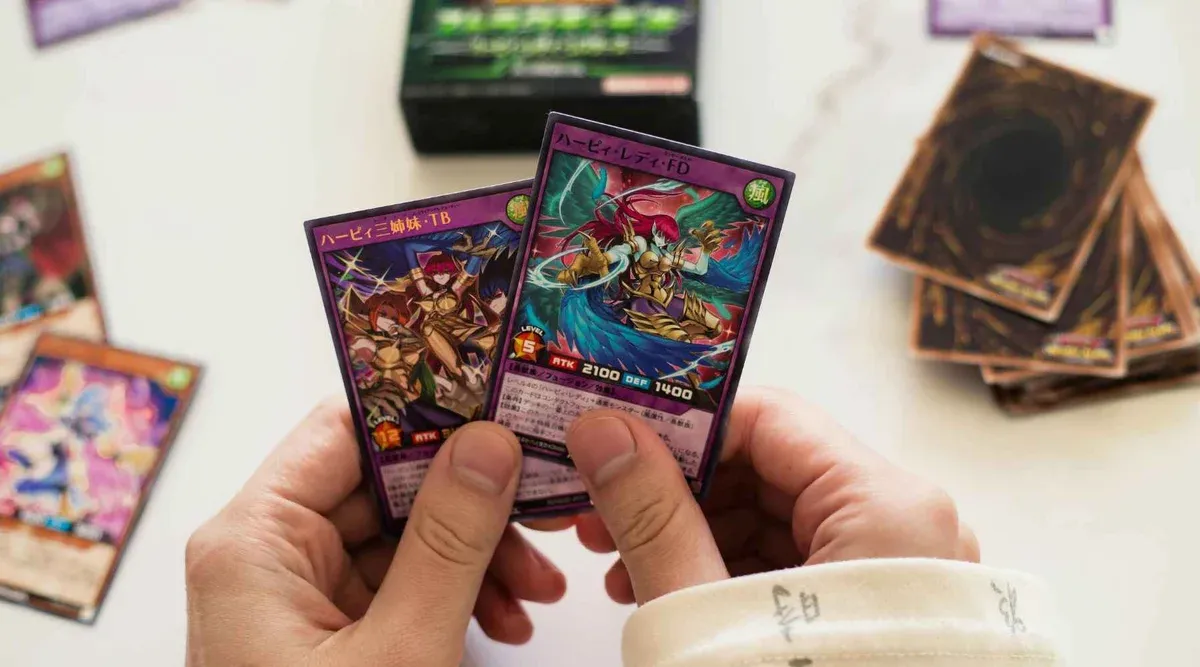
The flipping market moves fast, and entering the trading card scene right now requires a clear look at what is actually selling. Speculating on unproven sets or buying random boxes at big-box retailers rarely ends well. Success in this business relies on data, liquidity, and knowing which communities have the money to back up their hobbies.
If you want to allocate capital into trading cards with the intention of selling them for a profit this year, a few specific categories are showing the strongest margins and highest transaction volumes.
The Pokémon TCG Mainstays and Special Sets
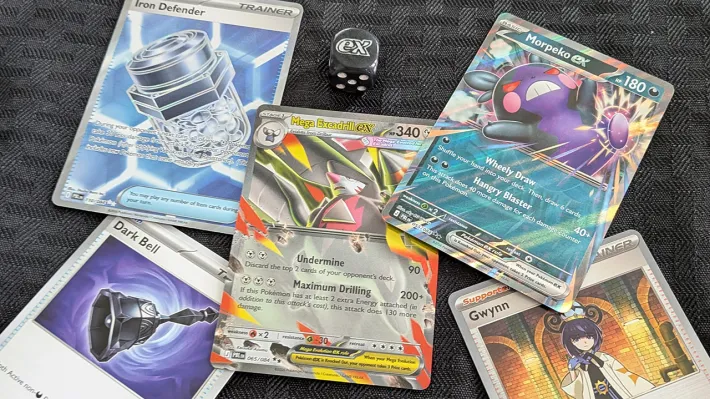
The Pokémon market is currently experiencing high transaction volume, with indicators showing substantial year-over-year growth. The strategy here has shifted away from holding common cards and moved toward targeting high-demand singles from specific special releases.
Special sets like Prismatic Evolutions are driving the current market. The secret rares and alternate-art variants from this set, particularly the Eeveelutions like Umbreon ex, are commanding premium prices. Pull rates for these cards are notoriously low, which keeps the raw card prices stable and creates an opportunity for a high return if you manage to secure a high grade.
To make money here, buy raw copies of these high-tier chase cards from local players or online marketplaces, inspect them for centering and surface flaws, and submit them to grading companies. The price difference between a raw card and a gem-mint graded copy remains wide enough to cover grading fees and leave a healthy profit margin. If you prefer a lower-risk approach, purchasing sealed booster boxes of these special sets and holding them for twelve to eighteen months remains a reliable way to pick up a twenty to thirty percent return as supply dries up.
Sports Cards: Scouting the Rookie Classes and Proven Stars
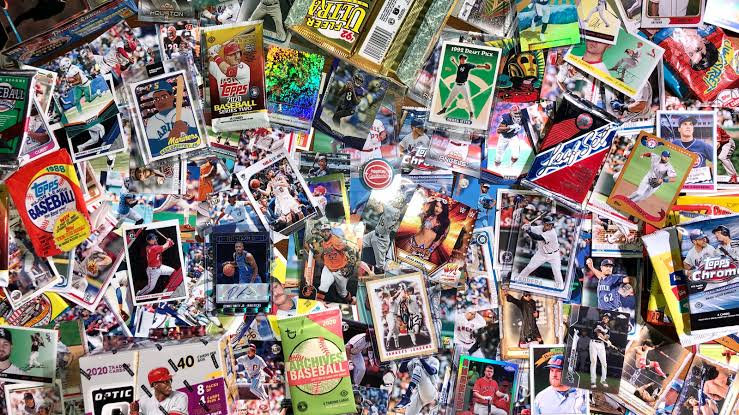
The modern sports card market is heavily dependent on individual player performance and product tiering. If you are flipping basketball, baseball, or football cards, the most predictable margins are found in two distinct areas: high-end modern rookies and vintage blue-chips.
For modern basketball, look to the newest rookie sets, specifically targeting early flagship releases like Topps Basketball. The presence of high-profile rookies like Cooper Flagg has brought massive retail and hobby interest back to licensed basketball products. When reselling modern sports cards, stick to Chromium products such as Panini Prizm or Topps Chrome. Base paper cards have almost no secondary market value, but silver refractors, numbered parallels, and autograph variations are highly liquid.
In baseball, the focus is on Topps Series 1 and Series 2. Instead of buying expensive hobby boxes where the odds are stacked against you, many resellers are finding success with retail-exclusive formats like the Super Box. These provide a predictable mix of parallels at a lower entry cost, allowing you to break the boxes down and sell the individual singles on eBay immediately during the release week hype.
If you want stability, vintage sports cards are outperforming modern speculative cards. A 1952 Topps Mickey Mantle or a 1986 Fleer Michael Jordan rookie card will never lose its core audience. Buying lower-grade vintage cards, such as a PSA 3 or PSA 4, and selling them to collectors who want the card for historical value rather than condition is a consistent, low-stress flipping strategy.
One Piece TCG: The Global Synchronization Boom
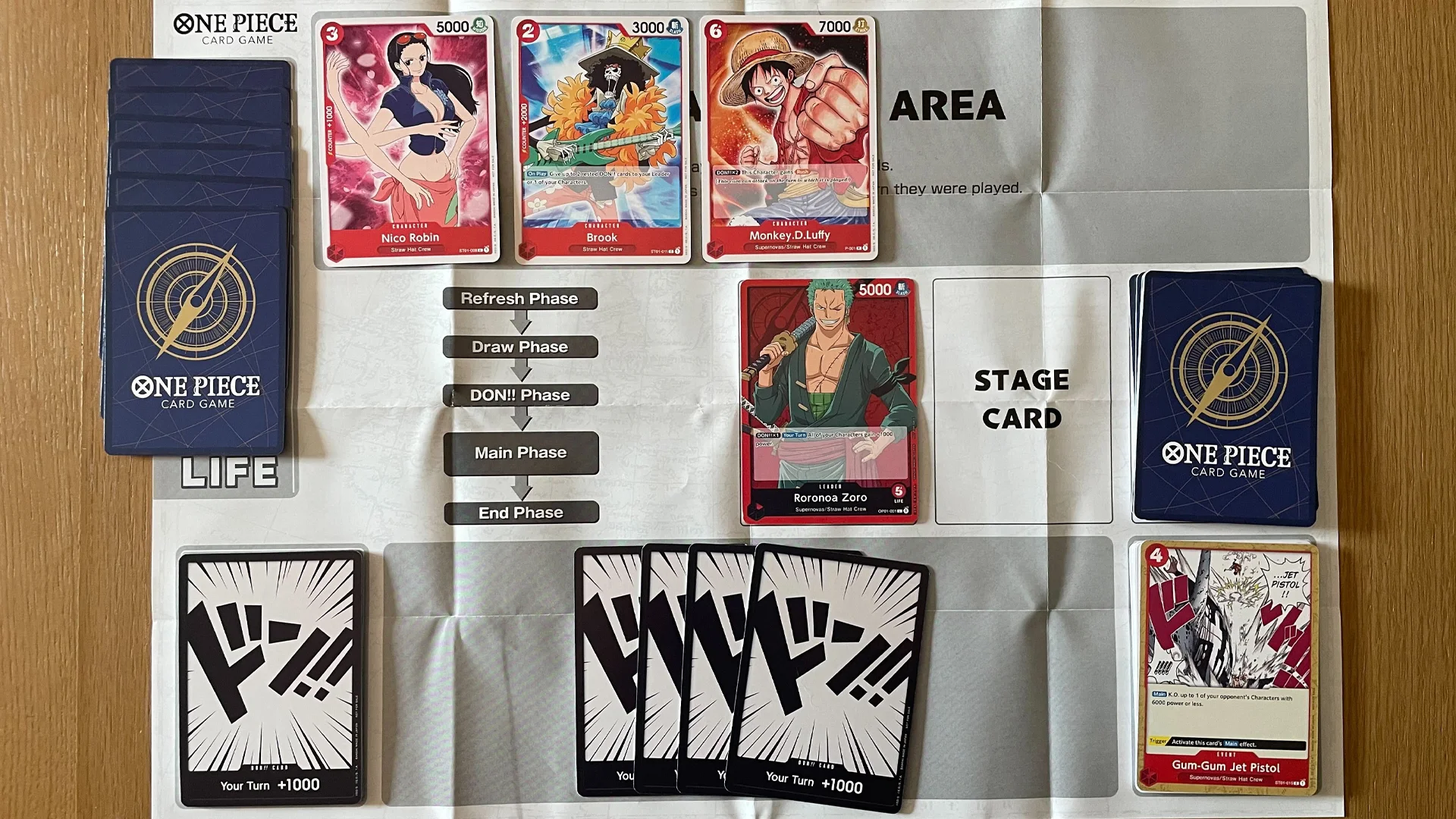
The One Piece Card Game has established itself as a major player in the collectible space, firmly holding a spot among the top three highest-grossing trading card games. A major structural shift occurred recently with the synchronization of the Japanese and English release calendars. Previously, English players could look at Japanese meta trends months in advance, which artificially inflated certain cards before they even launched in the West.
With simultaneous global releases, the market is much healthier and more reactionary. The cards to target for quick flips are Manga Rares and Alternate Art Leader cards. These cards have distinct textured holofoil patterns that are difficult to counterfeit, making them highly desirable for high-end collectors.
The player base for One Piece is active, meaning competitive viability drives card prices just as much as collectibility. If a specific card becomes central to a tournament-winning deck, its price can double over a weekend. To capitalize on this, monitor regional tournament streams and buy up core four-of staples before the wider market realizes a new deck configuration is dominating the competitive scene.
Magic: The Gathering Crossover Sets

Magic: The Gathering remains the largest TCG by total dollar value of sales, but standard sets suffer from frequent reprints that destroy long-term secondary market value. To make money reselling Magic cards, you must focus on the Universes Beyond crossover expansions.
The highly anticipated Marvel Super Heroes expansion has completely shifted collector focus. These crossover sets attract comic book collectors and pop culture fans who do not even play the game, expanding the buyer pool significantly. The specific targets within these sets are Serialized cards, which feature a stamped number out of 100 or 500 directly on the card face.
Serialized cards carry a massive premium due to artificial scarcity. Pulling one from a collector booster box is rare, but buying them raw from motivated sellers who need quick cash and flipping them to dedicated character collectors can net hundreds of dollars in profit per transaction.
Practical Reselling Strategies for Success
Finding the right cards to buy is only half the battle. Executing the flip efficiently is where the actual profit is made.
- Leverage Regional Price Differences: Check inventory at local card shops, garage sales, and Facebook Marketplace. Often, casual sellers price their cards based on outdated price guides or general checklists. Use apps like TCGplayer or Card Ladder to check real-time sold data while you are looking at inventory in person. If you find a card priced significantly below its current online market value, buy it and list it before the daily market update shifts.
- Understand the Grading Disparity: The price gap between a PSA 9 and a PSA 10 graded card is wider than it has ever been. For example, a modern rookie card might sell for forty dollars as a PSA 9, but jump to four hundred dollars as a PSA 10. Invest in a high-quality magnifying loupe and a centering tool. If a raw card has even a minor spec of white chipping on the back corner or sits slightly off-center, sell it raw. Only submit cards for grading that have a genuine chance at a perfect score.
- Manage Your Cash Flow: Do not tie up all your capital in high-end cards that take months to sell. Maintain a balance of quick-turning inventory, like competitive staple singles that sell within twenty-four hours, alongside your longer-term holds like sealed booster boxes or vintage graded cards.
The trading card market is no longer a casual hobby. It operates much like a traditional commodities market. By focusing on sets with verified demand, understanding the grading scale, and staying ahead of release calendars, you can build a highly profitable reselling operation.
Not sure you're getting the best deals? SellRaze keeps your inventory in sync and helps you track competitive pricing, so you never miss out on a sale. Start optimizing your listings today!