
The “I’ll Just Check One Rack” Lie and Other Thrifting Delusions
by Joem Castones •October 7, 2026
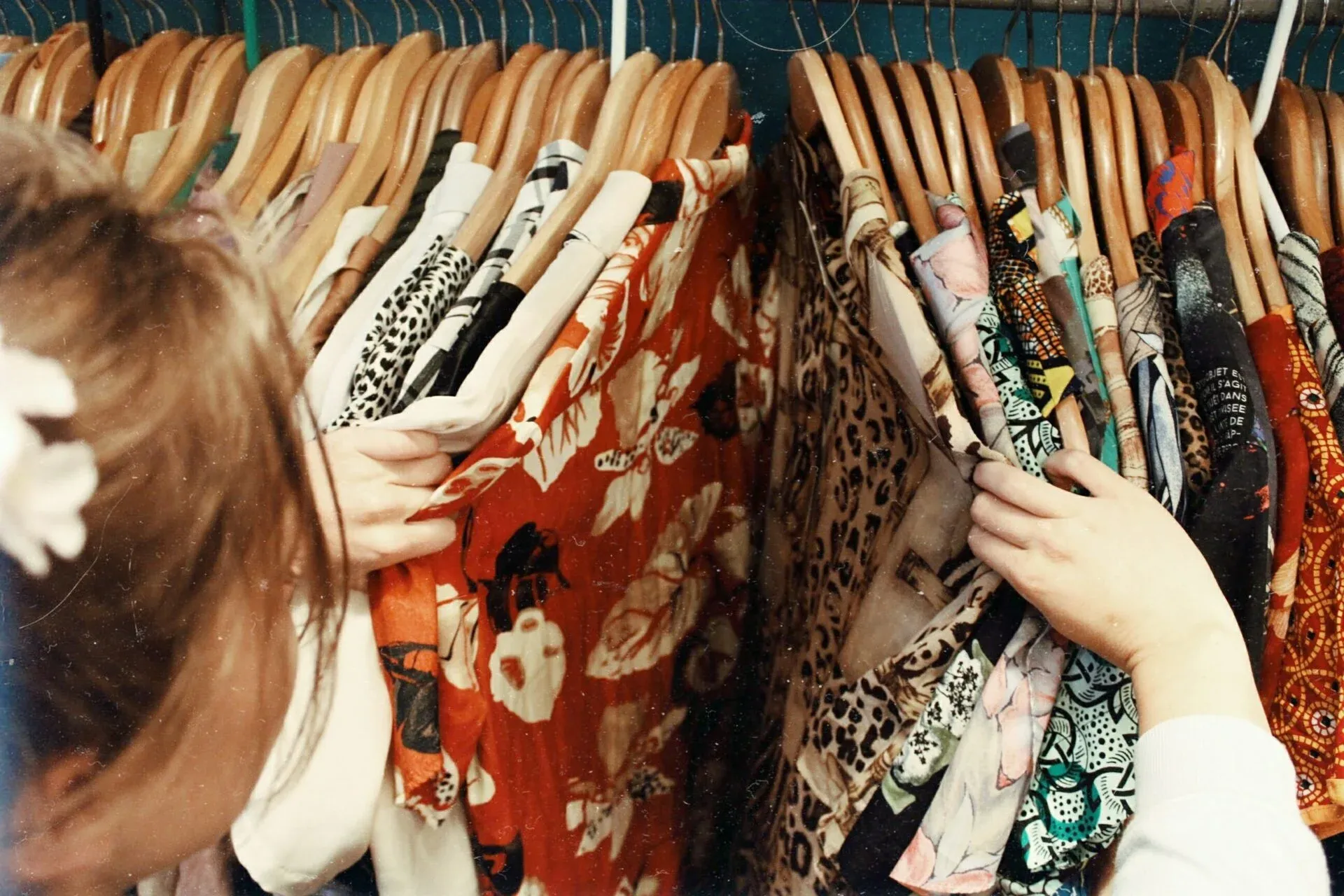
Every reseller has a pre-thrift speech. It's delivered during the drive over, somewhere between the second traffic light and the parking lot. You promise yourself today's trip will be quick. You don't need much inventory. You're only replacing a few sold items. Thirty minutes, maybe forty-five if the shelves look promising. Then you'll head home, list inventory, catch up on shipping, and finally answer those buyer messages you've been ignoring. Three hours later you're carrying a shopping cart full of glassware, two jackets, a lamp you barely understand, and a bread maker that somehow convinced you it deserved another chance at life.
Your phone battery is hanging on for dear life because you checked eBay every six minutes. You forgot lunch. The shipping labels are still waiting at home. You also walked past the same aisle four separate times because you ask in your mind, "What if someone just put something out?"
Resellers love to think we're rational people making calculated business decisions. We're also the same people who will circle back to the mug aisle because a coffee cup looked kind of interesting from twenty feet away.
Nobody is immune. Experience changes what you buy, but it rarely changes the ridiculous conversations you have with yourself while shopping. Every thrift store creates the same cycle of optimism, bargaining, overconfidence, and selective memory. We know exactly what's happening. We still fall for it every weekend.
"I'll Only Look at One Section"

This lie deserves some respect because it has survived every reseller in history.
You walk in with a plan. Clothing only. Shoes only. Electronics only. You repeat it in your head as though you're preparing for battle. Staying focused sounds smart because wandering through every department wastes time.
Five minutes later you're holding a cast iron pan.
Nobody remembers how it happened.
Maybe someone left it on an end cap. Maybe you noticed another reseller carrying one last week. Maybe your brain remembered a YouTube video where somebody sold a rusty skillet for more than your monthly electric bill. Whatever started it, your carefully planned route has already collapsed.
One aisle turns into three because "I'm already here."
Three aisles become the entire store because skipping one section suddenly seems irresponsible. Imagine leaving behind a rare collectible because you wanted to save fifteen minutes. Nobody wants that story.
Experienced resellers aren't any better. They simply justify it with better excuses. They'll say they were checking for seasonal inventory. They'll claim they were researching another category. They'll insist they spotted something from across the room.
Sometimes those explanations are even true.
Most of the time, curiosity won.
Curiosity isn't a bad quality in reselling. Plenty of profitable flips begin with an item you've never seen before. The problem starts when curiosity convinces you every aisle deserves equal attention. A store with twenty departments can easily turn a one-hour sourcing trip into an entire afternoon.
Plenty of successful resellers avoid this trap by giving themselves rules before they grab a shopping cart. Maybe they only check hard goods if clothing has been picked over. Maybe they leave once the cart reaches a certain dollar amount. Maybe they visit different departments on different days. Rules don't eliminate distractions, but they make it harder for your brain to negotiate with itself every five minutes.
"This Will Definitely Sell"
Confidence is important.
Overconfidence owns storage units.
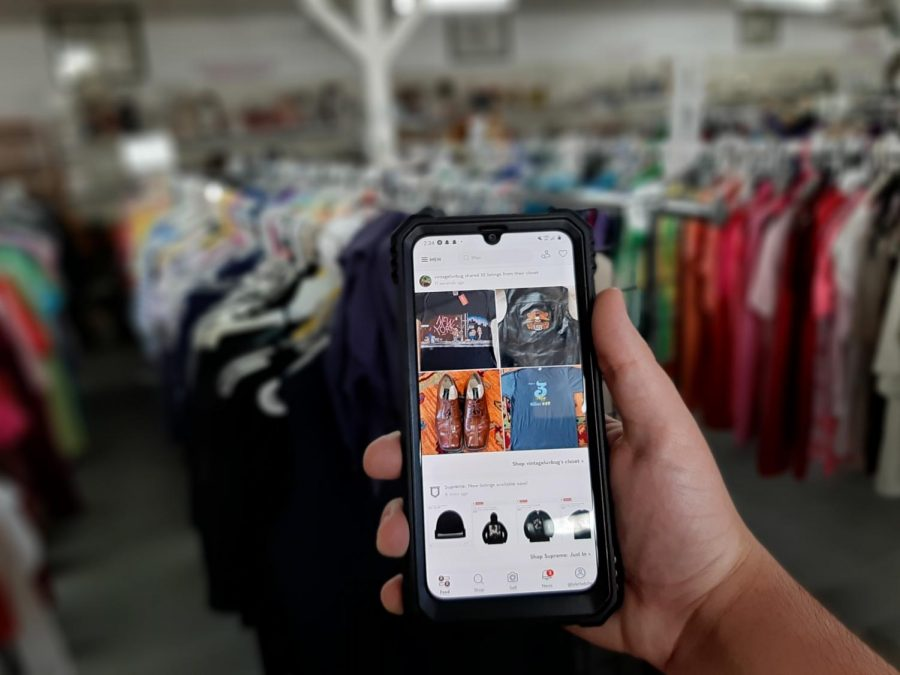
Every reseller has picked up an item and built an entire success story before checking the sold listings. You imagine the buyer. You imagine the profit. You imagine telling another reseller how you spotted the hidden gem everyone else ignored.
Then you check completed sales.
Two listings.
Neither sold.
One has been sitting for eleven months.
Now you're standing in the middle of the aisle pretending you were simply reading the manufacturer's label all along.
Past success creates some of the biggest blind spots in reselling. One profitable flip can convince you every similar item belongs in your cart. Sell one vintage coffee grinder for $180 and every coffee grinder starts looking like retirement planning. Find one valuable plush toy and suddenly you're inspecting stuffed animals with the concentration of a museum curator.
Markets don't work that way.
Brands change. Demand shifts. Collectors move on. One model becomes desirable while another barely attracts attention. Small differences matter, especially in categories where buyers know exactly what they're searching for.
Sold listings exist for a reason.
Checking them doesn't mean you lack experience. Experienced resellers check them because they know memory has a habit of editing the details. Most of us remember the exciting sale and conveniently forget the six similar items that barely covered shipping.
A little skepticism saves a surprising amount of money. Ask simple questions before buying. How often does it sell? Are the successful listings actually the same model? Can you ship it without spending half the profit on packing materials? Does the condition match the listings commanding higher prices?
Those questions aren't glamorous.
Neither is explaining to your family why another "guaranteed winner" has been sitting on the garage shelf since last Thanksgiving.
"Next Weekend I'll Be More Disciplined"

Every reseller believes in Future Me.
Future Me wakes up early without hitting snooze.
Future Me brings enough water.
Future Me charges the phone the night before.
Future Me remembers reusable shopping bags instead of balancing loose purchases like a circus act across the parking lot.
Future Me also promises today's death pile will disappear before another sourcing trip happens.
Future Me has been making ambitious promises for years.
Reality usually arrives with another estate sale, another thrift stop "just because it's on the way," and another stack of inventory waiting to be photographed. Listing isn't nearly as exciting as finding. Every reseller knows it. Hunting gives you little victories every few minutes. Listing asks you to sit in one place, measure shirts, write descriptions, and answer questions from buyers asking whether you'll accept $12 for a $60 item with free shipping.
Discipline matters far more than motivation because motivation only shows up when the exciting part begins. Building a profitable reselling business depends on everything that happens after the thrift trip ends. Inventory earns exactly zero dollars sitting in a shopping bag beside your desk. Great finds become profitable only after they're cleaned, photographed, listed, packed, and shipped.
Most resellers never completely outgrow these little delusions, and that's probably for the best. A little optimism gets you out the door on Saturday morning. Curiosity leads you toward categories you would have ignored otherwise. Confidence helps you take chances on unfamiliar items. Even the promise of becoming "more organized next week" has a certain charm because every reseller enjoys believing the perfect system is only one thrift trip away.
Keep the optimism. Laugh at the excuses. Learn from the purchases that looked brilliant under fluorescent store lighting and far less impressive once you got home. Every trip teaches something, even when the lesson costs a few dollars. You'll probably tell yourself you're only checking one rack on your next thrift run. Deep down, you already know how that story ends. Your shopping cart knows too.
Not sure you're getting the best deals? SellRaze keeps your inventory in sync and helps you track competitive pricing, so you never miss out on a sale. Start optimizing your listings today!