
The Device That Nobody Wants Is the One That Pays You
by Eric Emmanuel Corrales •October 6, 2026
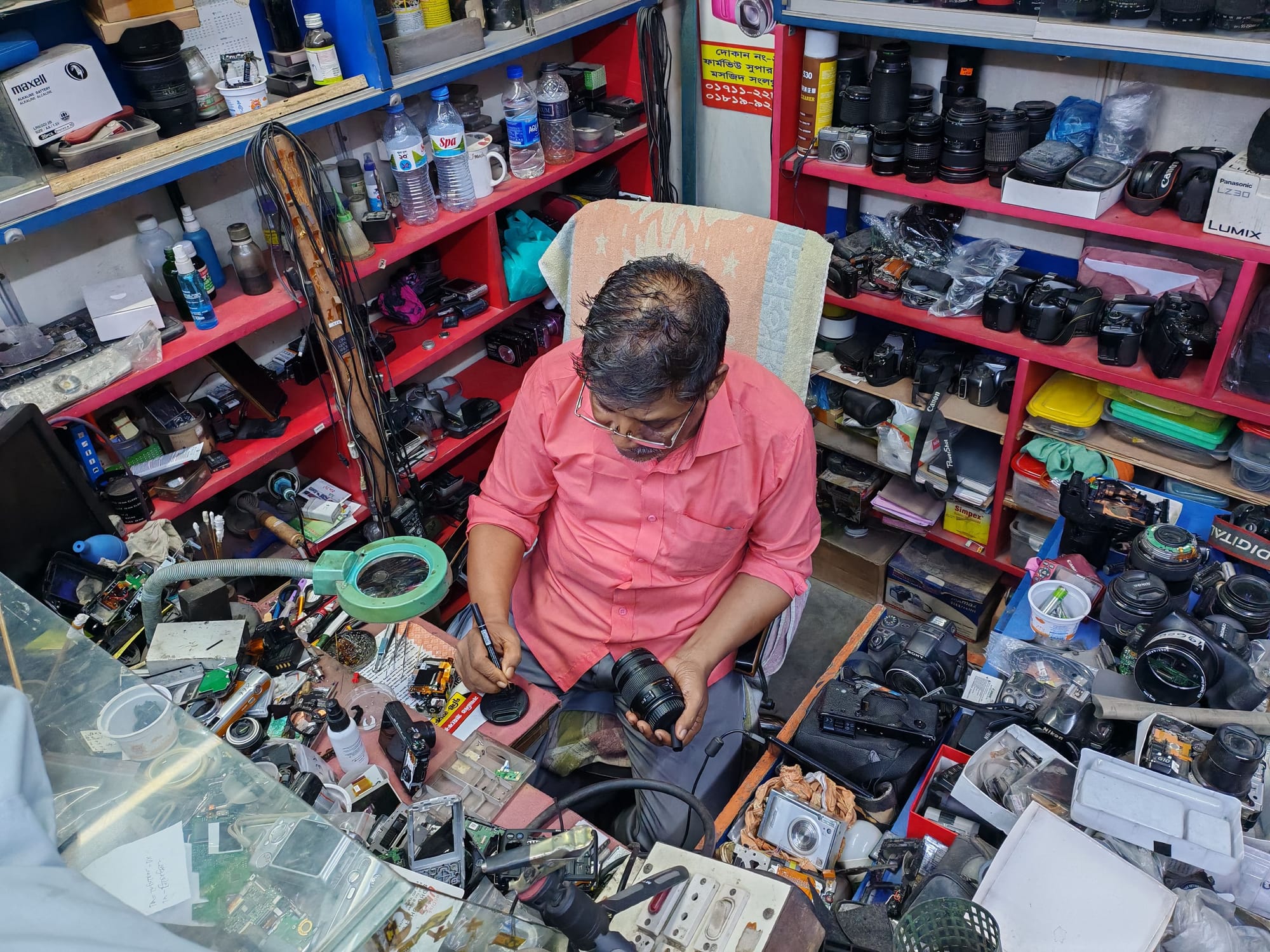
Refurbished electronics reselling is one of those categories that looks intimidating from the outside and more manageable the closer you get to it. The fear—testing requirements, the possibility of buying something broken, returns from buyers who claim something stopped working—is real but largely manageable with the right habits. The upside is also real: refurbished electronics reselling consistently produces margins between 25–50% on well-sourced inventory, with some categories hitting significantly higher on the right finds.
The refurbished smartphone market alone is growing at over 5% annually globally, and tariffs on new electronics in 2026 have raised retail prices 8–15%, widening the spread between what buyers are willing to pay for a quality refurbished device and what you can source one for. That's the fundamental math behind refurbished electronics reselling in 2026—and it's working in sellers' favor.
What Refurbished Electronics Reselling Actually Involves
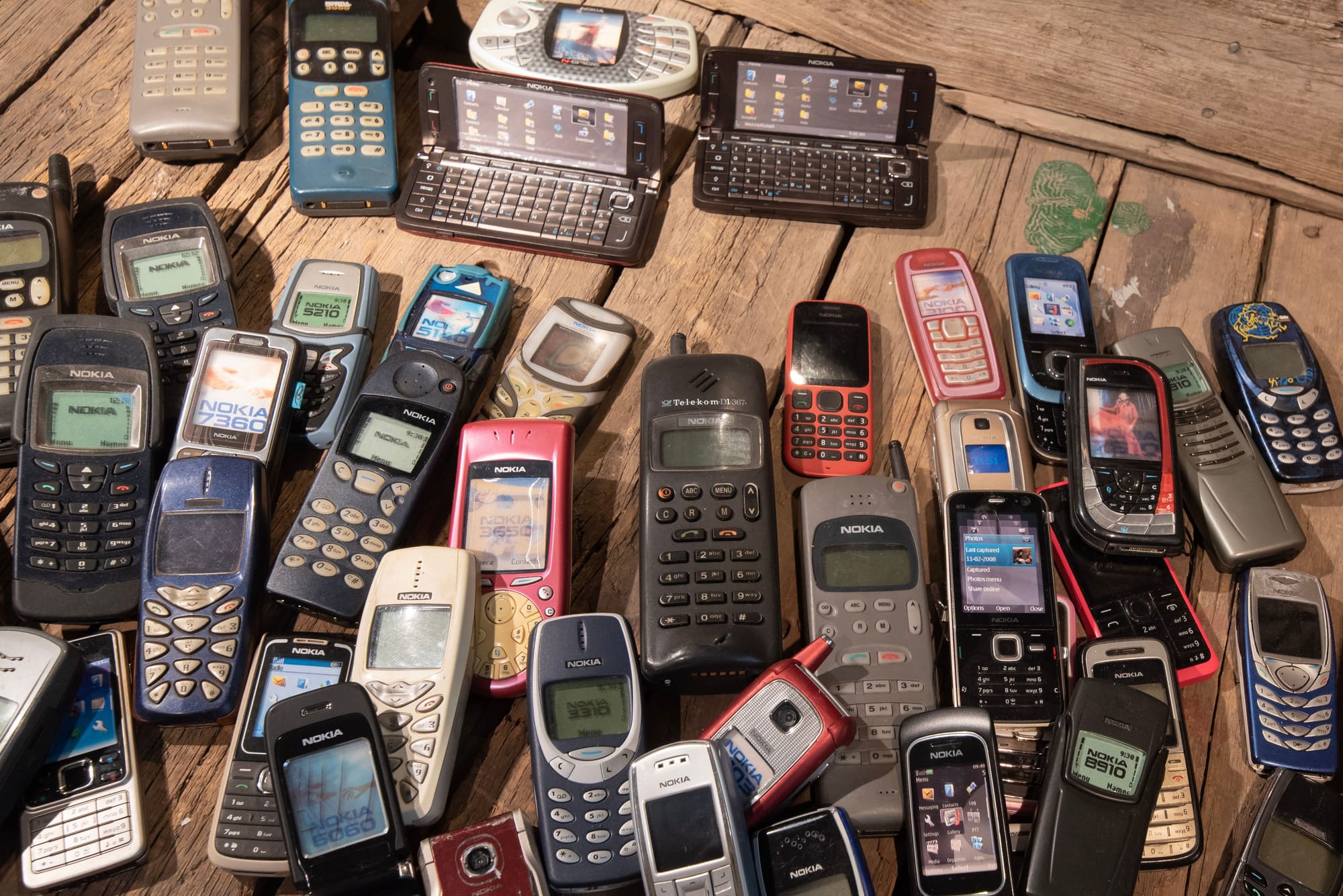
Before getting into specific categories, it's worth being clear about what refurbished electronics reselling actually requires—because there's a spectrum from "sold as-is with a photo and a prayer" to "tested, cleaned, repaired, and sold with a warranty," and those are very different businesses.
For most resellers starting in this category, the model looks like this: source devices in working or near-working condition, test every function you can test, clean cosmetically, describe condition accurately, price based on sold listings, and list on appropriate platforms. Actual repair or component replacement is a separate skill set—some refurbished electronics resellers develop it, others specifically source devices that don't require it.
The spectrum of refurbished electronics reselling:
Tested and sold. You buy a working iPhone 13, factory reset it, verify all functions, photograph it accurately, and list it. No repair required. Most of refurbished electronics reselling looks like this.
Cosmetic refurbishing. Cleaning screens, replacing cracked screen protectors, cleaning ports, refreshing keyboards on laptops. Minor cosmetic work that improves presentation without requiring technical skills.
Component repair. Screen replacements, battery swaps, charging port repairs. This requires technical skill and tools but significantly expands the inventory you can profitably source—broken-screen devices source at steep discounts and sell at significant premiums once repaired.
The Categories That Produce the Best Refurbished Electronics Reselling Margins
Not all electronics resell equally. The categories that consistently produce the best margins for refurbished electronics reselling share two traits: buyers who know the specific model they want and will pay for quality, and enough consumer upgrade cycle to keep supply flowing through the secondhand market.
Smartphones
Smartphones are the backbone of most refurbished electronics reselling operations. A refurbished iPhone 12 purchased for around $200–250 can resell for $350–450 in clean, tested condition—a 40–80% margin before fees. The iPhone 13 and 14 models run similar patterns as they drop out of mainstream retail focus.
The key variables that affect smartphone resale value: storage capacity (higher storage commands more), color (white and black sell fastest, unusual colors can sit), carrier lock status (unlocked sells for 15–25% more than carrier-locked), and battery health. Buyers checking battery health through iOS settings before purchasing is now standard behavior—listing battery health at 85%+ is important, and anything under 80% should be disclosed prominently and priced accordingly.
Samsung Galaxy S-series phones follow the same pattern with lower absolute prices and slightly thinner buyer pools than iPhones in most markets.
Laptops
Laptop refurbished electronics reselling is higher-ticket and requires more testing time but produces strong absolute dollar margins. A MacBook Air (M1, 2020) sourced for $400–500 and sold in good condition for $650–800 produces $200+ in margin per unit—meaningful even after platform fees.
The testing checklist for laptops before listing: power on and off (both sleep and full shutdown), all ports (USB, HDMI, SD card reader), keyboard and trackpad, display for dead pixels and backlight bleed, battery cycle count (listed in system information on Mac), and speakers. A free program like CrystalDiskInfo for Windows or Disk Utility on Mac checks drive health—a failing drive is the most common undisclosed issue in sourced laptops.
Dell XPS, Lenovo ThinkPad, and MacBook lines have the strongest resale demand. Generic Windows laptops from off-brand manufacturers are harder to move and typically not worth sourcing for refurbished electronics reselling specifically.
Wireless Earbuds and Headphones
Small, light, easy to ship, high buyer demand, and specific model names that make them instantly searchable. AirPods (all generations), Sony WH-1000XM5, Bose QuietComfort, and Beats headphones are the core of wireless audio refurbished electronics reselling.
AirPods specifically are among the most liquid items in all of electronics resale—they source frequently at thrift stores and estate sales for $15–35 and sell for $60–120 depending on generation and case condition. Battery health testing (ear tip and case separately) and pairing function check are the full testing requirement. Simple, repeatable, high margin per sourcing-to-listing hour.
Gaming Consoles and Accessories
Gaming consoles have consistent buyer demand and clear resale price histories. PlayStation 4 Pro units in good condition source for $120–160 and sell for $200–260. PlayStation 5 units, when available in the secondhand market, still command strong prices. Original gaming controllers source at $8–20 and sell at $25–50—lower absolute margin but extremely fast-moving and low-risk.
The testing requirement for consoles: power on, verify disc or digital game loads, check controller connectivity, test all ports, and verify HDMI output. A factory reset before listing is standard practice.
Vintage and Retro Electronics
This subcategory deserves special mention because it operates differently from modern consumer electronics. Vintage audio equipment (Marantz receivers, Pioneer turntables, Sansui amplifiers) has dedicated collector demand, and buyers in this category are knowledgeable enough to pay appropriately for working, well-maintained units.
A working Marantz 2270 receiver sourced at an estate sale for $40–80 can sell for $300–600 in restored working condition. The higher sourcing and testing investment is justified by the dramatically different margin. Vintage cameras fall into a similar pattern—Canon AE-1s, Nikon FM series—where collector demand sustains prices significantly above what casual secondhand buyers would expect.
Sourcing for Refurbished Electronics Reselling
The sourcing side of refurbished electronics reselling is where the margin gets made—or doesn't. Buying at the right price is what determines whether the category is profitable, not the selling.
Estate sales. The highest-potential sourcing channel for refurbished electronics reselling. Technology from the past 5–10 years shows up regularly at estate sales priced without full market research. Families clearing estates often significantly undervalue working laptops, smartphones, and audio equipment.
Facebook Marketplace and Craigslist. Local buying for resale is one of the most reliable refurbished electronics reselling sourcing channels. Sellers who upgraded to a new device and want quick cash from the old one price for speed rather than maximum value. The art of making offers is particularly relevant here—knowing how to negotiate in person without feeling awkward about it is a sourcing skill that produces real margin improvements.
Liquidation and wholesale. Buying bulk liquidation lots of returned or refurbished consumer electronics is a higher-volume, higher-skill sourcing channel. Lot quality varies significantly between suppliers. Testing every unit in a liquidation lot before listing is non-negotiable — buying a lot and listing without testing produces returns and negative feedback that cost more than the lot's potential margin.
Thrift stores. Electronics sourcing from thrift stores requires testing at the store when possible. Many Goodwill locations have outlet strips near the electronics section. If testing isn't available and the store doesn't offer returns, factor the uncertainty into your offer—or pass. Your reseller's sourcing toolkit should include a small testing kit: a USB cable, earbuds for audio testing, and a charger compatible with common devices.
Testing Protocol: The Non-Negotiable Step

The most common mistakes in refurbished electronics reselling come from inadequate testing before listing. A device that ships to a buyer and fails on arrival generates a return, a negative review, and platform fees that don't get refunded. The time spent testing is always worth it.
A basic testing framework for common categories:
Smartphones:
- Power on and off completely
- Test all buttons (volume, power, mute switch)
- Camera (front and rear), flash, and video
- Speaker and microphone
- Charging port (charge it fully)
- Cellular signal (if applicable)
- Face ID or fingerprint reader
- Screen for dead pixels and touch responsiveness across the full surface
- Battery health (Settings > Battery > Battery Health on iOS)
Laptops:
- Boot from cold start
- All USB/USB-C/Thunderbolt ports
- Keyboard (every key) and trackpad
- Display for dead pixels, backlight bleed, hinge stability
- Battery cycle count and health
- Speakers and headphone jack
- Drive health via software check
- Wi-Fi and Bluetooth connectivity
Gaming consoles:
- Power on from cold
- Load a game (disc and/or digital)
- All controller ports and wireless pairing
- HDMI output to display
- All USB ports
- Factory reset before listing
Things you must Google before buying anything secondhand covers the broader research habit that applies before every purchase—for electronics specifically, a quick search of the device model plus common issues surfaces known problems worth checking before you commit to a buy.
Grading and Describing Condition Accurately
Refurbished electronics reselling reputation lives and dies on condition accuracy. Buyers who receive a device in better condition than described become repeat buyers. Buyers who receive something worse than described leave returns, disputes, and negative feedback.
A standard condition grading framework for refurbished electronics:
Like New / Open Box: No signs of use. Original packaging preferred. Full functionality.
Excellent: Light signs of use. No visible scratches under normal viewing conditions. Full functionality.
Good: Normal wear consistent with regular use. Minor scratches visible. Full functionality.
Fair / Acceptable: Visible wear, scuffs, or cosmetic damage. Full functionality, but cosmetically imperfect. Price reflects condition.
For Parts / Not Working: Disclosed defects. Priced accordingly.
Listing in a condition grade above what the device actually represents is one of the most common mistakes in refurbished electronics reselling, and it's one of the most avoidable. Accurate description protects your seller rating, reduces returns, and builds the trust that generates repeat buyers over time. Common mistakes to avoid when selling used electronics covers the full list of errors that experienced sellers have documented from years in the category.
Photography for Refurbished Electronics
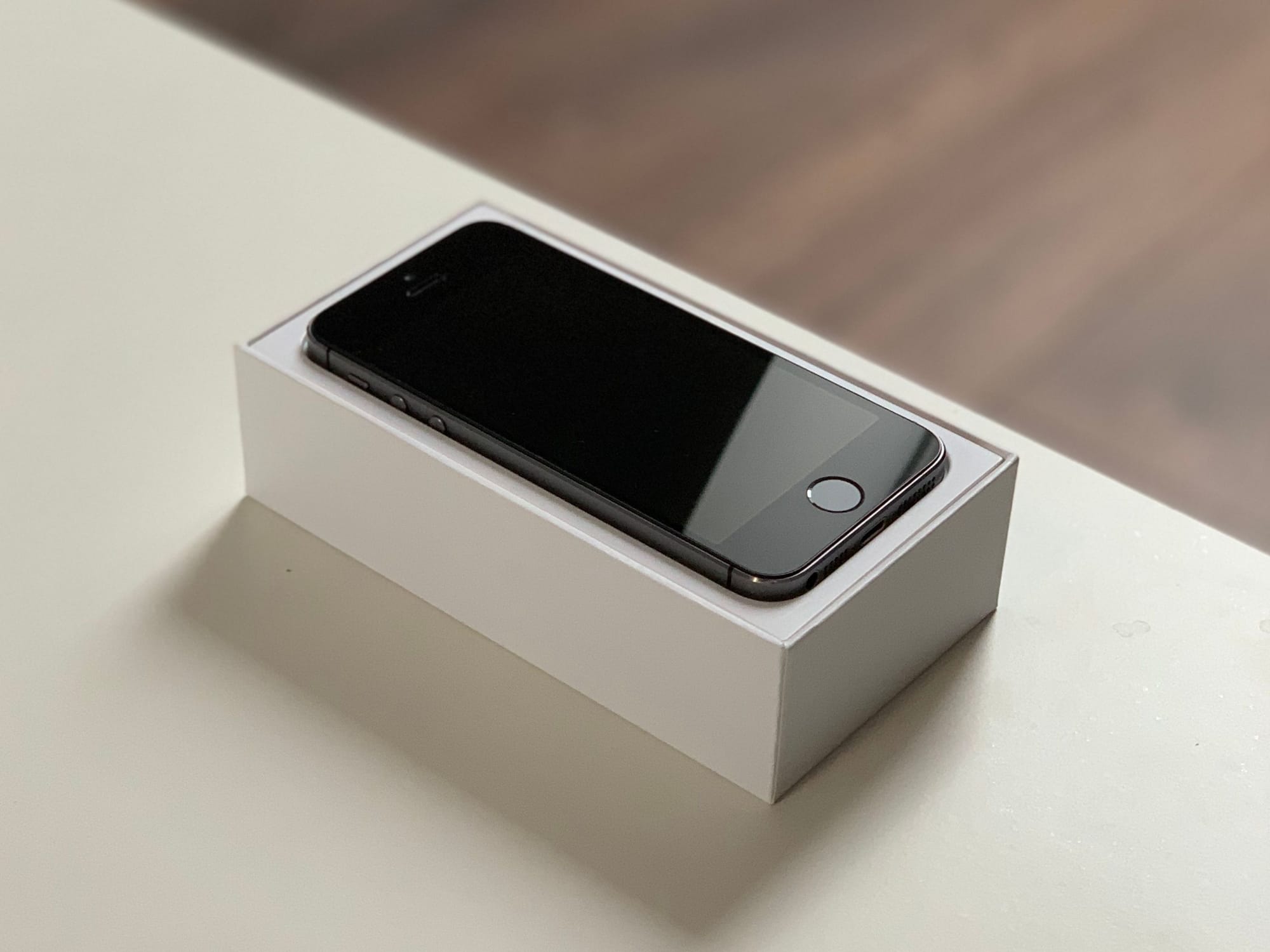
Electronics photography has specific requirements that clothing photography doesn't. Buyers want to see:
- Screen on (for smartphones, tablets, laptops)—shows display quality and confirms it works
- Screen off—surface reflections reveal scratches more clearly than screen-on shots
- All sides and corners
- All ports
- Any cosmetic damage, close-up
- Serial number or IMEI (with the last few digits obscured for privacy)
Accidentally professional covers the full photography approach for resale listings—the core principle applies to electronics: natural light, clean background, multiple angles, and close-ups of anything worth disclosing.
Where to Sell Refurbished Electronics
Platform selection for refurbished electronics reselling matters. Different devices have different optimal channels.
eBay is the default for most refurbished electronics reselling. The buyer base is large, the search function is model-specific, and eBay's seller protection (when you follow the rules) is reasonably reliable. The Authenticity Guarantee program now covers some electronics categories. eBay's fee for electronics is approximately 13.25% of the total sale, which needs to be in your floor calculation.
Swappa is a specialized marketplace for smartphones, tablets, and laptops with built-in verification requirements (IMEI checks, account activation status). Buyers trust Swappa specifically because of these requirements, which can support slightly higher prices than a generic eBay listing for the same device. Fees are lower than eBay—approximately 3% of the final sale price.
Back Market is a dedicated refurbished electronics marketplace that connects refurbishers with buyers. It's more appropriate for established refurbished electronics reselling operations than individual sellers but worth knowing if your volume grows.
Facebook Marketplace and Craigslist for local sales—zero fees, and local buyers who want to test in person before buying are often willing to pay fair prices for the convenience of no-shipping.
For the full landscape of best reselling websites across categories including electronics, the fee structures and audience comparisons cover the decision in more depth.
The Numbers That Make Refurbished Electronics Reselling Work
A realistic view of refurbished electronics reselling margins in 2026:
Category | Source Price | Resale Price | Net Margin (after ~13% fees + shipping) |
|---|---|---|---|
iPhone 12 (128GB, Good) | $200 | $350 | ~$90–110 |
MacBook Air M1 (Good) | $430 | $700 | ~$170–200 |
AirPods Pro 2 (Excellent) | $75 | $160 | ~$60–70 |
PS4 Pro (Good) | $140 | $230 | ~$60–70 |
Sony WH-1000XM5 (Good) | $85 | $175 | ~$60–70 |
Marantz 2270 Receiver (Working) | $60 | $400 | ~$290–310 |
Estimates based on current market data. Actual margins vary by condition, timing, and platform.
For strategies on scaling a refurbished electronics reselling operation beyond individual transactions, strategies for selling refurbished devices covers bulk buying, warranty considerations, and building supplier relationships that support volume.
Building a Refurbished Electronics Reselling Operation
Refurbished electronics reselling rewards sellers who develop a consistent sourcing and testing process—the kind of operation where each device moves through acquisition, testing, cleaning, photography, and listing in a predictable sequence rather than an ad hoc one.
The category has a real learning curve, but the curve is front-loaded. The first dozen devices you process take significantly longer than the fiftieth. Testing protocols become faster. Condition grading becomes more accurate. Pricing decisions take seconds instead of minutes. And the reputation built from consistent, accurate listings compounds into repeat buyers and better seller standing on every platform you use.
Refurbished electronics reselling isn't the easiest category in resale—but it's one of the most rewarding ones for sellers willing to put in the process work upfront.
If you're managing refurbished electronics listings across eBay, Swappa, and other platforms and want cross-listing and inventory tracking to take less of your time, SellRaze is worth exploring. Built to simplify the operational side of multi-platform reselling.