Same Sneaker, Two Markets, Different Money
by Eric Emmanuel Corrales •August 12, 2026

StockX vs GOAT is the comparison every serious sneaker reseller eventually has to sit down and actually work through, because the surface-level pitch from both platforms sounds nearly identical: authenticated sneakers, trusted marketplace, sell with confidence. Dig past the marketing and the two platforms operate on genuinely different mechanics—different pricing models, different condition rules, different fee structures, different shipping logistics. The differences are large enough that picking the wrong one for a specific pair can cost real money.
This guide breaks down StockX vs GOAT with actual numbers, not vague generalities, so you can decide with your specific inventory in mind rather than guessing.
The Fundamental Difference: How Each Platform Prices Items
StockX operates as what's often called the "stock market of things." Buyers place bids, sellers place asks, and a transaction happens automatically when a bid and ask for the same size match. Pricing is driven entirely by these market forces—transparent, algorithmic, and visible to everyone as live bid/ask spreads and historical price charts.
GOAT works more like a traditional e-commerce storefront. Sellers list items at a fixed price, though buyers can submit offers for negotiation. GOAT's prices tend to be more stable than StockX's because they're set directly by sellers rather than fluctuating with live market bids—but that stability often means GOAT prices run somewhat higher than StockX's market-driven equivalent for the same pair.
This single difference shapes almost everything else about the StockX vs GOAT decision. StockX rewards sellers who understand market timing and are comfortable with price volatility. GOAT rewards sellers who want pricing control and are willing to negotiate directly through offers.
Fees: Where the Real Money Gets Decided
This is the part of StockX vs GOAT that actually determines your payout, and the numbers are specific enough to calculate before you ever list a pair.
StockX charges new sellers a 13% total fee—broken down as roughly 9–10% transaction fee plus a 3% payment processing fee. That rate drops as you climb seller levels through sales volume, falling to around 8–11% for high-volume sellers (some sources cite levels as low as 7–8% at the top tier, requiring 500+ lifetime sales or $500K+ in lifetime sales depending on the specific tier structure cited). Selling a $250 Jordan 1 as a brand-new Level 1 seller costs roughly $32.50 in total fees, netting a $217.50 payout. At a top seller tier, that same pair might net closer to $222–230.
GOAT charges a commission fee based on seller rating rather than pure volume. Sellers with a rating of 90 or above pay 9.5% commission. Sellers with a rating below 50 pay a steep 25%, plus a flat $5 seller fee per transaction. On top of the commission, GOAT charges a 2.9% transfer fee when cashing out earnings to a bank account or PayPal.
The practical comparison: for an established seller in good standing on both platforms, GOAT's 9.5% commission is often slightly cheaper than StockX's fees at the entry level, but StockX's tiered system means high-volume sellers can eventually undercut GOAT's flat rate through volume discounts. For casual sellers moving a few pairs a month, the difference between the two is genuinely minimal. For high-volume resellers, StockX's tiered structure can save real money annually—but only once you've put in the sales to unlock it.
Authentication: Deadstock Only vs. New and Used
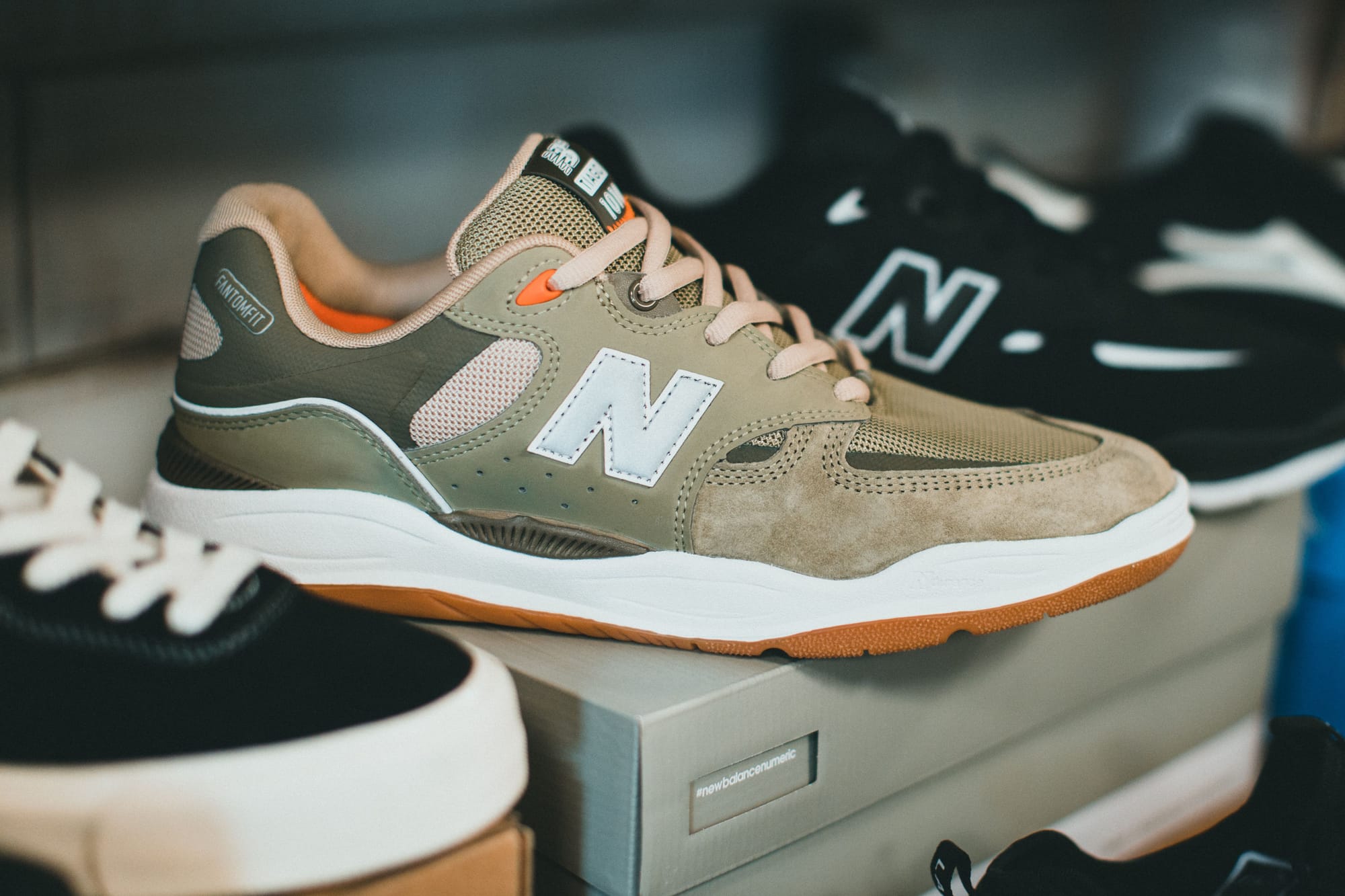
Here's where StockX vs GOAT becomes less about money and more about what you're actually allowed to sell.
StockX requires deadstock. Every item must be brand new, unworn, and in original packaging. There are no exceptions for general categories. If a pair shows any wear, missing components, or packaging damage, it fails authentication—full stop. StockX fees only apply if your pair actually clears this bar; a failed authentication means a $15 return fee and a hit to your seller level standing, which makes future fees worse, not just the one failed sale.
GOAT accepts new and used items, with a structured condition grading system—"new," "used – like new," "used – fair," and similar gradations. This single difference makes GOAT the obvious destination for lightly worn sneakers, pairs missing original boxes, or anything that wouldn't survive StockX's strict deadstock requirement. Risking a StockX authentication failure on a pair you suspect has minor wear is rarely worth it when GOAT will simply accept and grade it honestly instead.
Both platforms run genuinely rigorous authentication. StockX operates seven authentication centers globally—Detroit, Tempe, Eindhoven, London, Hong Kong, Tokyo, and Melbourne—with trained authenticators inspecting stitching, materials, box condition, and other product-specific details. GOAT runs a two-step process combining AI-powered digital pre-screening (cross-referencing seller photos against a vast database of authentic product images) with hands-on physical inspection. Neither system is infallible—anecdotal reports of counterfeits occasionally slipping through exist for both—but both companies have invested heavily enough that is StockX legit and is GOAT legit both land on a confident yes for sellers and buyers alike.
Shipping and Payout Speed
For sellers, this matters as much as fees—capital tied up waiting for authentication isn't capital you can reinvest in new inventory.
On StockX, your pair ships to an authentication center first. If it passes, StockX ships to the buyer and releases your payout, typically within 1–3 business days of passing authentication. In 2025, StockX introduced a Verified Seller program allowing a limited number of pre-verified, high-track-record sellers to ship directly to buyers, bypassing the authentication center entirely—a meaningful speed advantage, but only available to sellers who've earned that status.
GOAT's standard process mirrors StockX's—ship to GOAT, get authenticated, GOAT ships to buyer. But GOAT's Instant Ship program, which stores pre-authenticated inventory at GOAT's own facilities, can get items to buyers in as little as 2–4 business days once a sale happens, because the authentication step has already occurred before the sale rather than after.
For sellers specifically, the practical difference is this: GOAT's flexibility around direct seller shipping (in some cases) can move faster than StockX's centralized authentication-first model, while StockX's Verified Seller program offers a comparable speed advantage to sellers who've built enough track record to qualify.
Which Platform Should You List On?
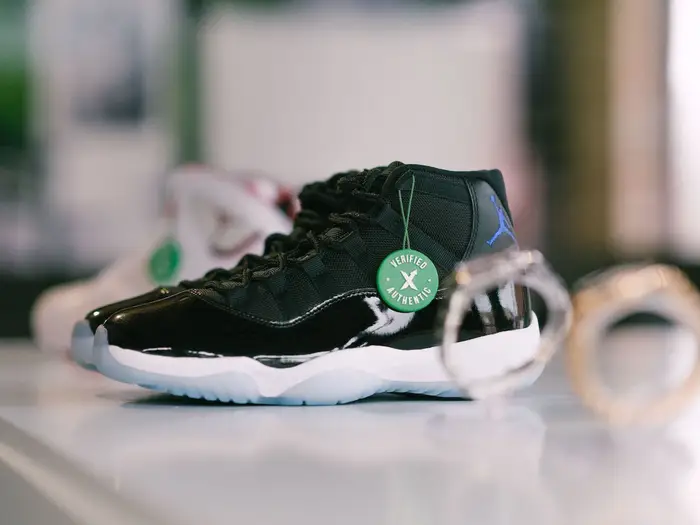
The honest answer to StockX vs GOAT is that the right platform depends on the specific pair, not a universal preference:
List on StockX when: the pair is genuinely deadstock, you understand (or are willing to learn) the bid/ask market mechanics, and you're comfortable with prices that move based on live market demand rather than a price you set yourself.
List on GOAT when: the pair has any wear, is missing original packaging, or you simply prefer setting a fixed price and negotiating through direct offers rather than navigating live market bids. The art of making offers without feeling pushy is a skill that translates directly to GOAT's negotiation-friendly listing format in a way StockX's anonymous matching system doesn't require at all.
Many experienced sneaker resellers don't choose one—they use both, checking which platform's current market price is stronger for a specific pair before deciding where to list it. Crosslisting the same pair isn't quite as simple on StockX and GOAT as it is on general resale platforms, since both require physical shipment to an authentication center—but checking comparable sold prices on both before committing inventory to either one is a habit worth building regardless.
A Quick Real-World Example
A $250 Jordan 1 Retro High OG sold by a Level 1 StockX seller nets approximately $217.50 after the 13% total fee. The same pair sold by a GOAT seller with a 90+ rating nets approximately $221.25 after the 9.5% commission (before the $5 flat fee and any cash-out transfer fee, which would bring it down further to roughly $213–216 depending on withdrawal method).
The numbers land close enough that for a single pair, the decision usually comes down to condition (deadstock vs. used) and how quickly you need the payout, rather than fees alone. The gap widens meaningfully at higher seller tiers and higher sale prices, which is where serious volume sellers start optimizing seriously for one platform over the other.
Where Your Inventory Actually Comes From
Knowing where to sell sneakers matters, but knowing where to source them matters just as much for the margin math to work in the first place. Sellers building genuine volume on either platform are increasingly creative about sourcing—unorthodox sourcing covers some of the less obvious channels worth knowing about, beyond the standard retail and resale-flip approaches most guides default to.
For a deeper read on the full landscape of this debate with additional real-world fee scenarios, the ultimate comparison and StockX or GOAT both cover additional angles worth cross-referencing before you commit serious inventory to either platform.
The Verdict Nobody Wants But Everyone Needs
There's no single winner in StockX vs GOAT. StockX wins for genuinely deadstock inventory, sellers who want transparent market-driven pricing, and those willing to learn a slightly more complex bid/ask system. GOAT wins for used or imperfect inventory, sellers who want pricing control, and a more straightforward, traditional e-commerce listing experience.
The sellers who do best with either platform aren't loyal to one—they check both, understand the fee structure of each well enough to do the math instantly, and route each pair to whichever platform actually fits its condition and the current market for that specific shoe.
If you're selling sneakers across StockX, GOAT, and other resale platforms and want to simplify tracking inventory across all of them, SellRaze is worth exploring. Less time on admin, more time matching pairs to the platform where they'll actually sell for the most.