
How to Find Etsy Keywords: A Reseller's Guide in 2026
by Jasmin Mipaña •September 24, 2026
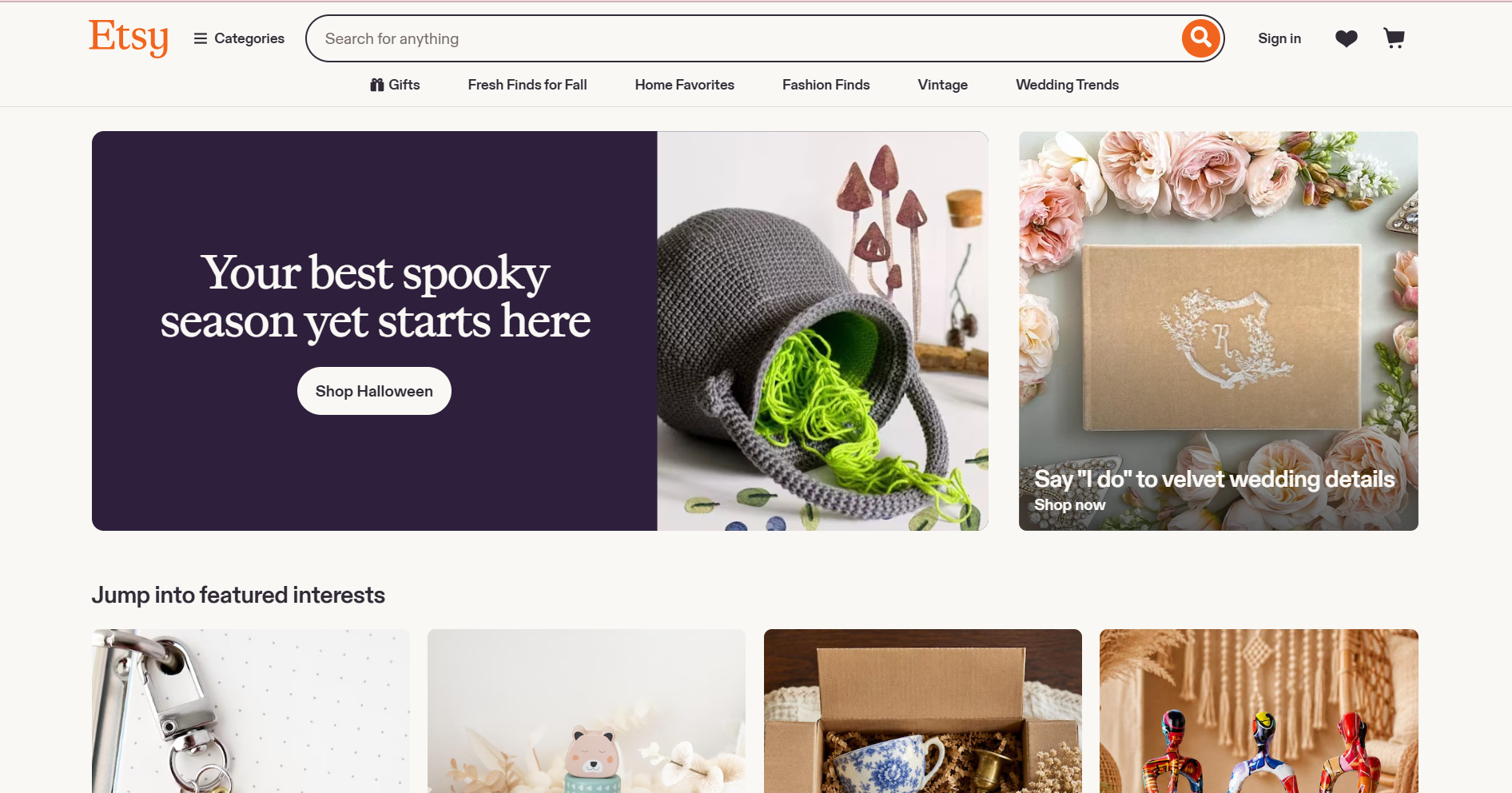
We sellers know how much keywords can make or break a listing.
Without these keywords, your listing will be lost in the sea of similar listings. Views? Less likely, even if your item for sale is of the best quality.
With five major listing parts to include keywords in your Etsy listing, you can’t afford to underutize them. As a seller, you must stay updated with the methods on how to find Etsy keywords.
Luckily, it’s not that hard to find these keywords that matter. Resellers just need solid knowledge of how Etsy keywords work and need to make sure listings are regularly updated. Here’s our step-by-step guide.
Before you start—what you need to know
- You can find Etsy keywords by manually searching them, using a tool, or doing both.
- Etsy has platform-specific SEO you need to be familiar with.
- There are five places where you can put your keywords: in the listing title, description, tags, categories, and attributes
How to find Etsy keywords
Step 1: Familiarize yourself with Etsy’s SEO.
You can’t beat a thing you don’t know about. Keyword research may have similarities across platforms, but you still must know how Etsy SEO works. This way, even if you’re not using tools and integrations, you can still work out how to maximize your keywords in Etsy.
Step 2: Learn manual keyword research—even if you’re planning to use a tool.
This should be non-negotiable for sellers, and is highly related to knowing how Etsy SEO works.
Step 3: Start researching broad keywords first, narrowing down as you go.
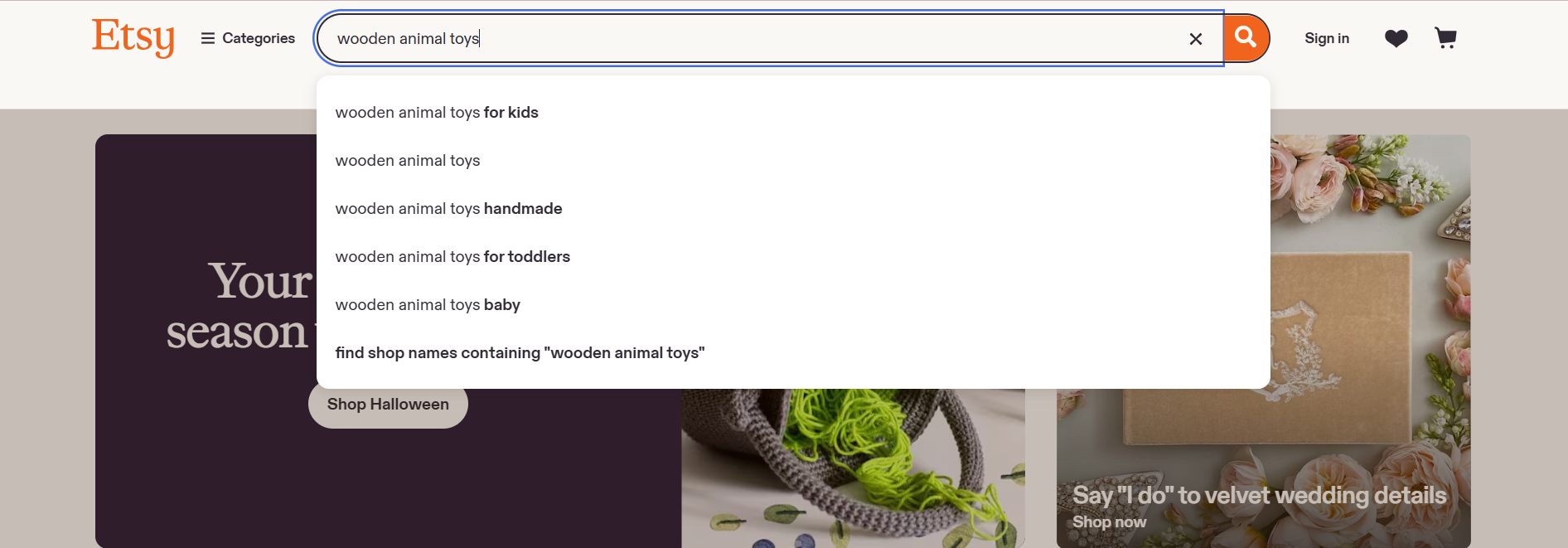
You can do this by using Etsy’s search bar. For example, you can start with “vintage-inspired accessories”. Etsy’s search suggestions will give you the keywords shoppers are searching for. As you use the search bar, you’ll find that it gives you related keywords as well.
An example: searching for “newsboy hat” may lead you to find “pageboy hat," a keyword that might actually be more visible than what you originally looked for.
Step 4: Use a keyword research tool if applicable.
This step is optional for casual sellers, as manual keyword research can be used for a small number of items and still produce results. But if you have a large inventory, consider getting a tool specifically made for Etsy, like eRank, Alura or EHunt. Explore their free tiers before committing to a subscription.
Step 5: Take a look at similar listings.
Look at popular listings from the same niche and take note of their keywords and how they use them. Benchmark against them rather than copying how they make their listings.
Step 6: Choose your most relevant keywords.
After you’ve learned how to find keywords, its time to put them to good use. Using a lot of keywords is tempting, especially in tags. Stick to this rule: keep only specific keywords, stick with the ones relevant to the item, and keywords that a buyer is likely to search for.
Step 7: Monitor listing performance after using the keywords you’ve found.
Check which listings are getting more traction, and which ones are not. Also, look into other Etsy settings that make your Etsy listings visible (Ariell Johnson talks about these in her video). Continue monitoring and improving your listings until you get more views, likes, and sales.
Frequently asked questions

Q: Is it necessary to use a keyword research tool?
A: No. Etsy’s search bar is more than enough to help you search for relevant and related keywords. But if you need more information regarding your keywords (like search volume and competition), or you have plenty of items to list, consider getting one.
Q: How do I know if an Etsy keyword is good?
A: A good Etsy keyword must accurately describe your item and match what the buyer is likely to search for. Resist using popular but irrelevant keywords for what you’re listing.
Q: How often should I update my Etsy keywords?
A: 60–90 days is a good span of time. This also allows you to refresh listings for your deadstock items. However, skip making changes to listings that are already working well. Prioritize poorly performing listings.
Related Articles
Interested in learning more about Etsy and keyword research? These articles might help:
Etsy Fees Explained for Resellers in 2026