NWT Meaning in Reselling: Resell Terms, Explained (2026)
by Jasmin Mipaña •February 19, 2026
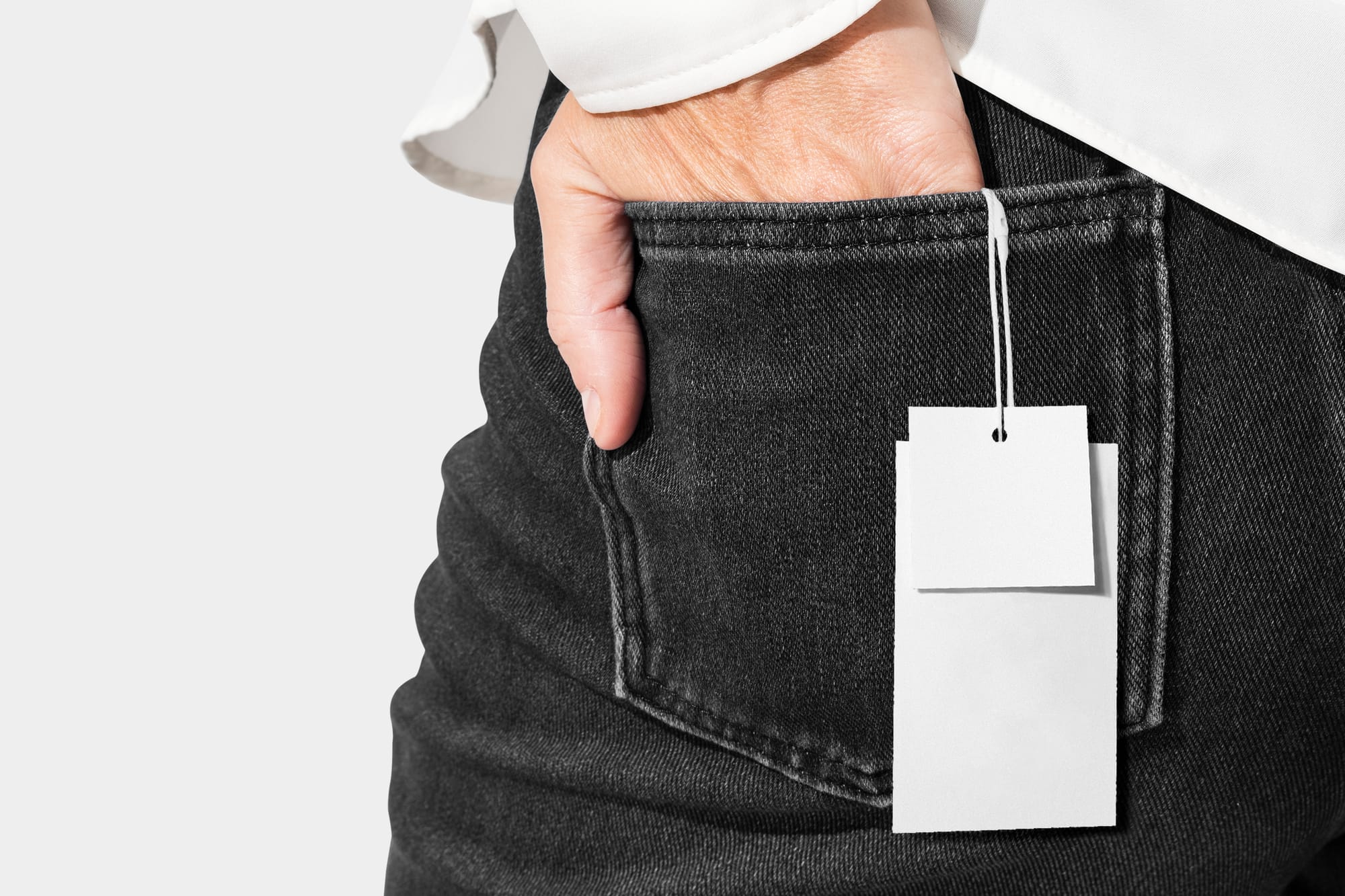
Acronyms are hot online, and online reselling platforms are no exception. They’re meant to simplify terms between buyers and sellers but can be confusing—especially when you’ve just started your reselling business. One of the most common terms (and one that could drive your sales fast) is NWT.
Have you ever wondered about the NWT meaning in reselling? We have the answer.
When you’re listing on Depop, Mercari, Poshmark, and eBay, understanding what NWT is can greatly help in your pricing, visibility, and seller reputation. More than just a three-letter shortcut, it tells buyers that your item carries a higher value.
This blog post breaks down NWT’s meaning beyond what the words spell—”New With Tags”—how and when to use it, and how it impacts buyers and sellers in 2026.
NWT Meaning in Reselling
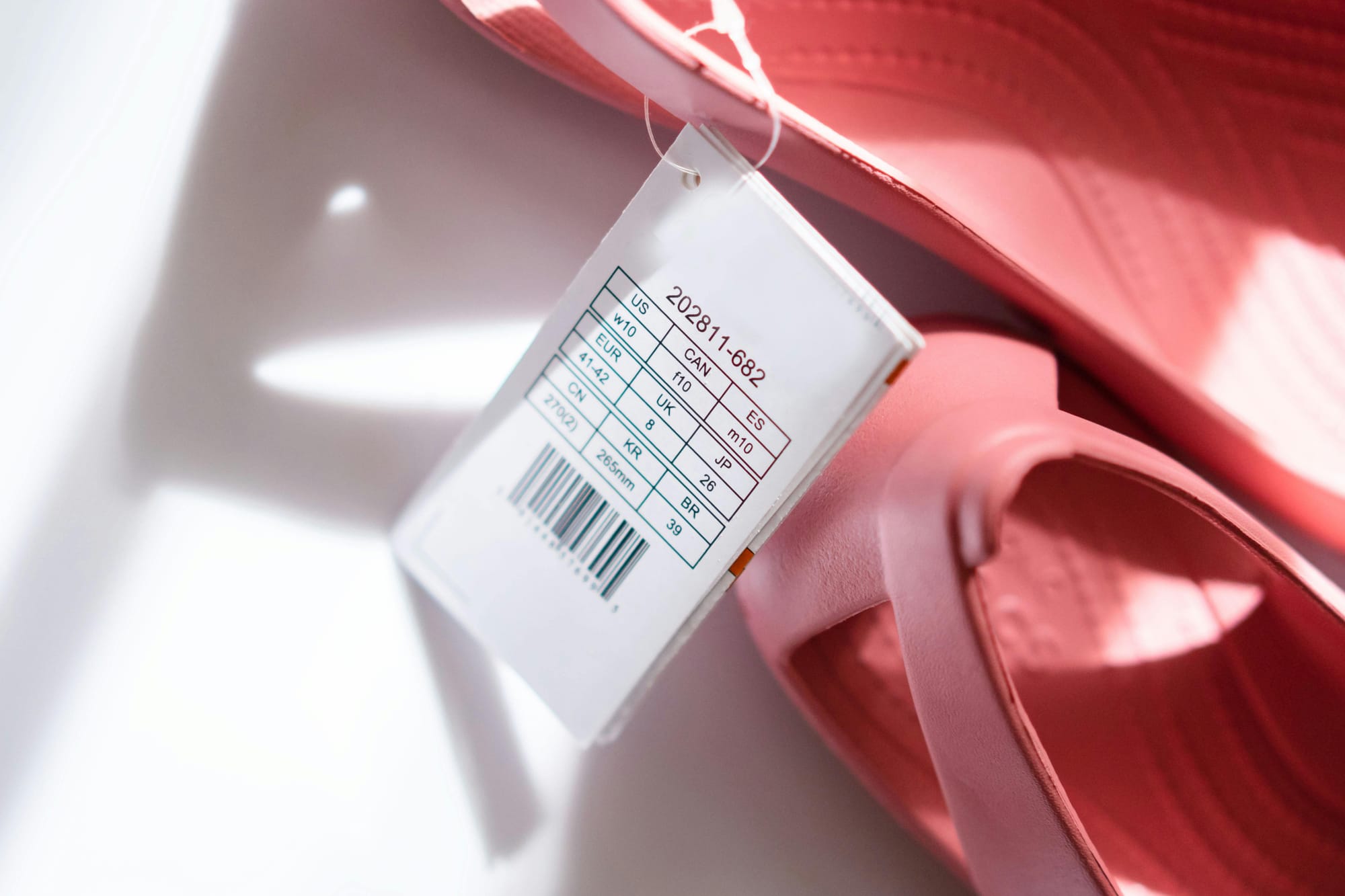
Literally, the NWT meaning in reselling is “New With Tags.” It refers to clothing and accessories like shoes, scarves and similar items. These items are brand new, never worn or used with the original retail tags still attached. It is resale-ready and, for most buyers, can be worn immediately.
NWTs end up on the resale market for many reasons. Some of these items are gifted, an impulse purchase, and online shop purchase in the wrong color or size that’s too much hassle to return, wardrobe clearouts, discounted items bought to resell, or simply items someone liked all too well and took a long time to let go even if never worn.
NWT apparel is sought-after in online reselling platforms and brick-and-mortar thrift shops alike. Imagine finding a practically unworn (well, maybe fitted a few times) item from a strong BOLO brand for a fraction of the original price. That’s the kind of win you want to give your buyers when you sell an item that’s NWT.
What Makes NWTs Sought-After in Reselling?
NWT may seem like a simple condition label, but buyers and sellers alike tap into its psychological pull. Resale markets tap into the scarcity mindset when selling items with tags. Most of these resale items are pre-owned, and selling something that was never used makes buyers feel they score a one-of-a-kind thrift find. Scarcity increases buyer’s perceived item value.
Beyond scarcity, the retail illusion plays well into selling NWTs, especially if they come from a popular brand. Even when resold, the prestige of a brand name still carries on, and having it NWT brings it closer to brand-new, clean, unworn and authentic.
In addition to this, since it’s rare to find NWTs, buyers often experience FOMO (fear of missing out) and end up buying the item immediately. These items don’t come often and listings may have only one size, one color (especially for limited-edition clothing). Buyers know they have only one chance to get the item.
Lastly, finding an NWT either through a brick and mortar thrift shop or an online marketplace feels like a rewarding treasure hunt. It’s a win for both buyers and resellers.
What Items Can Qualify as NWT?

Again, an NWT item should never have been worn except for fittings. When we say fittings, we mean briefly tried on, not worn for a whole day and then returned. NWTs have also never been washed. The original tag should be attached to the items as-is, and have no signs of handling (handprints, lipstick, and other makeup stains, or signs of stretching). It should not carry any odor beyond the typical “new clothes” smell.
An item with a detached tag can’t be classified as an NWT; instead, this is called an NWOT (new without tags).
NWTs and Their Importance to Resellers
NWTs are among the most profitable and desirable pieces resellers have in their inventory, and for good reason: buyers perceive these items to be of higher value. Resellers can take advantage of this perception, allowing them to price these items closer to their retail value.
An NWT description appears on search filters in many online reselling platforms . This means when a buyer searches for a certain item and you have listed it as NWT, they will see it as such,and gives you a higher chance of making a sale compared to items not marked as NWT. These items have faster sales potential, and are less likely to get returned.
For example, an item sells brand new for $200, and the same item in used condition sells for $145 or less depending on the flaws, while an NWT sells for around $165–175, cheaper than brand new but way more expensive than used.
Why NWTs are Hot for Buyers
NWTs are the holy grail for buyers in resale platforms. With the original tags attached, buyers are assured the item is authentic, especially for high-ticket items. These items are also ready to give as gifts—they have fewer flaws, if any, compared to used apparel. It’s also easier to resell again, given the tags aren’t removed and there are no signs of being worn for a long time (like stains, sweat and perfume smells).
NWTs vs NWOT and Other Condition Labels, Explained
NWT is just one of the condition labels resellers use in their listings to accurately describe their inventory. There’s also NWOT (new without tags), Like New, and Used. Let’s break down each of them.
New Without Tags (NWOT)
Just like NWT, these items are likely worn for brief fittings, then stashed away in the closet until resold. The only difference is the retail tags are removed, either by choice or accidentally torn. Take note as a reseller: even if you have the tag but it isn't attached to the clothing anymore, it can’t be called NWT, but NWOT instead.
Like New
These items are also called “gently used” or in “good secondhand condition.” Perhaps worn for an occasion or two, like new items have minimal to no signs of wear and tear.
Used/secondhand condition
These are items with a more lived-in appearance, maybe a tiny hole in the sleeves or a loose button, or a slightly faded part. These are worn several times, maybe even regularly.
Here’s a comparison table of NWT and other condition labels, their pricing power and the confidence they give buyers.
Condition Label | Tags Attached | Worn? | Pricing Power | Buyer Confidence |
NWT | Yes | No | High, but still lower than brand-new | Very High |
NWOT | No | No | Moderate | High |
Like New | No | Slightly | Medium | Moderate |
Used | No | Yes | Low | Varies with condition |
How to Properly Use NWT in Listings
Reselling NWTs increases your sales potential. Here are the ways to use it correctly with your listings in all platforms:
- Put it in the listing title. Even if it won’t appear in search filters, buyers can’t miss it when NWT is placed in the title. Adding it to the description is standard practice, too.
- Take photos of the attached tags. This way, buyers get additional assurance that it is indeed new with a tag. Add a video if allowed.
- Include the item’s origin. If possible, mention where you got it from (from a garage sale, a gift that didn’t fit, the original context of why it’s an NWT item).
- Disclose tag damage. Tags can get damaged too, especially when stored for too long. They can get faded or chewed on by insects or slightly torn during closet clearouts.
- Price strategically. It can get tempting for resellers to price a NWT item too close to retail price, especially when it is in pristine condition. Bear in mind that NWTs, however excellent they may be, are still second-hand. Pricing too high may affect how long it takes to sell them; too low and you’ll lose profit.
When Not to Use NWT

By now we know how in-demand NWTs are and it’s the number one kind of item we want for our inventory. Sometimes, a tag gets ripped off while sourcing for inventory, or while displaying some items. Don’t label the item as NWT when the tag gets removed in any circumstance.
Don’t use the NWT description for the following:
- Items with signs of wear
- A washed item
- Store returns with damage
Attempting to pass off these items as NWTs can damage buyer trust and affect your reputation, potentially leading to negative comments. Buyers are more likely to return items when items are misrepresented, and negative reviews may lead to account flags.
Does NWT Help Items Sell Faster?
Yes, these items generally sell faster than non NWT items. They appeal to buyers who want something that’s closer to brand-new but at a discounted price. As shoppers generally filter by condition, labeling your item increases your visibility, making you show up consistently in searches.
However, the brand and the price will still matter in reselling NWTs. The more popular the brand is, the closer you can price it to its original price. But a less popular brand priced competitively may sell faster than an overpriced, popular brand-name NWT.
With this, knowing the NWT meaning in reselling definitely helps you with your inventory sourcing. Keeping NWT items in your online closet attracts potential buyers and make them browse other items too, plus selling NWTs build up their trust in you as a seller.
If you currently have NWTs in your inventory, consider crosslisting them to multiple platforms for wider reach. SellRaze helps manage inventory with hassle-free crosslisting. With the toggle of a button, you can post to multiple marketplaces—so you can spend less time listing and more time selling.