What are BOLO Brands? Explaining the Hype Behind These Hot Items
by Jasmin Mipaña •December 30, 2025
Brands so popular in thrift shops, they market themselves-and give you more sales.
Heidi (not her real name), is a thrift enthusiast in her 30s. Asking her what she specifically likes to find in thrift shops, she mentions regularly searching for BOLO brands. “These brands make thrifting even more worthwhile”, she says. “You get quality pieces, but since it’s thrifted, you save a lot, and it’s worth flaunting.”
But what’s a BOLO brand? Julia, a Poshmark seller and YouTube content creator on her channel JMSquared Vintage, explains Be on the Lookout (BOLO) brands as “brands that are hot…you make a pretty quick sale out of it”. Thrift shoppers love them, resellers love them even more.
With these hot items making their rounds in the thrifting scene, this guide introduces you to the BOLO concept, their impact on reselling and what brands to watch out, both popular and niche ones.
What is a BOLO brand?
Be on the Lookout (BOLO) brands are secondhand items that are highly desirable and fast-selling. These may include established brands like Chanel, Louis Vuitton and other similar brands. BOLOs also include athleisure brands like Nike, Adidas, Lululemon, and Patagonia, among others. Some brands that may not be a household name can become a BOLO too, when it is of top-notch quality.
BOLO brands aren’t limited to clothing and accessories-even toys, home and kitchenware, and collectibles have brands that are well-sought by secondhand buyers.
These brands often command a certain price when brand-new, hence buyers are excited to shop for them second-hand. “I like that I can own a branded piece for less,” says our thrift shopper, Heidi. “I can say I’m wearing branded pieces without spending a fortune”.
These items’ popularity make them a favorite among buyers and sellers alike; buyers for quality, sellers for quick inventory turnover.
How BOLO brands are determined
It’s a common misconception that all items from a BOLO brand is automatically a great pick. This is not the case for many brands. Some brands, for example, make awesome fitting pants but have tops that are made from poor quality material.
Here’s how resellers and thrift shop owners determine a brand/item as BOLO:
- Recognizable: BOLO brands are easy to recognize; they may be either popular high-end brands or common but quality household names (e.g, Chanel for high-end, Gap for common brand)
- Value and demand: There’s a greater demand for BOLO items because they are seen as valuable (for example, a secondhand Cartier watch is a hot item since many buyers look for it and are willing to pay a good amount). Some items increase in value when they are limited editions, or a collaboration between several designers, or part of an exclusive collection.
- Durability and quality: Some brands are not high-end nor popular, but they can be durable and of amazing quality-and that makes them BOLO. An example of them are Patagonia jackets.
- Classic or trendy: Classic pieces from luxury brands are instantly classifies as BOLOs, but lesser-known brands can become BOLOs too, especially when they are on trend. The difference between these two: classic items are year-round bestsellers, while trendy ones may sell fast for a season or two.
In short, BOLOs are not single brands, and lists of BOLOs change from time to time as demands from resellers change.
BOLO Brand Tier System
Much like brand-new items having classifications according to price (haute couture, luxury, premium, mid-range, budget), resellers categorize their BOLOs too, based on profitability.
As the demand for a certain item or brand drops, they can quickly become a NOLO (not on the lookout) or not very profitable to sell. Each reseller often has a different categorization, but here’s a rough system one can refer to:
- Luxury (think Hermes, Delvaux)
- Premium (Lacoste, Burberry, Coach and similar brands)
- Mid-range (examples are Gap, Levi’s, Zara)
The tier system isn’t always brand-specific; it also depends on the state of the material. For example, a vintage Coach bag with damaged zippers and irreparable scratches cannot be considered a BOLO item anymore due to its poor condition. On the other hand, a vintage Levi’s in good condition may fetch a better price.
BOLOs can also become regular inventory as time passes by and demand lessens. A trendy jacket this season may fall into the bottom of the heap a few months later, so it’s always wise to get a mix of different items and brands for your reselling business, instead of relying solely on BOLOs.
Popular BOLO brands we love in 2026
Luxury Brands
Items from fashion houses are generally BOLO brands. Hermes, YSL, Prada and the like will always be crowd favorites, from clothing to accessories. Included are quiet luxury brands like Bottega Venetta, Loro Piana and others among high-value items that quickly resell.
Athleisure Brands
These brands are known for their durability and performance:
- Nike
- Adidas
- Hoka
- Lululemon
Outdoor Brands
Same as athleisure brands, these are durable and can withstand weather changes.
- The North Face
- Patagonia
- Carhartt
- Columbia Sportswear Company
Kitchenware
Yes, kitchenware have BOLO brands and items, too. Our favorites are:
- Vintage Pyrex
- Le Creuset
- Corningware
- Cuisinart
Why include BOLO brands in your reseller inventory
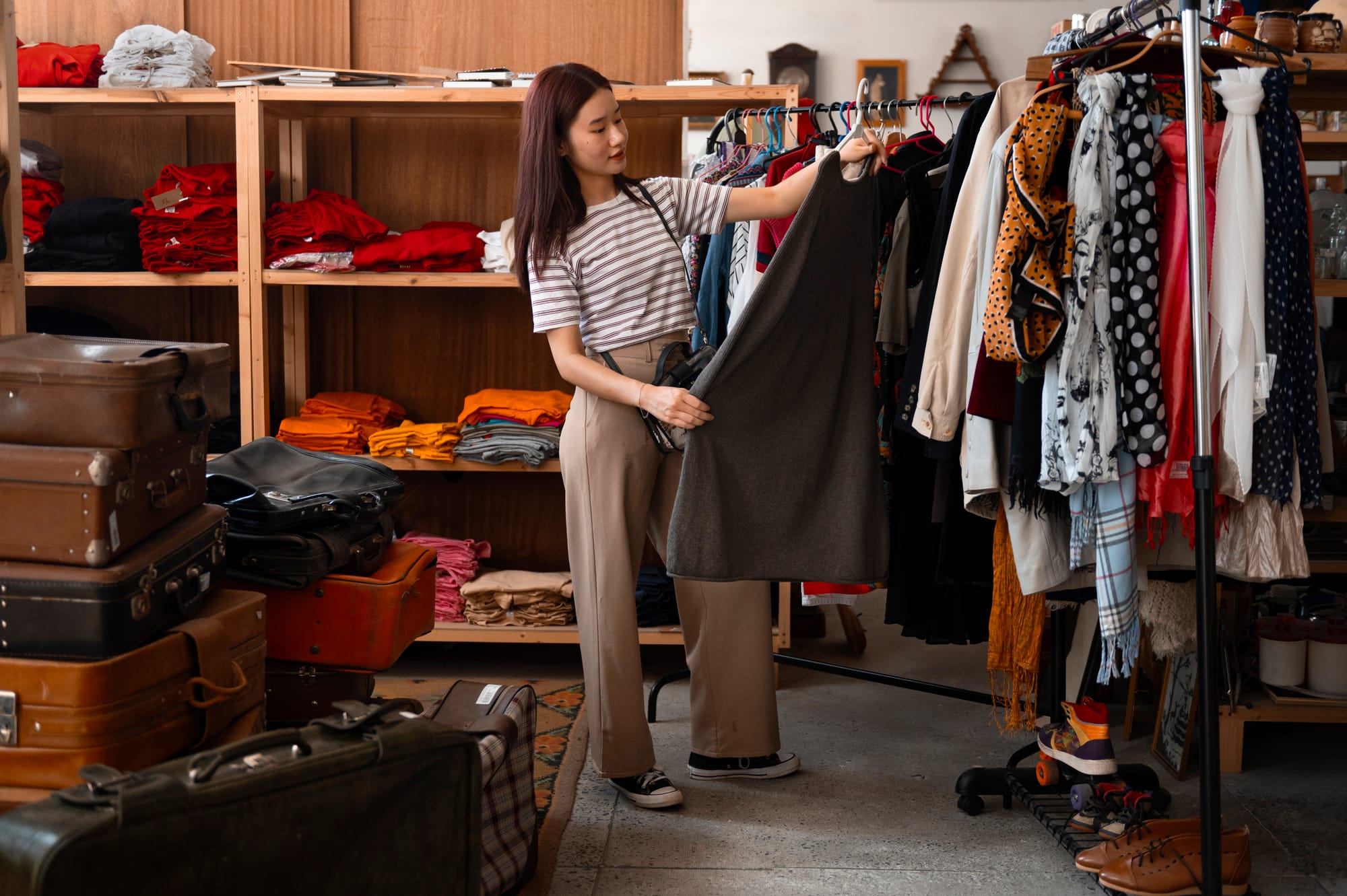
BOLO brands can immediately give your sales a boost. Buyers prefer thrift shop/sellers that has a wide array of BOLO items available, aside from regular brands. “There’s this particular thrift shop I regularly come to, because I often found Levi’s in their racks,” our thrift shopper, Heidi, shares. More BOLO items available means more customer visits, and the likelihood of regular items being purchased along with branded ones increase, too.
Pam, an online seller, sources out BOLOs when she wants fast cash. “I know I can quickly flip them and make money”, she says. True enough, it takes her less than three days to sell her inventory at times. “It supplements my non-BOLO items, which may take longer to sell. Plus, my buyers are familiar with the brands, it's easy to convince them to buy.”
You can find these sought-after items for reselling from the following:
- Estate sales (number one source for premium and luxury brands)
- Clean-outs and moving-out sales
- Local thrift stores and consignments
Seeking to update your inventory with BOLO brands is a wise move, however, you should maintain a good mix of both BOLO and non-BOLO items/brands.
Mistakes Resellers Must Avoid When Sourcing BOLOs
BOLO brands are highly volatile-they’re in at this moment, out the next. Avoid making these mistakes when sourcing BOLO brands:
- Blindly buying all items from one brand. Some brands make an amazing product but botches another. Always check quality.
- Not updated with the current trends: What’s a BOLO brand today may just be a regular brand tomorrow. Keep up with the trends and see how long a certain item could be displayed before it gets sold.
- Not checking the demand. Yes, an item may come from a BOLO brand-but if there’s minimal to zero demand, you’re less likely to sell it.
- Overpricing and underpricing. Some resellers mark up an item with a higher price because of its brand-even if it’s not in the best condition. On the other hand, some sellers sell a BOLO brand for less, not knowing it’s part of a collection or a limited edition. Always do your research before sourcing and buying BOLO items for the best profit.
- Not recognizing emerging BOLO brands. You might be missing out an opportunity to profit. Again, always do your research.
The Bottomline
BOLO brands spice up a reseller’s inventory and increase sales and profits, while buyers get the chance to experience quality and enjoy brand prestige. BOLO brands are not limited to clothing and accessories, too; they have a wide range of categories that you can sell and make money with.
However, having BOLO items isn't always a guarantee of steady profits. As a reseller, you should always have a good mix of regular and BOLO items in your inventory. The trick is to know what pieces will sell steadily, which pieces are on trend, and price them accordingly.
In the end, reselling with BOLO items is always a smart move, as long as you diligently do your research.
SellRaze helps you sell those BOLO brands you have in your inventory with a toggle of a button. Sell on several marketplaces by easy crosslisting. Its AI-powered features take the guesswork out of listings and pricing. Sell with ease, sell with SellRaze.