Legit Check: Why Authentication Matters for Resellers in 2026
by Jasmin Mipaña •September 11, 2026
As someone who regularly buys secondhand clothing both in brick-and-mortar stores and online, I am after BOLO brands. I can’t count how many times I was excited to swoop in on an item coming from a certain brand, only to find out it’s a fake.
The same sadly goes for items bought online. You place high hopes on an item, only to find out it’s a cheap imitation. The emotions and disappointment can erode buyer trust in a reseller.
For resellers of luxury items and other high-ticket goods, authentication is non-negotiable. It’s a driving force in secondhand resale. Fashion resale authentication is estimated to reach USD 6.5 billion this year, with a CAGR of 12.44%.
The good thing is, many tools and services for resellers are now including authentication among their features. And no, it’s no longer limited to luxury goods; even commonplace items can be checked for authenticity too.
Let’s explore why authentication matters for resellers in 2026.
Authentication, pre-AI to present
Before AI was widely introduced into authentication, online resale platforms like Vestiaire Collective relied on physical authentication. Experts handled individual item inspections. There are also standalone services that authenticate items sent to them for a fee, like FASHIONPHILE, which authenticates pieces in-store.
Commonly, these experts check the material, construction, labels, stitching, specialized hardware, and other brand-specific details an ordinary reseller or buyer may miss. Some luxury items have data codes in place, while newer items may have NFC chips that can provide additional information about the product.
As technology progressed, digital verification measures were adopted by marketplaces. The RealReal and Vestiaire Collective combine physical examination with digital verification, using detailed photos and other information to help identify counterfeit items.
Other examples of marketplace authentication include Poshmark’s Posh Authenticate and eBay’s Authenticity Guarantee.
Detailed examinations of genuine items also serve as references for digital verification. With AI, patterns can be recognized across large amounts of information, making it easier to flag potentially suspicious goods for review. AI can make the process more efficient, especially when thousands of items need to be checked, but it doesn't make human intervention unnecessary.
And authentication nowadays isn’t a concern for luxury goods alone. Though traditionally tied to high-value items, authentication may help resellers gain buyer confidence even when selling a summer dress or an everyday basic jacket.
Authentication isn’t just for luxury

The common process for authenticating expensive items is to send them to a third-party service, pay for the authentication, and get a certificate. For digital authentication, the process can be similar: send photos, pay the authentication fee, and receive a result that can help prove that the item is genuine.
But buyers don’t solely shop for luxury labels anymore; they shop for brands they trust. They choose brands for their quality, durability, design, reputation, and longevity.
Authenticity matters because even affordable brands carry value. A counterfeit, even from a less expensive brand, defeats the purpose of choosing that brand in the first place.
A fake $25 purchase may not leave much of a dent in your budget, but when you use it and falls apart immediately, it proves to be a bad purchase. The buyer didn't just purchase an item; they purchased an expectation of what that brand represents.
Tapping from my own experience: I was eyeing a listing for a lululemon yoga set. Though lululemon isn’t considered luxury, I certainly did not want to buy a fake. I’d also rather buy a bag from a brand that’s not popular than get a knockoff Coach bag. A BNWT item from an unknown clothing line is better than a dress from Lowee (instead of Loewe).
As a reseller, selling counterfeits either knowingly or unknowingly can lead to disappointment on the buyer's end. It can also result in returns and disputes, negative feedback, and buyers beginning to doubt your other listings.
That makes authentication useful even when the item itself isn't expensive. The potential loss isn't only the value of one counterfeit item; it can also be the trust a buyer has in the reseller.
Resellers are selling trust, too
Reselling is not just a simple source-list-sell process. Buyers trust the reseller’s claims about an item's condition, brand, and authenticity. Unlike brick-and-mortar stores where buyers can inspect the item, the photos and details in a listing are often the only information they have before making a purchase.
That’s why buyers are becoming more resourceful before buying online. They ask for additional verification, request receipts or zoomed-in photos, and check reviews, ratings, and real customer experiences from forums and social media.
It’s the logical next step. Buyers want assurance that what they're seeing in a listing is actually what they're going to receive.
This is also where marketplace authentication comes in. It backs up the seller’s claim about the item and gives the buyer another layer of confidence, adding to the seller's own description and photos.
For everyday items, having authentication integrated into the marketplace can make this process more practical. Sellers can choose which item they want authenticated, whether it is from a high-end brand or not.
This can be particularly useful in online resale, where buyers cannot physically check the item.
For resellers, that extra layer of verification can also contribute to seller reputation. It shows that the seller is taking steps to make sure the items they list are what they claim to be.
In other words, authentication isn't only about proving that an item is genuine. It can also show buyers that the reseller is willing to stand behind their listings.
Physical and AI-assisted authentication
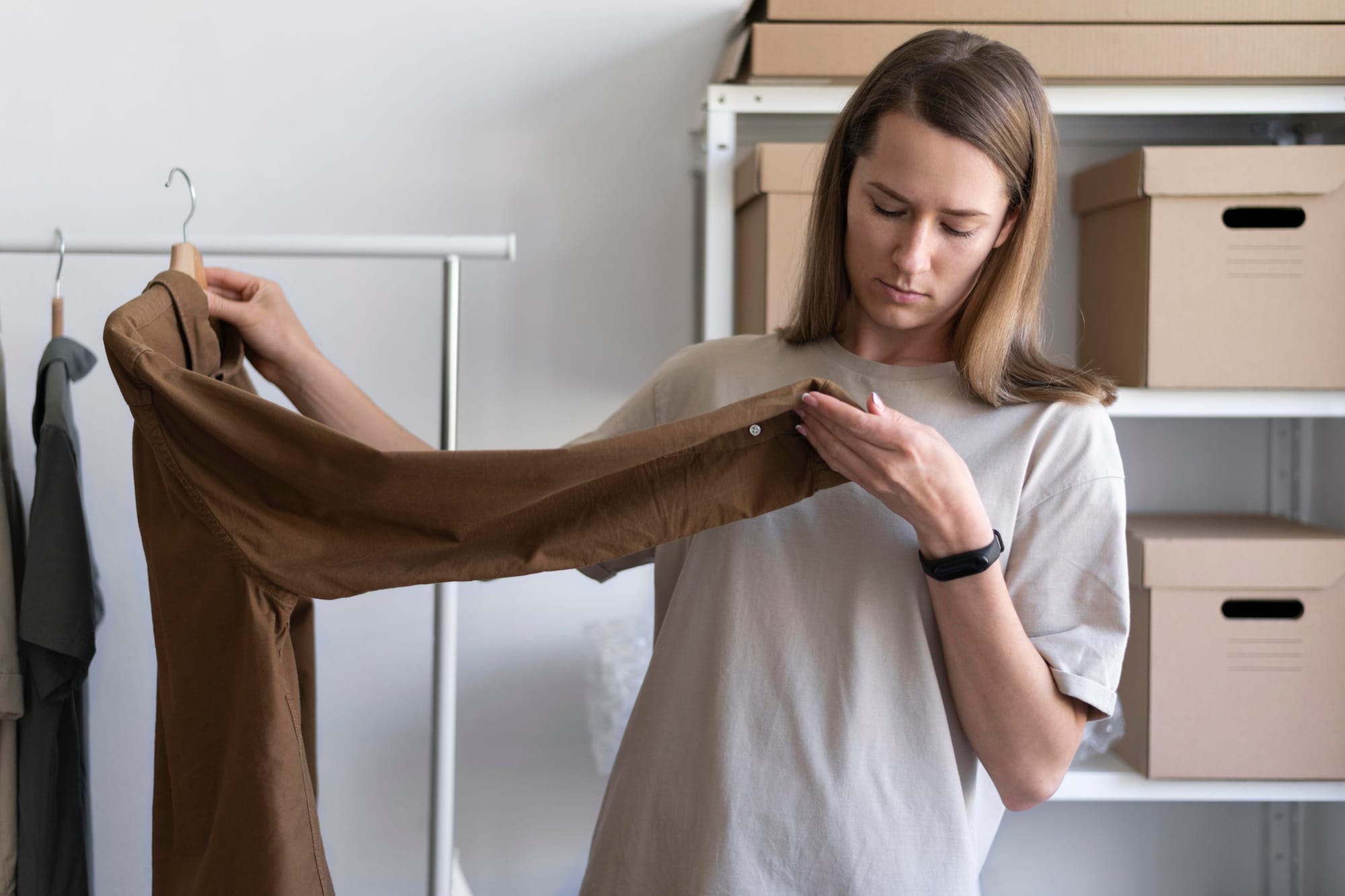
Physical and AI-assisted authentication are meant to complement rather than compete with each other.
Physical authentication, by experts who have spent years honing their craft, remains important, especially in luxury resale. Only a person physically handling an item can examine things such as its feel, texture, construction, and other details that may not be fully captured in a photograph.
This kind of authentication does take time and effort, from shipping items for authentication to the training and expertise required from authenticators.
AI-assisted authentication is faster and easier to scale. It can be done using digital information and can help identify patterns, flag discrepancies, and warn sellers or buyers of possible problems.
But sellers shouldn't treat an AI authentication as absolute truth. AI can be a useful part of the authentication process, but physical examination and human expertise still have an important role, particularly when the item's value or counterfeit risk is high.
The level of authentication ultimately depends on the item, its value, its counterfeit risk, and the options available to the seller. A high-ticket luxury item may need a combination of physical and digital verification, while a lower-value item may benefit from a more accessible authentication process built into the marketplace.
The goal isn't to authenticate every item in exactly the same way. It's to have a reasonable way of verifying what you're selling.
Authentication in online reselling: the verdict
Authentication is now a need, not a nice-to-have feature. Though many authentication services have traditionally focused on high-ticket items, buyers still want genuine products from brands they trust, even when those products aren't particularly expensive.
For resellers, authentication helps reduce uncertainty for buyers and gives them another reason to trust a listing. It can also help sellers avoid the consequences of counterfeit sales, including disputes, returns, and damage to their reputation.
Technology has made authentication more accessible and, while physical verification remains an important safeguard for items that warrant closer examination. Marketplace authentication can make the process even more convenient.
In the end, authentication is about more than proving an item is real. It is about showing buyers that the reseller is willing to stand behind what they sell.