What Sells in December (and What Absolutely Will Not, No Matter How Much You Love It)
by Joem Castones •December 24, 2025

December has a way of humbling even the most confident reseller. It changes how people shop in a way that is both obvious and somehow still surprising every single year. Items you’ve sold a dozen times before suddenly sit untouched, while something you listed without much thought disappears overnight. It’s like the market is quietly judging you. But the season has very little to do with in fairness or consistency. It operates on a different set of rules, and most of them have very little to do with quality of what you’re selling.
For most of the year shopping is aspirational, with people scrolling for curiosity, for a version of themselves they imagine later. But in December, people stop asking themselves what they want and start asking what they need to be done with. They are solving problems as they shop with deadlines, expectations, and other people in mind. That shift alone explains almost everything that follows.
This is why the month’s sales feel erratic if you are looking at them through the lens of the rest of the year. It feels personal until you realize buyers are not evaluating items the same way they usually do.
Things That Look Like Gifts Without Explaining Themselves
They are looking for objects that can survive a social interaction.

What sells in December tends to be things that require very little explanation. Items that look like gifts even before you wrap them. Home goods do especially well for this reason, often outperform the more interesting pieces. Mugs, glassware, serving dishes, trays, candleholders. These are objects that feel safe because they don’t need a long backstory. They look like something someone would open, nod at, and say thank you for. No personality test required. No sizing stress. They photograph cleanly, they make sense quickly, and feel neutral enough to give without knowing someone deeply.
Most shoppers are tired, so the safer item wins. In the Christmas season, visual clarity matters more than uniqueness. If a buyer has to imagine how it becomes a gift, they’ll move on.
Things That Are Obvious About What They Are
This is not the month for subtle knits or exquisite silhouettes. It is the month for sweaters that look like sweaters. Chunky, oversized, vaguely festive, aggressively cozy. Anything that reads as warm and intentional does well, especially if it looks like something you’d wear while drinking something hot and pretending to enjoy a family gathering near a tree.
Shoppers like things that look finished. A set rather than a single piece. Anything that signals warmth, comfort, or festivity without asking the buyer to imagine too much. Meanwhile, the beautifully tailored cardigan in a neutral tone may quietly rot in your closet until February. Not because it isn’t good, but because it doesn’t scream December. If an item doesn’t instantly suggest a holiday scenario, it gets ignored more often than not.
Items That Feel Like Traditions, Even If They Aren’t
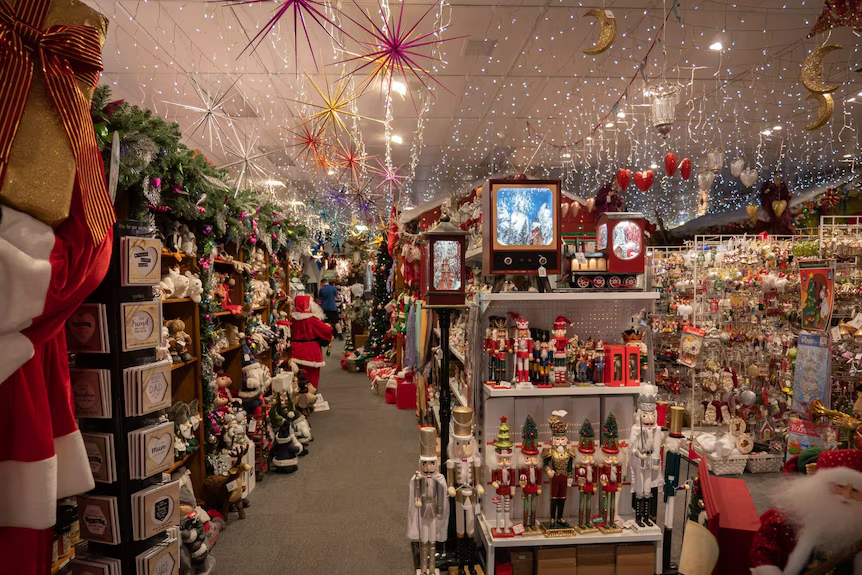
Ornaments, holiday dishes, seasonal linens, novelty bakeware. These sell because they tap into repetition. Buyers aren’t just purchasing an object, but continuity. Even if it’s their first year owning it, the item feels like something that could have always existed in their family.
This is also why vintage Christmas items do so well. These items arrive with built-in nostalgia even if the buyer has never seen them before. They feel familiar, like a memory that could have existed in a home forever. Shoppers trust that feeling—and objects that seem like they’ve already survived other holidays.
Ugly Christmas Stockings and Joke Items That Commit Fully

Irony is currency of the season. Ugly socks, novelty pajamas, ridiculous mugs, and anything that feels intentionally bad thrives because it removes pressure. The buyer doesn’t have to worry about taste if the item is clearly in on the joke.
On the contrary, half-committed novelty items don’t do as well. The plush hoodie that’s kind of festive but also kind of normal confuses people. December rewards confidence. Items that know what they are and do not pretend otherwise sell because they are honest. Be ugly on purpose or don’t bother. Buyers respect that.
Small Items That Feel Thoughtful but Not Intimate
There is a sweet spot between generic and personal. Anything too intimate struggles. Clothing that requires precise sizing. Items that reflect a very specific lifestyle or personality. Shoppers don’t want to risk getting it wrong. They want items that politely fit into someone else’s life without demanding space.
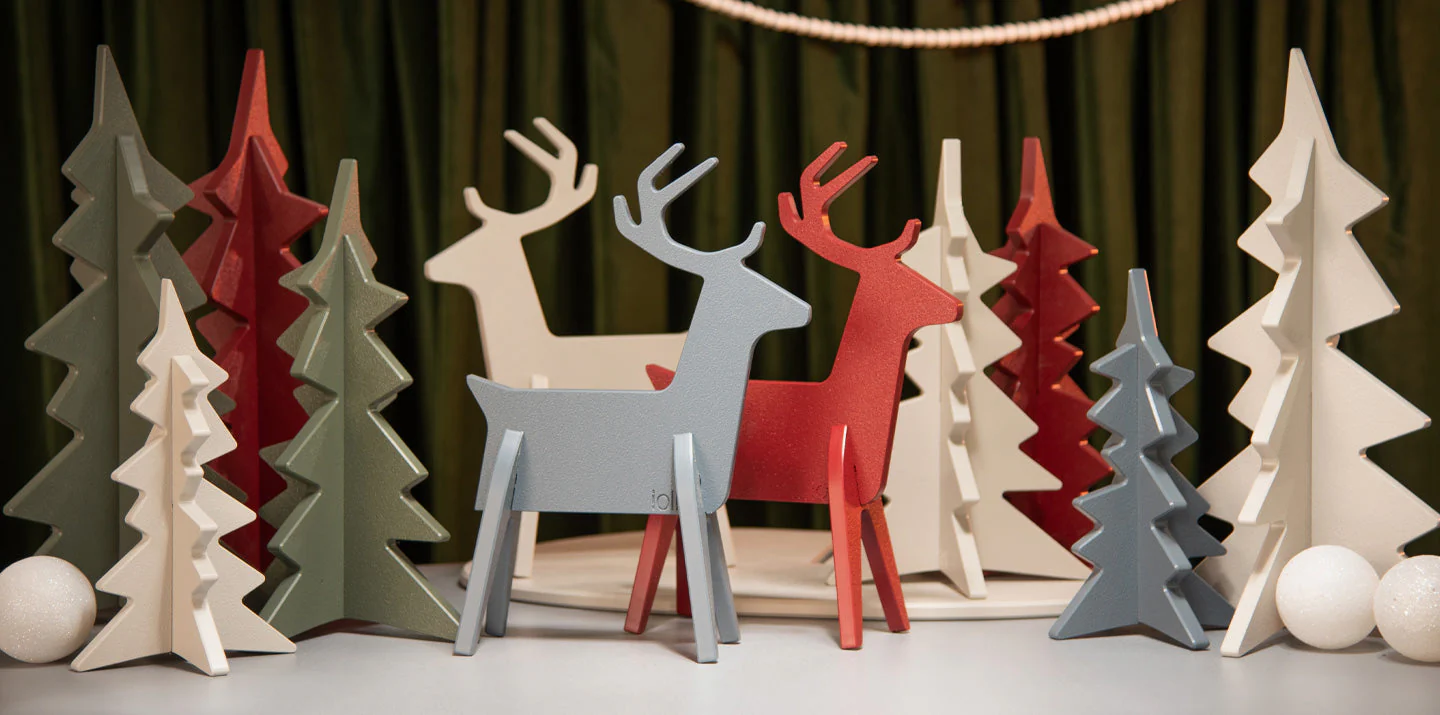
Scarves, hats, throw blankets, simple jewelry, coffee table books. These items feel considered without being emotionally loaded. Things that say “I tried” without saying “I assumed a lot about you.” These items feel intentional without feeling invasive. Buyers are trying to get through a list, not make a grand artistic statement.
The holiday season looks obvious in hindsight. Items that are easy to understand, easy to give, easy to justify. Not necessarily exciting, not necessarily rare, just socially legible.
What Absolutely Will Not Sell in December
December is brutal to anything that requires patience.
Subtle, interesting items that require explanation tend to stall. If an item needs a paragraph-long description to make sense, it’s already losing. Not because they are bad, but because they ask too much of someone who is already tired. If an item needs styling to make sense, it will struggle. If it feels like a personal indulgence rather than a gift, it will struggle.
This is where many sellers get confused. They look at an item and think it is great. Well made. Unique. Their taste all over it, only for it to sit there. Because buyers are not shopping for taste. They are shopping for appropriateness. December is not the time for nuance. That cool, weird piece you love because it’s unique will probably have to wait.
Not forever. Just until the world slows down enough to appreciate it.
High-Quality Basics With No Seasonal Signal
High quality basics often underperform for this reason. The minimalist dress. The beautiful but plain leather bag. These items do not feel celebratory or urgent. They’re just psychologically invisible in December. They feel like things you buy for yourself when life slows down and you have space to want things again.

These pieces often sell immediately in January, which is what makes it so misleading that sellers start questioning inventory.
In effect, the holidays are also unforgiving to niche. Items that appeal to a specific aesthetic, subculture, or lifestyle tend to wait. Buyers do not want to risk getting it wrong. They are already nervous about shipping deadlines and wrapping paper and whether they remembered everyone. They couldn’t be bothered deciphering a piece that only makes sense to a certain type of person.
Large, Heavy, or Complicated Items
There is also a category of items that suffer quietly during the Christmas season. Big, heavy items, especially fragile ones, or anything that introduces shipping stress becomes less attractive as deadlines approach. Even if the price is good, the mental cost feels too high.
‘Tis is not the season for logistics. Shoppers are allergic to friction. They want clean transactions. Anything that feels like work loses out.
Items That Feel Like Self-Purchases, Not Gifts

This is the month when people are shopping for obligation. Items that feel indulgent, experimental, or deeply personal don’t especially align with that mindset. After all, these things feel like self-purchases. Interesting but impractical. They make sense when you visualize them in your own life, but feel awkward when you think of handing them to someone else.
That doesn’t mean people aren’t buying for themselves at all. It means they want plausible deniability. The purchase still needs to look like it could have been for someone else.
This is usually when sellers start blaming platforms. Or the algorithm. Or the economy. But most of the time, the item is fine. December just does not want it.
The market is not rejecting you. It is ignoring you because it is busy.
The Part No One Wants to Admit
The whole month of December is a reflection of timing. Some items are meant for it. Some items are absolutely not. Forcing every item into this month’s rhythm is how sellers burn out. Tweaking listings that are not broken. Personalizing silence that has nothing to do with them.

December is hectic, frenetic, and emotionally specific. It favors clarity over creativity and reassurance over originality. Understanding this makes it easier to survive. You stop staring at statistics. You stop negotiating with listings that are not ready. You stop letting one slow month rewrite your confidence.
Not everything is meant to sell right now—and in no way does it define your skill as a seller, but rather your timing. And timing, like the holidays themselves, is temporary.
Not sure you're getting the best deals? SellRaze keeps your inventory in sync and helps you track competitive pricing, so you never miss out on a sale. Start optimizing your listings today!