Thrifting from Estate Sales: What's The Deal?
by Jasmin Mipaña •January 6, 2026

Like a garage sale, but you shop the whole house.
The thought of going into one fascinates me to no end, though. Imagine a house full of items to thrift - from the living room up to the innermost bedroom-it’s like stepping into someone’s life, admiring their taste, getting a glimpse of how they lived.
Then you get out with a few treasured items or a U-haul full of thrifted stuff (whichever your budget allows). Sounds like a dream, isn't it?
While I can’t for the moment indulge my fantasies of going to an estate sale, being prepared for one certainly helps. Let’s explore the nitty-gritty of an estate sale. We’ll deal with:
- What is an estate sale
- The legalities of buying
- Top items to pick
- Items to skip
- Estate sale red flags
- Making the most out of your estate sale shopping
Read along so that you’ll be ready for any estate sale nearby and even if you’re a regular buyer at one, you might pick up a few ideas to add to your estate sale shopping checklist.
What is an Estate Sale?
An estate sale, according to Charles Schwab, is a public sale of one’s personal belongings, and more often includes the house and all that’s inside the house. Often, the reason for having an estate sale is when someone (the owner, particularly) dies and the properties inside the house need to be sold following estate affairs. This kind of estate sale is referred to as a liquidation sale.
Some also conduct estate sales as a result of downsizing, e.g, the seller is moving into a smaller house, or trying to lessen maintenance costs that come with many items (like appliances) inside the house. Also called a living estate sale, this happens when the owner is still alive.
High-end estate sales, on the other hand, have many branded and high-value items for sale. Companies manage this kind of sales, wherein they curate items and sell them to collectors and other interested individuals, either in a private sale or in an auction.
Items sold in an estate sale range from furniture to small items like home decor and kitchenware, to even personal possessions like watches, clothes and even handkerchiefs. Each item is priced accordingly and negotiations are usually allowed.
Estate vs Garage Sale
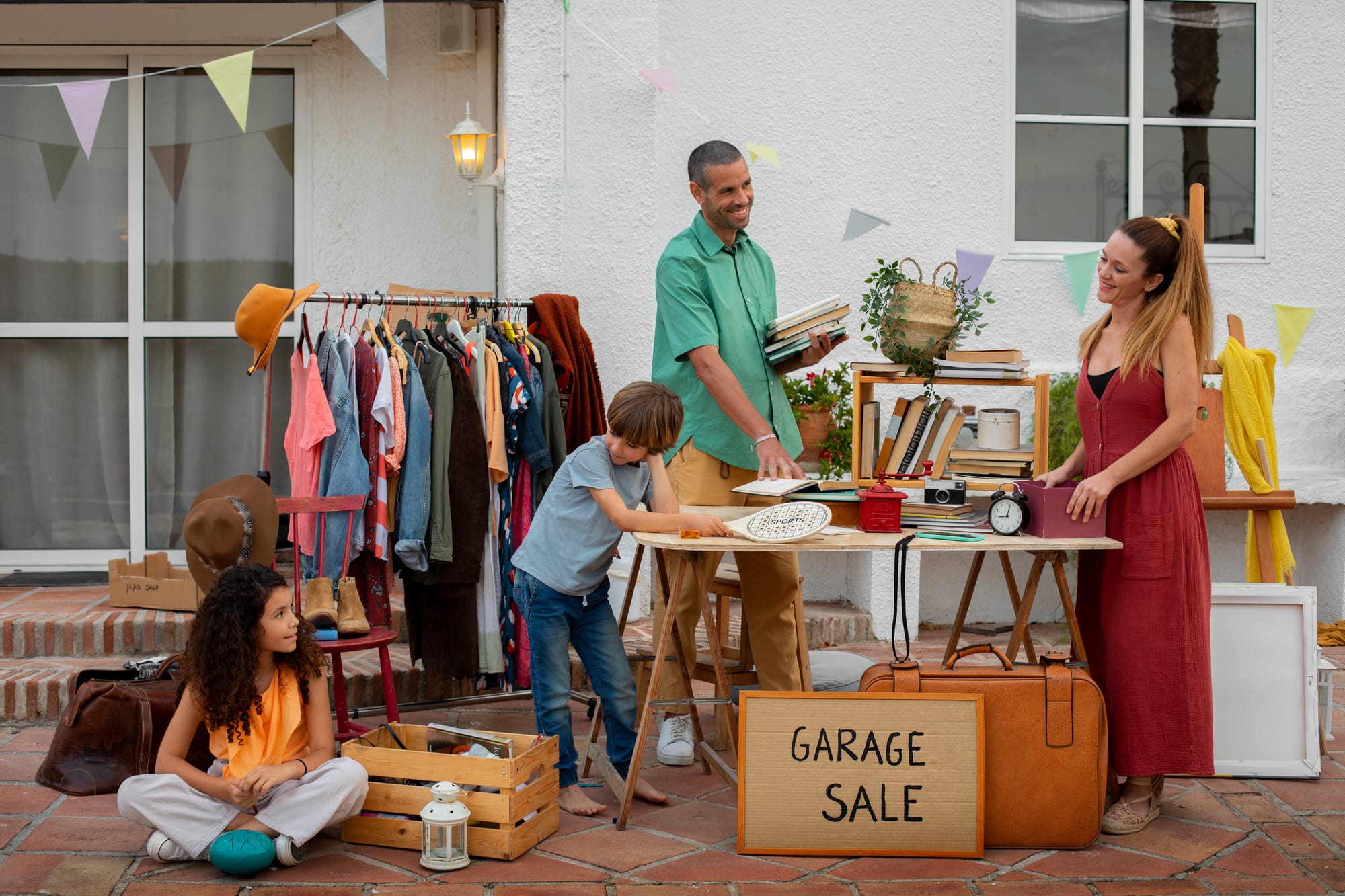
Estate sales cover a large quantity of items/properties in a home, unlike in a garage sales where owners simply put out items that are unused/unwanted for extra money and more space. Often, the goal of estate sales is to turn all properties into money.
Estate sales require buyers to go around the house and pick pieces that they like, displayed in its original location, whereas garage sales are displayed in the garage or a similar space where the buyers can choose their items.
Why Estate Sales are Popular?
Estate sales appeal to buyers for the following reasons:
- Unique finds: Estate sale items are usually not available in thrift shops.
- One sees the item’s context: The buyer sees the item in its original condition and location, getting a feel of how it should be used. For example, a painting sold in an estate sale that is displayed in a living room gives the buyer a visual idea of how to hang it in its house, compared when it was bought from a stack of paintings at the thrift shop.
- An entertaining, history-filled way to shop: Unlike shopping for brand-new items, an estate sale allows buyers to have a first-hand glimpse of the house and know the history behind each item (who owns it, is it a favorite, where was it bought etc.)
- Sustainable shopping: Though some estate sales comes with a relatively higher price for its items (especially for vintage ones and estate sales run by wealthy people), it is still considered second-hand shopping. Items that tend to be stored away unused gets a second life.
The Legalities of Buying from an Estate Sale
Estate sales are carefully organized by the executor, or simply put, the person authorized to turn the properties into money. This could be someone named in the last will and testament in case of a liquidation sale, or the owner themselves in a downsizing/moving estate sale. Legal papers like wills and estate inventories determine what can be sold or not. Taxes are also computed before the estate sales begin, to help with proper pricing.
Tip: Ensure that the seller has the proper authority to price and sell items in an estate sale before attempting to buy anything.
Top Items to Pick at an Estate Sale

Furniture
Vintage furniture are often found in estate sales, and so are newer but still good-quality pieces. These pieces have a certain charm that can’t be found in new furniture. Artistic pieces like unusual coffee tables can be a conversation starter for your house or a profitable item for thrift-flipping.
What to look for:
- Solid wood materials (like oak, teak, mahogany)
- Superior craftsmanship and detailing; sturdy joints, strong seams
- Minimal scratches and damage; replaceable hardware
What to skip
- Pieces made from MDF or particle board
Vintage Jewelry and Accessories
Each estate sale offers a (literal) treasure box of jewelries. Take your time to check pieces; you might come across rare designs, expensive gemstones, and collector’s items. Aside from having a history, these items can also appreciate with time and much cheaper to purchase in an estate sale compared to an in-person store.
What to look for:
- Precious metals: Opt for at least 14K in gold jewelry, and “925” for sterling silver. These are more valuable compared to other metals.
- Good condition: Some pieces need a little cleaning, especially gemstones. As long as there are no missing stones, broken clasps, or hopelessly tangled chains, you’re fine.
- Designer jewelry: Brands like Cartier, Tiffany & Co/ similar ones, especially when vintage, can be resold for a higher price.
What to skip
- Broken pieces
- Cheap costume jewelry
Antiques and Other Collectibles

An estate sale is a collector’s dream. Antiques and collectibles come with stories that make both sellers and buyers beam with pride.
What to look for
- Rare items: Go for first editions or limited editions. Items no longer produced are of higher value. Older items are well sought after, too.
- Condition: Items can have acceptable issues, especially older ones. Collectibles like board games must be complete.
- Historical background: If the item was possibly owned by someone famous or came from a historically significant place, then it’s a good pick.
What to skip
- Items in deteriorating condition
- Common, mass-produced items
Designer Clothing and Accessories
Shopping at estate sales is a great way to score designer finds. Look for classic silhouettes that go with your current wardrobe pieces.
What to look for
- Good quality accessories such as slightly worn bags, belts, coats and shoes.
- Classic pieces from brand names (like a Chanel bag)
- Other vintage pieces (like a Vintage Levi’s from the 1960s-70s)
What to skip
- Possible counterfeit items/dupes (they won't be as good as the original)
- Poorly damaged pieces
Items to Skip at Estate Sales
Not everything is a bargain at an estate sale; be wary of buying something you can buy for cheap elsewhere. Also skip items that might be a health concern.
- Items that are too damaged for restoring or upcycling
- Food, even if stored in the freezer
- Intimate toys and underwear
- Common household items you can affordably buy new
Estate Sale Red Flags

You might want to reconsider making a purchase when you see these signs:
- Price inconsistency, or not priced at all. Skip buying if items are being marked up or down suddenly for no reason.
- Display disorganization. No signages, no inventory list, items haphazardly tossed in a corner=not worth it.
- No legal papers confirming ownership: Just don’t. Not worth the headache.
- Overly emotional or aggressive seller: they might not be ready to make a sale, and could possibly come after you. Quite a red flag, especially if you plan to resell what you buy from them.
Making the Most of Estate Sale Shopping
Here’s how to get the best deals when doing estate sale shopping:
- Arrive early: Beat the crowd and get first dibs on the sale items.
- Shop late, when the estate sale is about to end: This tip might seem contrary to the above, but being at a time when the estate sale is about to close makes the seller eager to get rid of the item and sell it for a lower price.
- Research, research, research: Some estate sales have photos of their items online.
- Bring cash: Paying in cash makes for faster transactions.
- Negotiate nicely: If you want a lower price for an item, negotiate in a calm, unoffensive way. This is particularly true for elderly or emotional sellers.
- Bring your own bags: Just in case they don’t have enough for buyers.
- Stick to the budget: Whether you buy for your own use or for reselling, a set budget keeps overspending at bay.
- Don’t rush: Enjoy estate sale shopping like you would do with regular thrift shopping. Compare items and quality before making decisions
The Bottomline
Estate sales are a leveled-up secondhand shopping experience, one that’s truly worth trying. With these tips, we hope you’ll make the most of an estate sale you’ve been planning to visit, and score great items for your home or for reselling.
SellRaze helps resellers make sales fast-with its AI-powered listing features, your listings are immediately live in several platforms without spending a lot of time perfecting descriptions. Crosspost with a toggle of a button. Sell with ease, sell with SellRaze.