The Thrift Store Aisle That Pays Your Bills (And the One That Doesn't)
by Eric Emmanuel Corrales •September 3, 2026
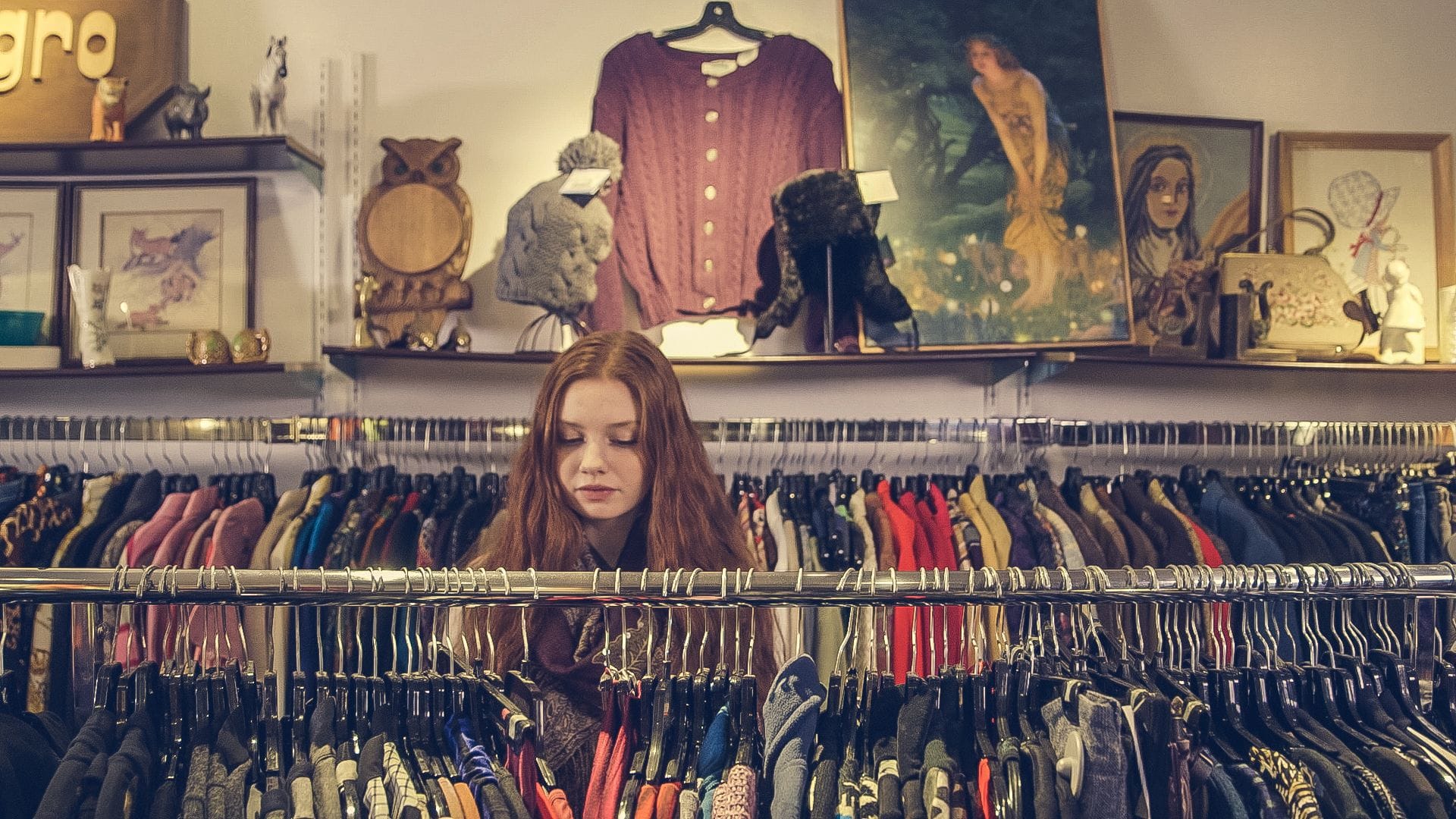
Thrift stores are simultaneously the most accessible and most misunderstood sourcing channel in reselling. The upside is obvious — low entry cost, no minimum orders, a new selection every visit. The downside is less discussed: most of what's on those racks isn't worth buying for resale, and sellers who haven't developed an eye for what the best items to source from thrift stores look like end up with a garage full of things nobody wants at any price.
The gap between a profitable thrift sourcing routine and an expensive one is category knowledge. Knowing which brands to look for, which items have consistent resale demand, and which categories look appealing but underperform is what turns a thrift store run into a sourcing session rather than a shopping trip.
This guide covers the best items to source from thrift stores in 2026—specific categories, specific brands, and the sourcing habits that make the difference.
Why Thrift Sourcing Still Works in 2026
The secondhand market is valued at approximately $77 billion and growing at roughly 15% annually through the next five years. More buyers are shopping secondhand than ever. That's good for resellers—but it also means the easy era of finding valuable items for nothing is largely over in most markets.
Thrift stores, particularly Goodwill, which reported a 20% increase in sales from 2025 to 2026, have gotten better at recognizing brand value. They price recognizable labels higher than they used to. Some locations use eBay sold comps to set prices on electronics and collectibles. The era of a Patagonia fleece sitting on a rack for $4 is mostly behind us in urban markets.
That said, the best items to source from thrift stores still appear—regularly, in most markets—for sellers who know what to look for and shop with enough frequency to catch them. The sourcing routine matters more than any single find, and the best selling item is often the one you almost passed on. Category knowledge is what makes the difference between passing and picking up.
Clothing: The Highest Volume Category
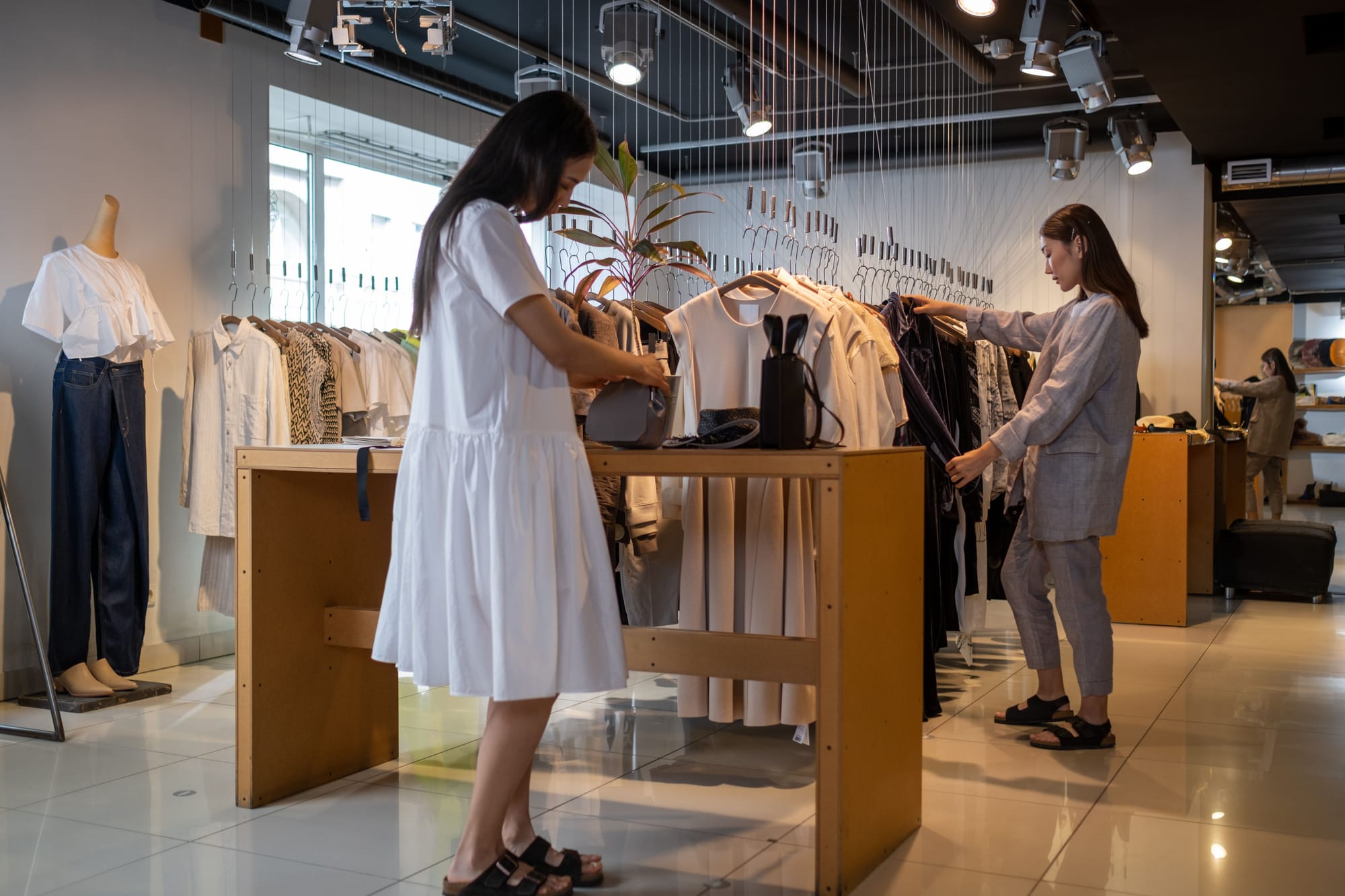
Clothing is the most common category for thrift store sourcing, and the gap between what performs and what doesn't is wider here than anywhere else. Most clothing in a thrift store is not worth buying for resale. The best items to source from thrift stores in clothing share one trait: recognizable brand names that buyers actively search for.
Denim is the most reliable clothing find in thrift stores. Levi's 501s in good condition source for $4–12 and sell for $45–75 depending on cut, wash, and size. Vintage Wrangler and Lee also have active buyer communities. The key details to check: button fly vs. zipper (button fly commands more), waist and inseam measurements (measure before leaving the store), and condition of the back pockets and knees.
Outdoor and athletic brands. Patagonia, The North Face, Arc'teryx, Carhartt, and Columbia are the names that appear most frequently in BOLO (Be On the Lookout) brand guides for thrift sourcing. A Patagonia fleece purchased for $15–20 at a thrift store can sell for $55–90 online. Arc'teryx pieces—if you find them—can go higher. The condition check: zipper function, pilling level, and any logo damage.
Lululemon. One of the most reliable brands for thrift-to-resale margin in the athletic category. Lululemon leggings sourced at $8–15 regularly sell for $45–70. The specific styles matter—Align, Wunder Under, Speed Up have established buyer demand. Check for pilling on the inner thighs, fading on black fabrics, and waistband integrity.
Vintage band tees and graphic tees. Authentically vintage band tees—pre-2000s, with specific markers like the label, screen print texture, and fabric weight that distinguish genuine vintage from reproductions—can source at $2–8 and sell for $40–150 depending on the artist and era. This category rewards knowledge more than any other in thrift clothing sourcing.
Thrift store items that look good on Instagram but not on eBay is worth reading specifically to understand the other side of this category—the pieces that photograph beautifully but have no resale market. Aesthetic appeal and resale value are not the same thing.
Electronics: High Margin, Higher Stakes
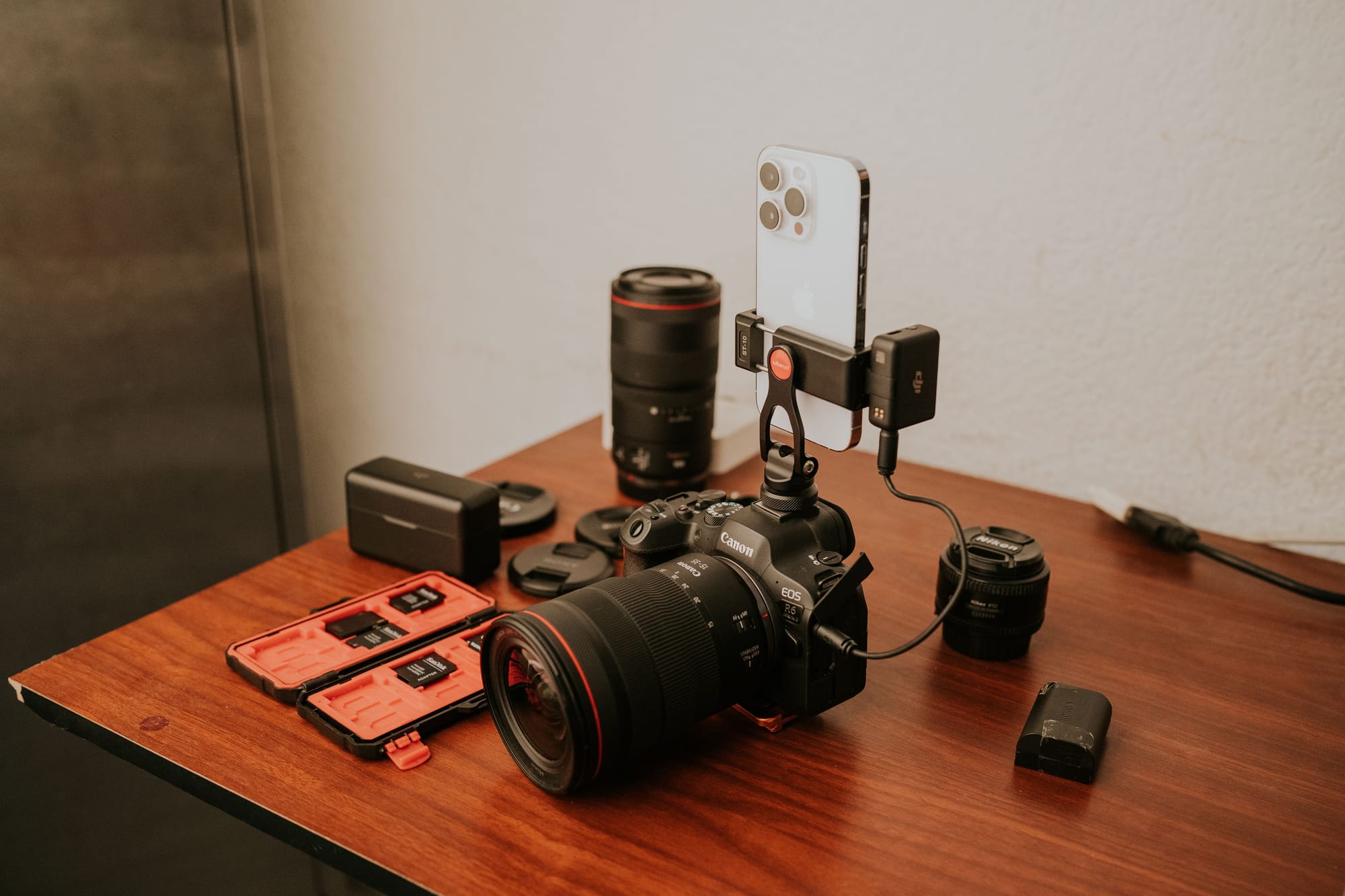
Electronics are among the best items to source from thrift stores for margin potential—and among the most unforgiving for sellers who skip the condition assessment. The sourcing rule: test everything that can be tested before leaving the store, or at minimum, buy only from thrift stores that have a return policy.
Vintage cameras and lenses. Film cameras have had a sustained cultural revival and show no signs of slowing. Canon AE-1s, Nikon FM2s, Pentax K1000s, and Minolta X-700s are the specific models with the strongest buyer demand. Source at $8–40, sell at $80–180 depending on condition and what's included. A lens without a camera body can often sell for more than the body itself in certain focal lengths. Check the shutter fires (hold to your ear and listen for the click), check the lens for internal haze or fungus, and check film advance mechanism function.
Audio equipment. Vintage receivers and amplifiers from Marantz, Pioneer, Sansui, and Kenwood have dedicated audiophile buyers who pay meaningfully for units in working condition. A Marantz 2270 receiver that costs $35 at an estate sale or thrift store can sell for $300–500 on eBay. The sourcing challenge: these are heavy, testing requires speakers, and transport is more effort than soft goods. For sellers who can manage the logistics, the margin is exceptional.
Gaming accessories. Controllers, especially for older consoles (SNES, N64, GameCube), source low and sell reliably. Complete game cartridges with original packaging are worth checking—a complete-in-box N64 game can fetch multiples of its loose cartridge value.
Home Goods: The Underrated Category
The best items to source from thrift stores in home goods are ones that buyers recognize by name, which narrows the category considerably but produces consistent margins when you find the right pieces.
Cast iron cookware. Lodge, Griswold, and Wagner pieces appear in thrift stores regularly, often priced without recognition of their collector and practical value. A pre-seasoned Griswold skillet sourced at $12 can sell for $80–200 depending on the size and markings. Check for cracks (run your finger along the entire surface), warping, and pitting. Light rust is cleanable and doesn't reduce value significantly.
Le Creuset and Staub. French enameled cookware thrift store finds are the holy grail of kitchen sourcing. Le Creuset Dutch ovens sourced at $20–40 sell for $100–250 depending on condition. The enamel chip inspection is critical—chips on the cooking surface affect function and value, chips on the exterior don't.
Pyrex and vintage glassware. Patterned Pyrex from the 1950s–70s (Gooseberry, Butterprint, Spring Blossom) has an active collector market. A four-piece Pyrex mixing bowl set in a desirable pattern can sell for $60–120. The key: pattern rarity matters more than condition for some collectors, though chips and cracks are significant negatives.
Silver and silverplate. Sterling silver items should be checked for hallmarks—"925" or "Sterling" indicate genuine silver with real melt value regardless of style. Silverplate has lower intrinsic value but still sells to buyers who want the aesthetic. A simple hallmark reference card or phone app makes this check fast.
Books and Media
Books are a lower-margin category that works at scale rather than per-item. The exceptions—first editions, signed copies, out-of-print specialty titles—are worth knowing and worth the few extra seconds of phone research per book.
Textbooks. Scan the ISBN of any textbook on eBay's sold listings before leaving the aisle. Current-edition textbooks that retail for $80–180 new source at $1–4 and sell for $30–90. The edition check is non-negotiable—one edition old can mean the value drops to $0.
Vinyl records. Condition of the sleeve and the record itself determines everything. Albums in VG+ or better condition from artists with collector followings can source at $2–5 and sell for $20–60. A price guide app or Discogs mobile access makes this research fast enough to do in the aisle.
Tools: The Most Underrated Category
Tools are consistently cited as one of the best items to source from thrift stores for new resellers specifically—because competition is lower, condition is easier to assess visually, and brand value is more transparent.
American-made hand tools from before 2010 carry collector and practical value that thrift store pricers often don't recognize. Snap-on, Mac Tools, Craftsman (vintage, pre-Lowes acquisition), and Stanley tools from earlier decades command premium prices among mechanics and collectors. Power tools from DeWalt, Milwaukee, and Makita in working condition sell reliably at 50–70% of current retail.
The unorthodox sourcing mindset applies here: estate sales and garage sales consistently outperform thrift stores for tools specifically, because families clearing out a workshop often have no idea what a vintage Snap-on socket set is worth.
What Not to Source From Thrift Stores

Knowing the best items to source from thrift stores also means developing a clear sense of what to pass on. A few categories that look appealing and consistently underperform:
Generic clothing without brand recognition. A nice-looking blouse without a recognizable label is nearly impossible to list profitably. Platform search algorithms reward brand names. Items without them are invisible.
DVDs and standard CDs. Physical media markets have largely collapsed for standard releases. Rare, out-of-print, or collector-grade discs are exceptions, but they're genuinely rare.
Furniture from thrift stores. Shipping is prohibitively expensive for most pieces. Local Facebook Marketplace competition is intense. The margin rarely survives the logistics unless you're selling locally.
Fast fashion items. Shein, H&M basics, Fashion Nova—these items have almost no secondhand resale premium. The original retail price is too low for the secondhand market to add meaningful value.
The Sourcing Habit That Makes It Consistent
The best items to source from thrift stores don't appear on a schedule. They appear to sellers who show up regularly, know their categories deeply, and can make a purchase decision in thirty seconds based on actual sold listing research rather than gut feeling.
How to source inventory for reselling covers the broader framework, but the thrift store version comes down to a few habits: go to the same stores on consistent days so you see what rotates in, check sold listings on your phone before buying anything above $10, and have a floor price in mind for your time before you enter the store.
The downside of thrift sourcing that doesn't get discussed enough: the deathpile. Items that looked promising at the store and then sit unlisted, indefinitely, are a real operational risk for thrift resellers. Buying more than you can list is as problematic as not buying at all.
For a broader look at thrift store flipping as a business model—including tax considerations and whether it works at different income targets—external guides cover the financial structure in more depth.
And for context on which thrift finds should always be bought regardless of whether you're reselling—items with consistent high-to-low price spread that appear frequently enough to be reliable inventory—the pattern is consistent with the categories above: brand-name clothing, cast iron, vintage cameras, and quality tools.
Building a Thrift Sourcing Routine
The best items to source from thrift stores don't require rare luck—they require consistent presence, category knowledge, and a willingness to pass on 95% of what's on the racks in order to pick up the 5% worth buying. That ratio is normal, not discouraging. A single Patagonia fleece at the right price justifies a full store run. A pair of Levi's 501s and a vintage Pyrex bowl make it a good day.
The sourcing routine compounds. The first few months involve slow, deliberate research on every potential buy. A year in, the same assessment takes seconds. That speed is what makes thrift sourcing genuinely scalable—not as an individual category, but as a consistent piece of a broader sourcing strategy.
If you're moving thrift store finds across multiple platforms and want listing and inventory management to take less of your time, SellRaze is worth exploring. Built to take the operational side of multi-platform reselling off your plate.