Six Items You Should Never Buy at the Thrift Store
by Jasmin Mipaña •November 18, 2025
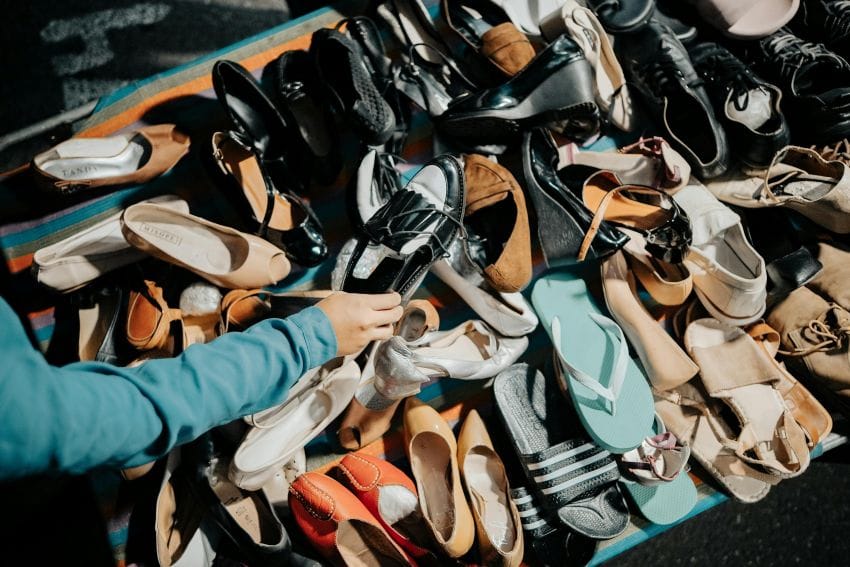
Buy these items new instead.
More than being an environmentally friendly practice, thrifting also lets you save a lot. You can buy pre-loved stuff for less and still be happy about it. But on what items should you draw the line?
We scoured the Internet for answers on what we should always skip thrifting, and found six items that should not make its way into your thrifted collection.
What Thrift Store Items to Avoid
Swimsuits and Underwear
A 2021 study revealed that unwashed secondhand clothes are likely to have parasites that are highly contagious. Dermatitis and scabies are some common skin conditions one could get from wearing dirty, thrifted clothing. While you might argue that hot water and detergent can certainly kill most microbes and parasites, the idea of having potentially contaminated clothing next to your skin is icky for most people.
Potentially Fake Designer Items
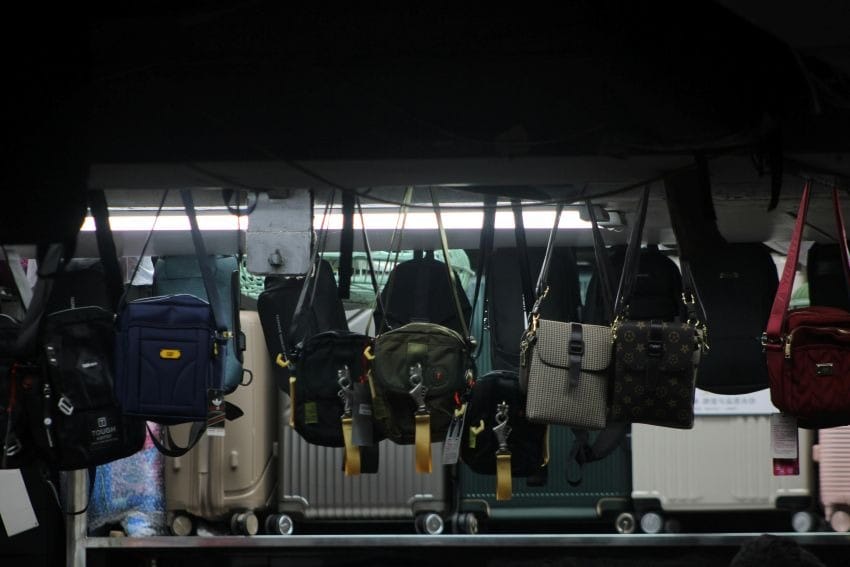
Photo by Jahra Tasfia Reza on Pexels
It’s just your luck today! Scouring the racks, you find an unbelievably cheap designer piece of clothing in good condition. While it is possible to find designer items at the thrift store (last season ones, and even vintage finds), fakes are also abundant; even those with tags that say the brand itself. An article from Michigan State University Magazine mentions buying counterfeits make you end up wearing something that:
- Is made of harmful synthetic materials
- Made by trafficked people handled by criminal organizations
- Harms the economy by taking sales from legit businesses
None of us want those things to happen, even for a brand-new clothing item, a bag, or a pair of shoes.
So before you jump up and down in joy for scoring branded clothing, Tiktoker Kelsey of @kelseyolivethrifts offer clues on finding real designer items:
- Tags made of luxurious fabrics. If it's made from synthetic materials, then it’s likely fake.
- Hardware. Chances are, if the zippers, buttons, and clasps don’t feel heavy or cool to the touch, they might just be made from plastic and therefore, not authentic.
- Seams and hems. Kelsey mentions that designer labels have good quality hemming and lining. If the item in question does not have these qualities, maybe it’s time to return it to the hanger.
Overused Running Shoes
Popular shoe brand ASICS mentions in their blog post that running shoes usually take around 2–4 weeks before being properly broken in, meaning the shoes has finally conformed to the wearer’s feet. If you buy something that’s been worn more than the period of time mentioned (though there’s no way you can know how long the shoes have been worn unless the owner gives you some numbers), the less likely it will hug your feet’s contours and may not offer the support that you need.
You’ll know it’s overused when:
- Has unevenly worn down soles or the treads are worn smooth
- Is starting to fray, especially at the heels and outside stitches
- Makes you feel unsteady when you wear it
A Reddit user on the r/thrifting subreddit, a nurse working with a podiatrist, said that wearing shoes that have molded to other feet may cause gait problems. You’re thrifting to save money, not to feel pain and gain medical bills.
Also, avoid smelly shoes at all cost! Mold and bacteria likely made their way deep into the layers, and you may need to take it for professional cleaning. The extra bucks you saved might just be spent on a cleaning service instead.
The same goes for other kinds of shoes-if it makes you unstable on your feet, even if it still looks great, it’s better to stick to buying brand new.
Heavily Stained Fabric
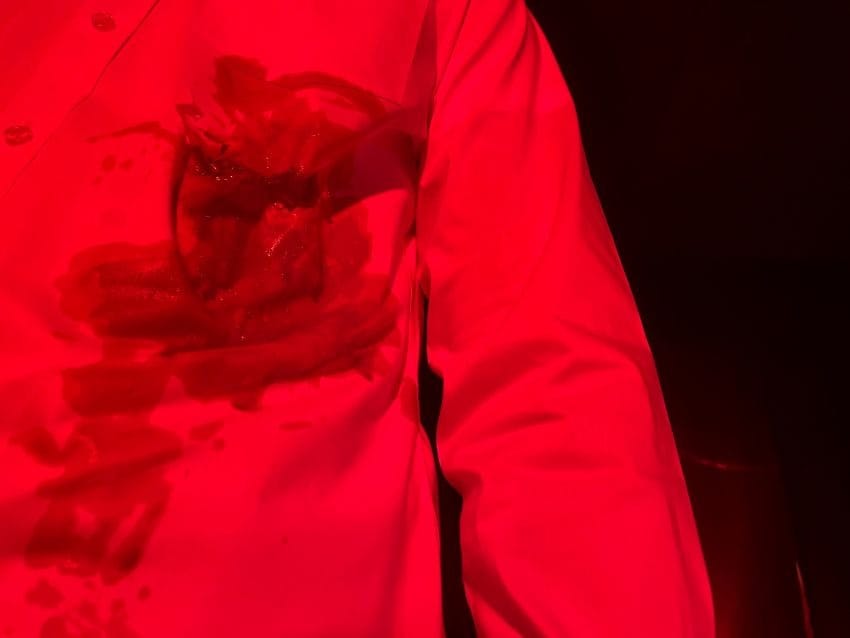
Photo by Osarugue Igbinoba on Unsplash
Do not-and we mean it-be deluded that you can remove a massive stain of an unknown origin just because you are in love with a piece of clothing. Chances are, you might fail to remove it and the dress you have high hopes for in the thrift store will end up back in the donation bin.
These stains have been sitting in the fabric for who knows how long, and may have stains from multiple chemicals or products. Some items might have been spilled with sauces or drinks and stayed unwashed for quite some time, lowering further the cloth’s quality. At times, the stains might even be a breeding ground for molds and insects.
Unless you are an expert in stain removal, choosing to gamble on a stained item may not always be rewarding.
Related: Stain Removal Guide
However, if you like making new clothes out of interesting fabrics and patterns, you might be able to get away with cutting the stains out and repurposing your thrifted clothes. An example of this is Poppy Lu Clothing, which specializes in making new items from thrifted bedsheets, crocheted items, and clothes with fascinating patterns that no one would ever care to thrift.
Mattresses, Pillows, and Other Stuffed Items
Stay away from older mattresses, especially those that are warped and feel crumbly, or those that leave a film of dust on a surface when lifted. Not only that these kinds of mattresses are uncomfortable to lay upon, the “crunchy” feel also indicates that it is deteriorating. Oftentimes we remove the cover to replace it with a new one, allowing fiberglass dust to escape. Fiberglass dust is a health hazard.
Related: Feeling the effects of fiberglass from mattresses? Check out Mattress Fiberglass Support & Awareness Group
Besides being dangerous to inhale, mattress dust may also contain mites, molds and other stuff which may not be completely cleaned off.
The same goes with pillows made of memory foam. These items are likely contaminated by saliva, bed bugs, and even feces. If not, being put in storage while waiting to be donated also exposes it to pests.
Thrifting stuffed toys may seem to be a good idea. These are cheap and kids adore them. However, these may be infested prior to being sold or has accumulated an unknown amount of dust and dirt. Some stuffed toys cannot be even cleaned by regular washing-they need to be dry-cleaned.
Since you don’t know the exact origins of each item, you don’t really know how dirty these thrifted items actually are.
Newborn Baby Clothing Items
Baby clothes, washable diapers, baby towels, blankets-all of these items come into direct contact with baby’s skin. Skip thrifting these items, especially for newborns, as a baby’s skin is extremely delicate and prone to irritation.
There may be some exceptions to this rule. Proceed to thrift if:
- You personally know the previous user. Hand-me-downs are better.
- The clothes look and smell clean even at the thrift shop (but still wash them before wearing!)
- You are confident with your washing and sanitizing techniques
- Your baby has no history of allergies of any sort
Additional: Anything Broken
While some people make a living from restoring broken things from the thrift shop, you can do away from buying broken stuff if your goal is to save money by thrifting. More often than not, you’ll spend a fortune trying to fix these when you could just have saved money by not buying broken stuff. When thrifting, veer away from stuff that has major damage like shoes with dry rot (in goes to the bin), missing clasps from bags, chipped jewelry.
Tips for Cleaning Your Thrift Shop Finds
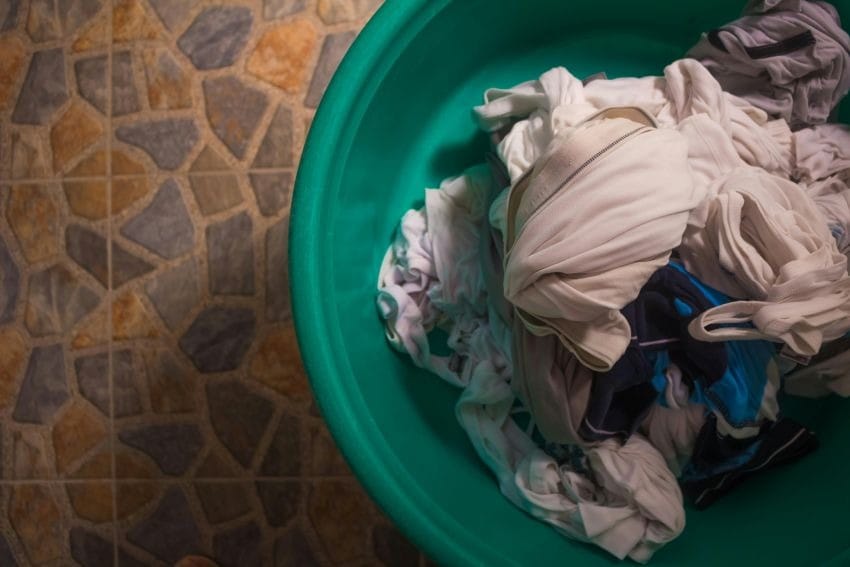
Photo by Joshimer Biñas on Pexels
Of course, it all boils down to you to thrift or not to thrift these items. Should you feel your heartstrings being tugged by a certain item, remember these tips:
- Choose ones that look like new and has a clean smell. This way, you won’t be spending hours fixing flaws, cleaning stains and discolorations
- Even if they look clean, clean them again! Wash, steam, dry-do all that it takes. Be careful not to overdo and cause damage.
- Inspect each item inside out while in the store, from all angles. Look for hidden stains, holes, toughened spots.
- Know which cleaning method is appropriate for each item. When in doubt, see a professional.
- Invest in a steamer or learn how to properly handwash items. Some items are too delicate for a washing machine
The cons must not outweigh the pros when thrifting stuff.
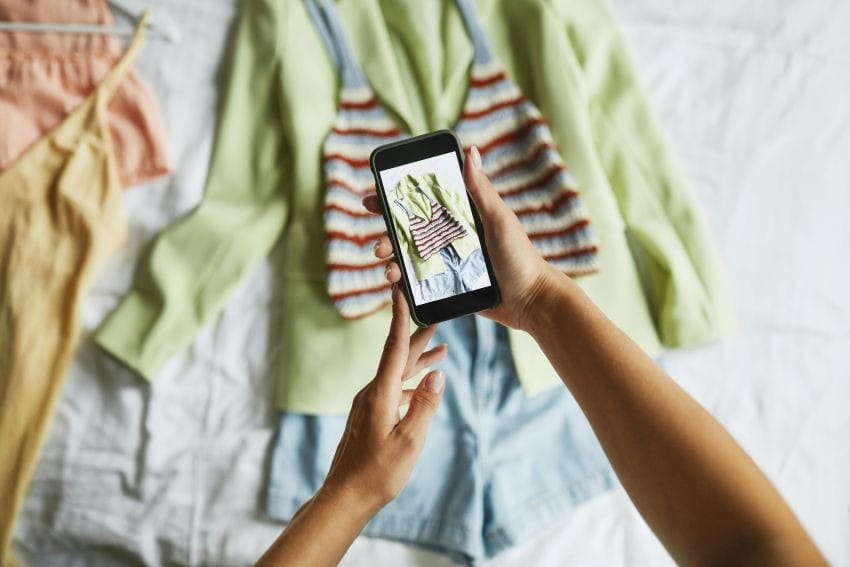
Photo by Marcus Aurelius on Pexels
Thrifting is a sustainable practice, though there should always be boundaries. Health risks should be a number one deciding factor on whether to purchase from a thrift store.
Remember that you are thrifting to save, not to overspend or waste time and effort. Of course, there are exceptions (such as an heirloom piece that’s too good to pass or an item which a little glue can fix), but as a general rule, if the item could possibly bring harm, put it back on the rack.
SellRaze helps you resell your own items with just a photo. Start a thrift-flipping business right on your phone with ease.
Ready to thrift (and maybe flip)? Check out these related reads:
Thrift Store Secrets: What Employees Won’t Tell You Juicy secrets that help you snag the best when thrift shopping.
How to sell on multiple marketplaces Maximize your thrift-flipping journey by being visible on several selling platforms.