How to Spot Fake Designer Items at Thrift Stores
by Jasmin Mipaña •December 9, 2025

Turn on your sleuthing skills and score real deals.
Thrift stores are treasure troves when it comes to finding unique items, so it’s no surprise if you’ll find designer deals in an otherwise forgotten rack, or score a branded handbag waiting for you to dust it off and wear it with style. Of course, there’s the price point: with 30% of Gen Z shoppers shopping in thrift stores to buy higher-end brands, we can’t deny that thrift shops indeed can be a great place to find designer deals.
Supporting this finding, 59% of consumers turn to secondhand clothing due to higher prices. Lower prices for vintage items make thrift stores an affordable choice to buy slightly-used, off-season pieces that still look good. But there’s another looming problem, especially for an inexperienced buyer: fakes. Fakes are everywhere, especially when you thrift shop outside the US.
In this guide, you’ll learn how to spot original pieces versus fake ones, the dangers of buying and selling counterfeits, so your next thrift store designer haul will be a savvy one.
Why Many Designer Items are Found in Thrift Stores
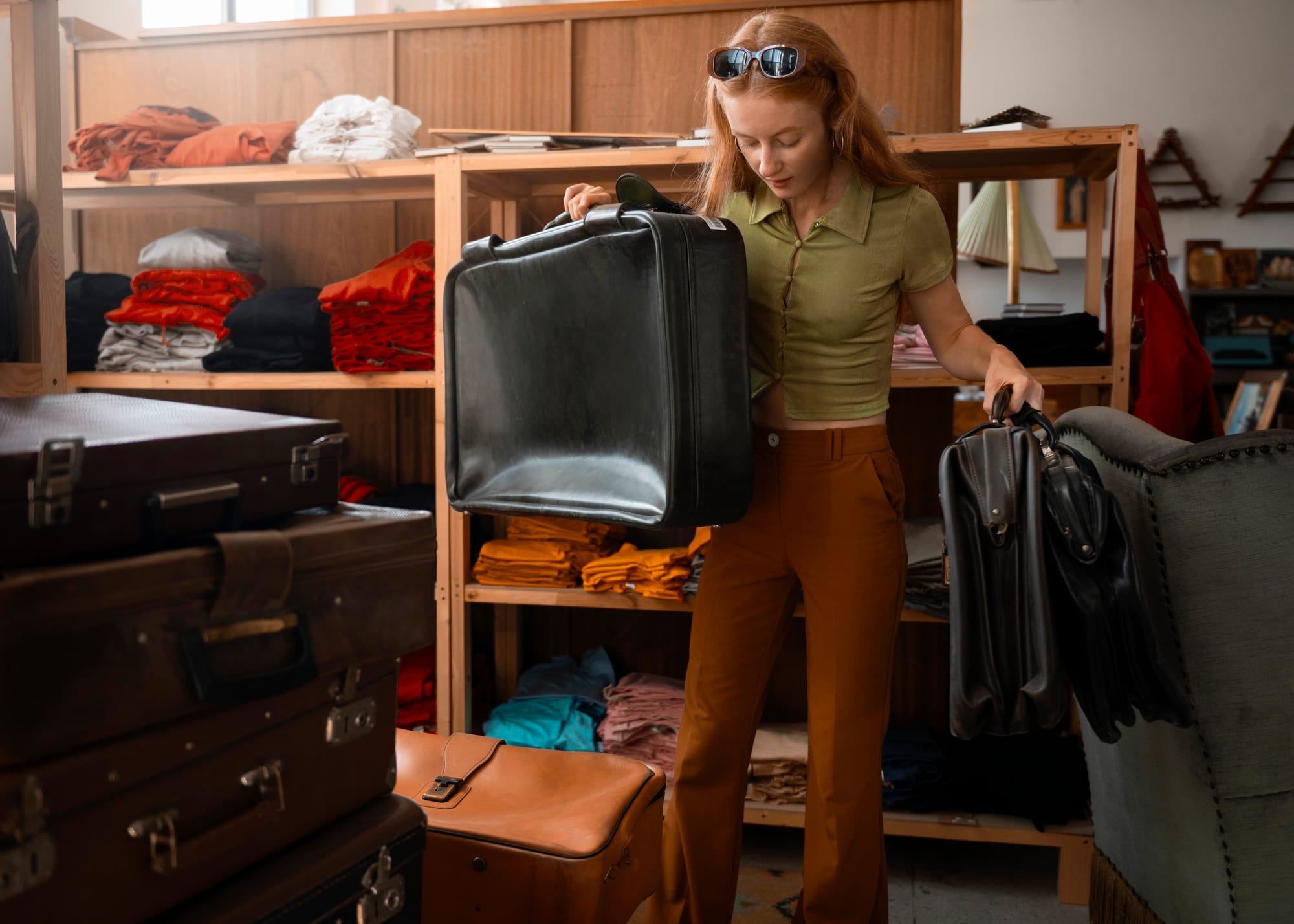
Bagging designer items in thrift shops isn’t exactly rare or unusual. With the US secondhand market having grown up to 143.5 % from 2018 and with over 25,000 resale, consignment and non-profit resale shops, these designer items make their way into the secondhand market as easy as regular items.
Liquidations and estate sales also play a part in why these high-end items end up at secondhand thrift stores. When wealthy people pass away, some of their items are liquidated (sold to make money) or donated to charity. For higher value items, they wound up at auction or luxury stores, while less valuable ones are donated.
The Appeal of Thrifted Designer Goods
Finding your first designer piece in a thrift shop is not only rewarding for your pocket; it is also rooted in psychology. Factors like demand and scarcity, contribution to sustainability, and the history of an item make thrifting appealing.
Add that to the brain’s reward system being triggered once you find a designer piece at a seemingly ordinary thrift shop. The more designer items one thrifts, the more one will be inclined to go thrifting.
Also, it is more rewarding to buy a thrifted designer piece than to go with a brand-new but fake designer item. While it is not entirely illegal to buy fake designer items, according to the US Department of Justice, selling and distributing them makes one liable.
How to Spot Counterfeits at the Thrift Store
Check the Fabric and Leather
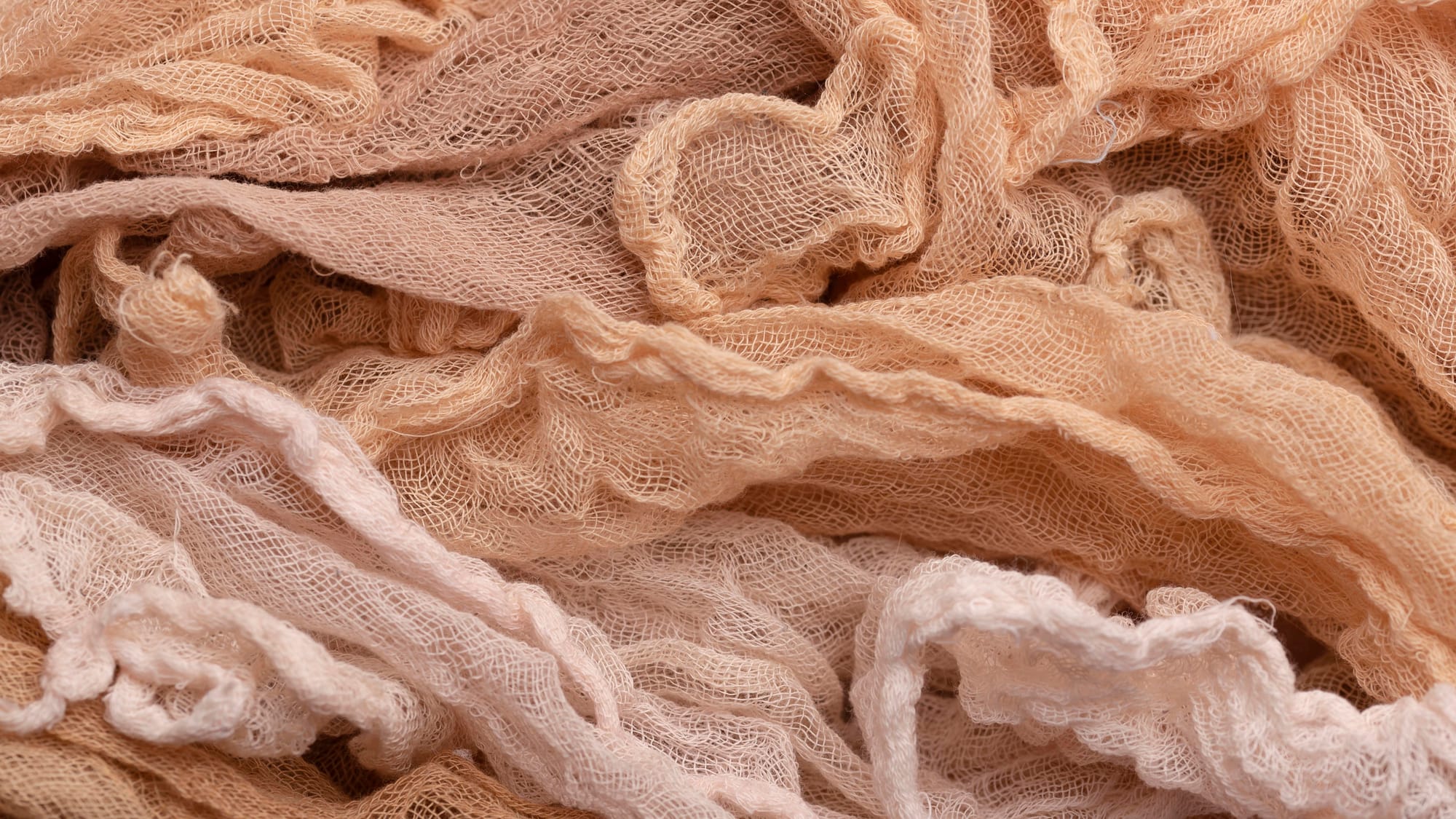
Fabric quality is usually a dead giveaway when it comes to identifying fakes. Commonly, the fabric is of poor quality and has signs of wear and tear that is common in cheaper fabrics (like frays and snags).
For fabric rolls, a comment on a Reddit thread said fake fabrics don’t usually have the brand information in the selvage.
If buying leather products, designer brands often use high quality, soft leather instead of tough. However, be wary also of too smooth/too soft leather (could be synthetic).
Seams and Stitching
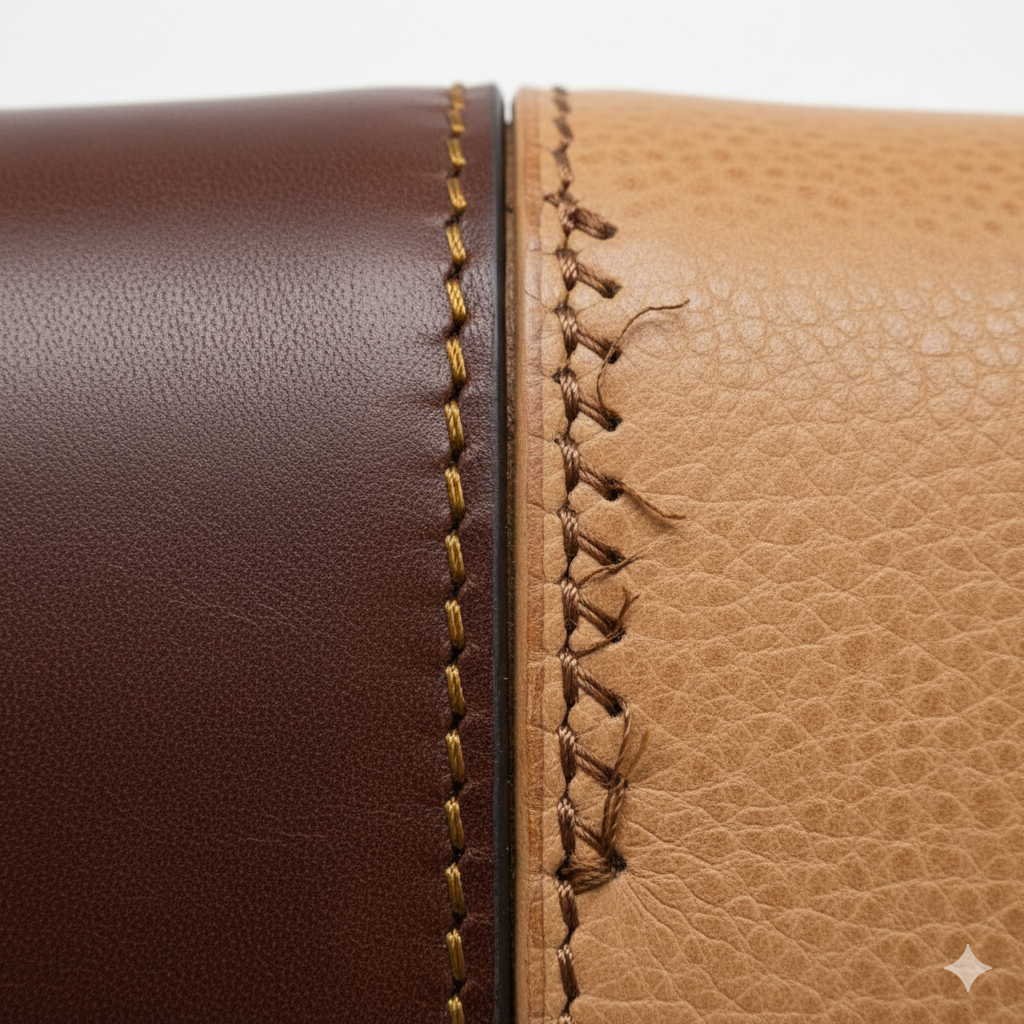
Sloppy stitching and weak seams? Likely a fake item, and applies to both bags and apparel. Designers pay special attention to these parts. The more stitches there are means the item is well-made, and less likely to be counterfeit. Loose stitches are a glaring red flag, especially if they are found throughout the whole dress or bag, not in isolated places.
Thicker threads are also suspicious, especially for designer bags.
For some bags and coats, the interior must be lined with good-quality material. If the item you have looks good on the outside but has a flimsy or cheap-looking lining, then it’s likely a fake.
Logo, Labels and Hardware
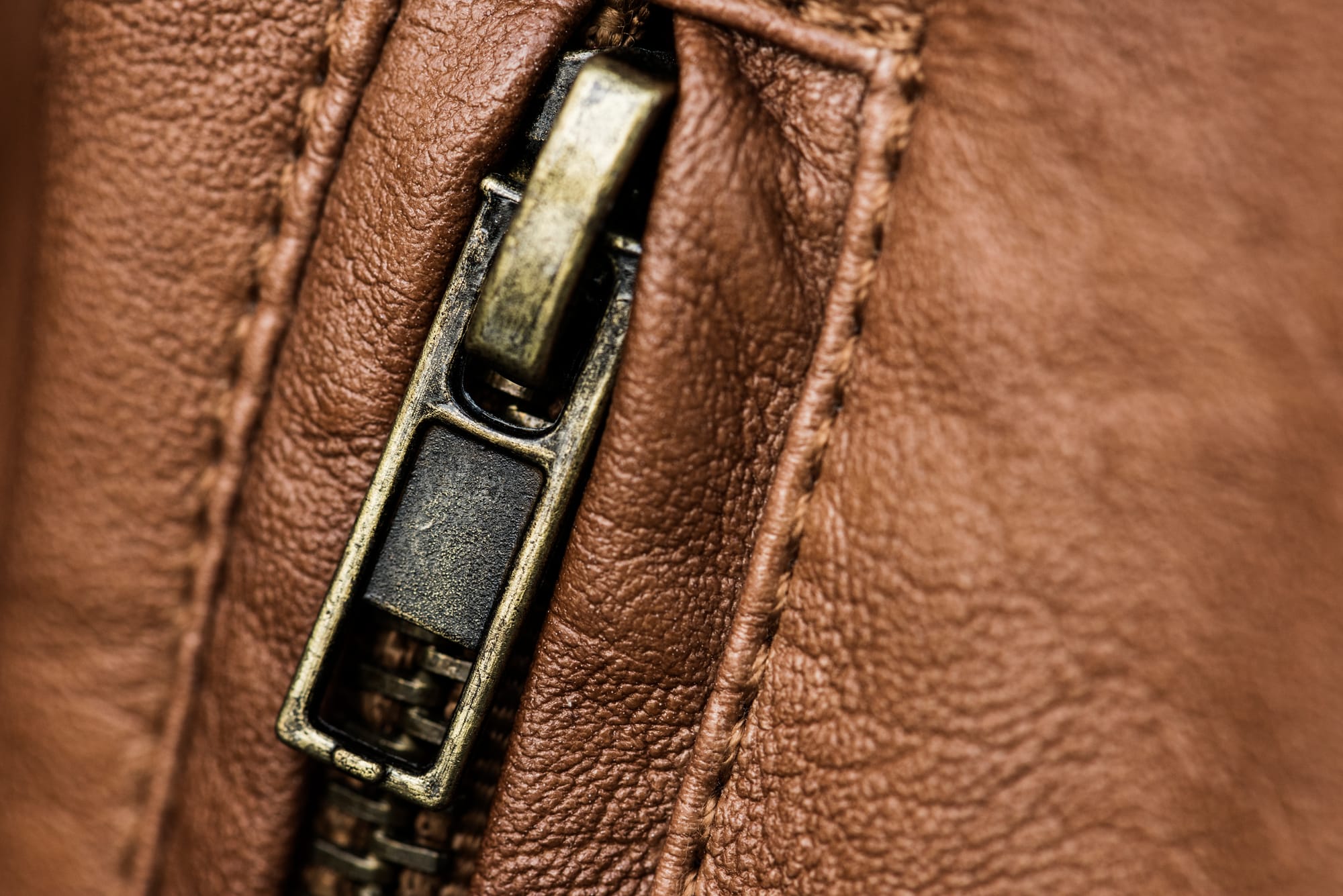
Pay attention to the following:
- Logo and label fonts. If something seems off, it is what it is-a fake. Prada, Gucci, Chanel and other similar brands uses a consistent font style and thickness throughout their logos. Logo placement is important, too- a logo that pops up on an unusual place likely is a sign that you have a fake item.
- Loosely stitched labels. A poorly attached label shows on sloppy, mass-produced items rather than in well-crafted designer ones.
- Hardware. Cheap knobs or clasps, clunky zippers that look like they’ll fall apart anytime or buttons that are not stitched well (not to mention poorly-made buttonholes!) are often present in counterfeit items.
- Date and Era. Check to see if the logo matches the collection release date (etc. Chanel Spring-Summer Collection 2023).
Details Unique to Each Brand
Big brands like Chanel, Prada, Louis Vuitton and Gucci often have unique details that are hard to replicate for counterfeit makers.
Chanel bags have distinct features that set the brand apart from others. Prada bags also have features set in place that are not present in Class A counterfeits.
Authenticity Cards
Not all designer apparel and items like bags or shoes have an authenticity card. Hermes and Louis Vuitton are among famous designer brands that don’t have an authenticity cards, while Authenticity cards are popular during the mid-1980s for brands like Chanel, one that contains serial numbers that can also be found inside its bags. As security and counterfeiting measures grew stronger, authenticity card production was stopped to prevent counterfeiting: fakes started to have authenticity cards too, that can fool novice collectors and unsuspecting buyers. Now, digital IDs embedded in the items replace these serial numbers and cards and give consumers a higher level of authenticity.
If you ever find an item with an authenticity card, check the following:
- Print quality should be perfect, no bleeding, incomplete letters or inconsistent fonts;
- Spelling and information should be correct (brand, serial number)
- The presence or absence of holograms: Some brands have holographic features in their cards, and some don’t. When there’s a hologram where there should be none, and vice versa, it’s a red flag.
Designer Brands Spotlight has a video on how to read authenticity cards.
Item Condition
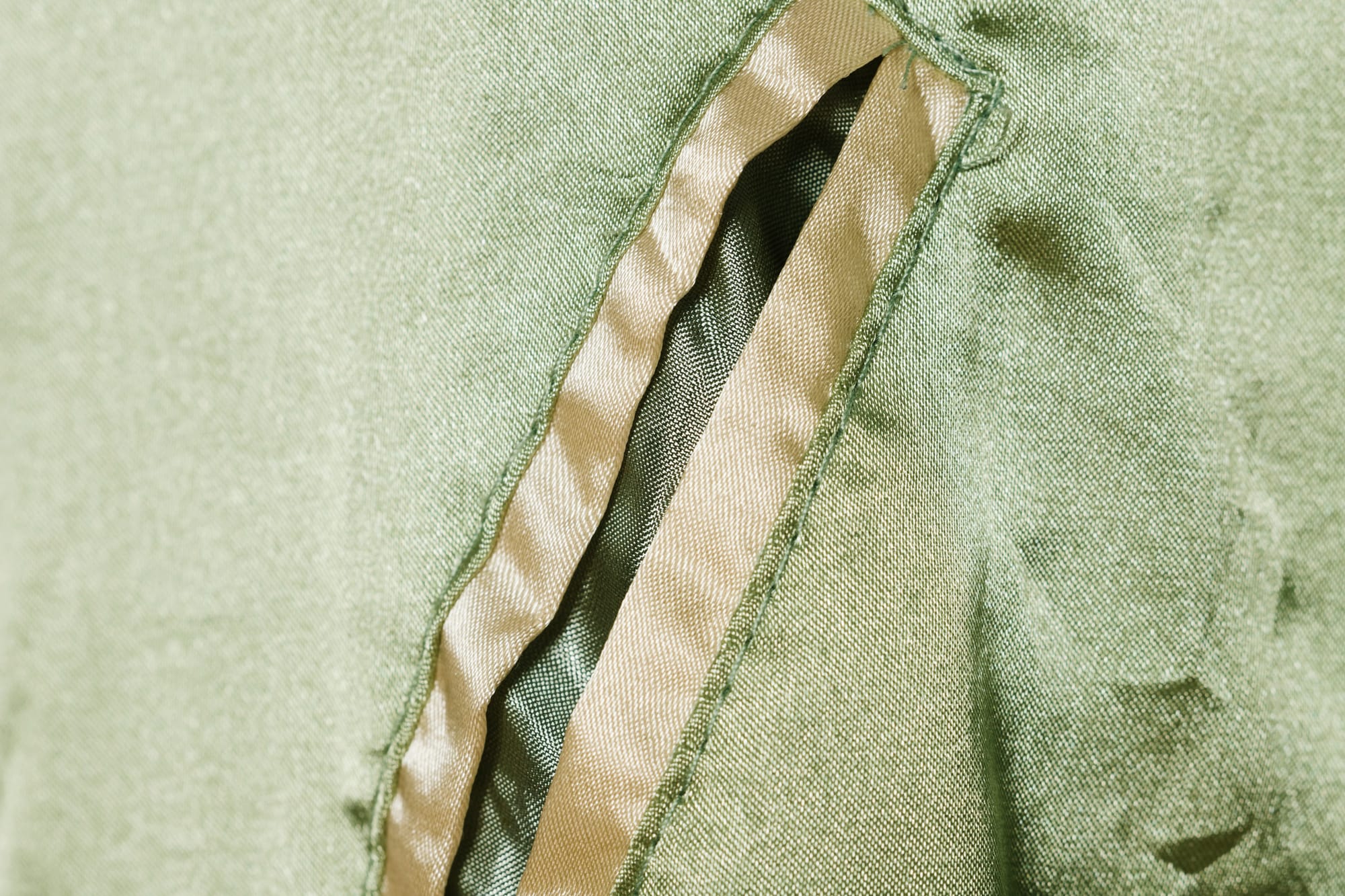
Item condition can also tell you if the clothes or accessories are authentic or fake. If you find an item that is marketed as vintage but looks new, then proceed with caution. Check also it matches the aesthetic of its supposed release (e.g., Fall 2021 collection).
Vintage finds also have signs that indicate age, like yellowing or slightly brittle buttons and stuck zippers.
You may use our comparison table for a quick check while shopping for thrift store designer items:
| Features | Authentic Designer | Fake |
|---|---|---|
| Quality | Made from high-quality material like silk, leather, etc. | Made of synthetic or poor-quality material. |
| Hardware (buttons, buckles, zips) | Has the brand logo, feels heavy and sturdy, logo placed strategically. | May not be present or awkwardly placed. |
| Stitching | Has exquisite, even stitching. | Has loose threads, uneven or crooked stitching. |
| Unique details | All unique details are in place. | Missing or extra unique details. |
Tips and Tricks in Spotting Fakes
Spotting fakes easily is the key to never buying them (and wasting your money). In case you need more help in verifying existing purchases, or just want to make sure it’s authentic designer before you buy, try the following tools:
- Verification apps/websites: Apps and websites like LegitApp and Real Authentication can help you in detecting fakes early on. This technology is especially helpful if you are thrift-flipping designer items and curating them.
- Forums: Forums are goldmines when it comes to spotting fakes. They feature real experiences from people.
- Listing apps: Apps like SellRaze lets sellers look at the average value of an item from existing listings in several platforms-making it easy to spot fakes with too high or too low prices.
- Check with the brand: Brands like Chanel may not authenticate items, but you can email them if you have any questions about their items.
The Bottomline
Designer items abound in thrift stores, but there is always the possibility of running into fakes. Knowing what to check helps you put your hard-earned money into a designer piece that’s authentic instead of getting a counterfeit. Whether you are looking for your first designer thrift shop find for yourself, or you regularly thrift-flip designer pieces for profit, these tips make sure you’re thrifting the right way.
SellRaze helps with your thrift-flipping business in many ways-it lets you price your items competitively, allows for listing in multiple platforms, and even make a shipping label for you once yo’ve sold an item. Sell with ease, sell with SellRaze.