Help! My Thrifted Furniture Has Bugs + Ways to Get Rid of and Prevent Them
by Jasmin Mipaña •January 15, 2026
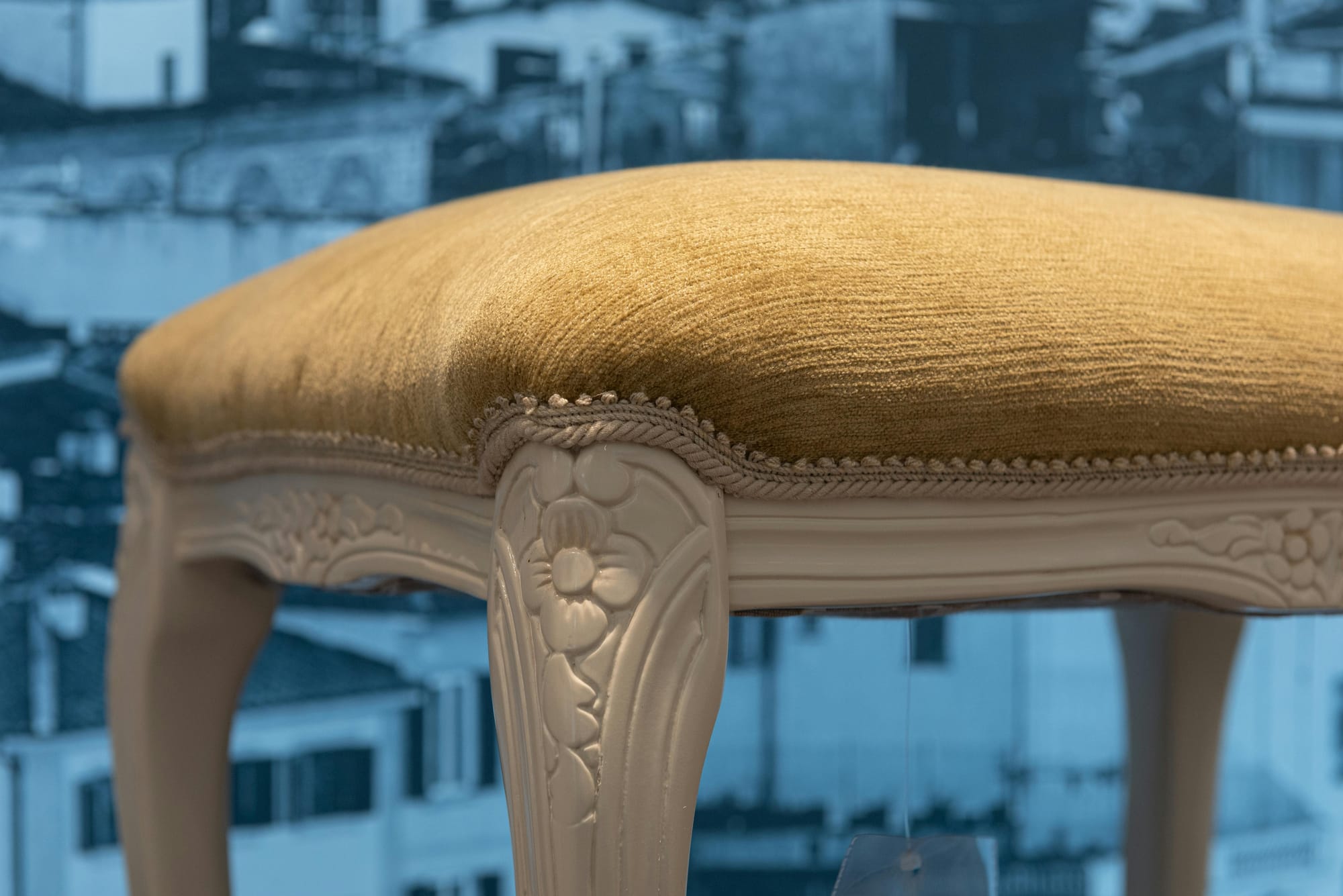
Bring style and comfort into your home, not unwanted visitors.
It’s a common scenario: falling in love with a piece of furniture at the thrift shop, only to find out too late that it has bugs! Worst case, the bugs crawl into your existing furniture and cause an infestation. Or if you’re a thrift shop owner, one infested piece of furniture can certainly damage your whole inventory.
While buying second-hand furniture certainly has its perks, like gaining unique pieces, being able to afford quality items for less, and, of course, extending the lifespan of furniture before heading to the landfill, the danger of bringing home infested furniture is very real.
We’re here to help you identify common bugs, furniture these critters love to camp on, how to check items in thrift shops and yard sales for possible infestations, and how to get rid of them.
Common Bugs in Thrifted Furniture
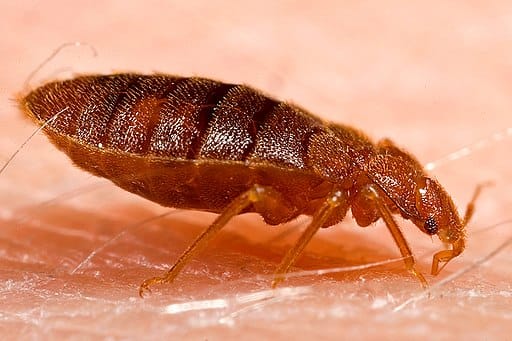
Bedbugs
Bedbugs are the number one pest present in mattresses and furniture, existing in all 50 US states. They are also among the most difficult pests to eradicate, as 76% of pest professionals report. Bedbugs appear reddish-brown and are excellent hiders; they are most active at night and hide during the day. Their bites leave hard welts and reddish puncture marks. Often, bedbugs bite several times in one area, leading to a group of welts, as they test for better blood supply. Unlike ticks, bedbugs don’t transmit serious diseases, but their bites are incredibly itchy. Scratching them may lead to secondary skin infections, lack of sleep, and general irritability with the itch and the scars left behind.
Carpet beetles
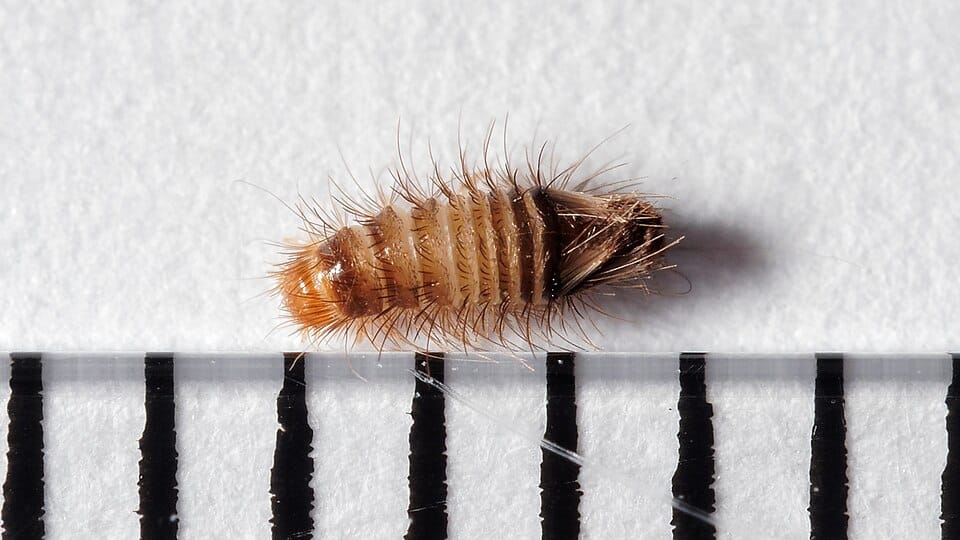
These bugs don’t bite people, but boy, they can cause terrible infestations that spread to the entire house if left unchecked. Carpet beetles are named after carpets, where they are commonly found, but that does not stop them from going after upholstered fabrics, especially natural ones. They are fond of wool, cotton, and silk. Even pet fur and natural hairbrush bristles can’t escape their appetite.
Powderpost beetles
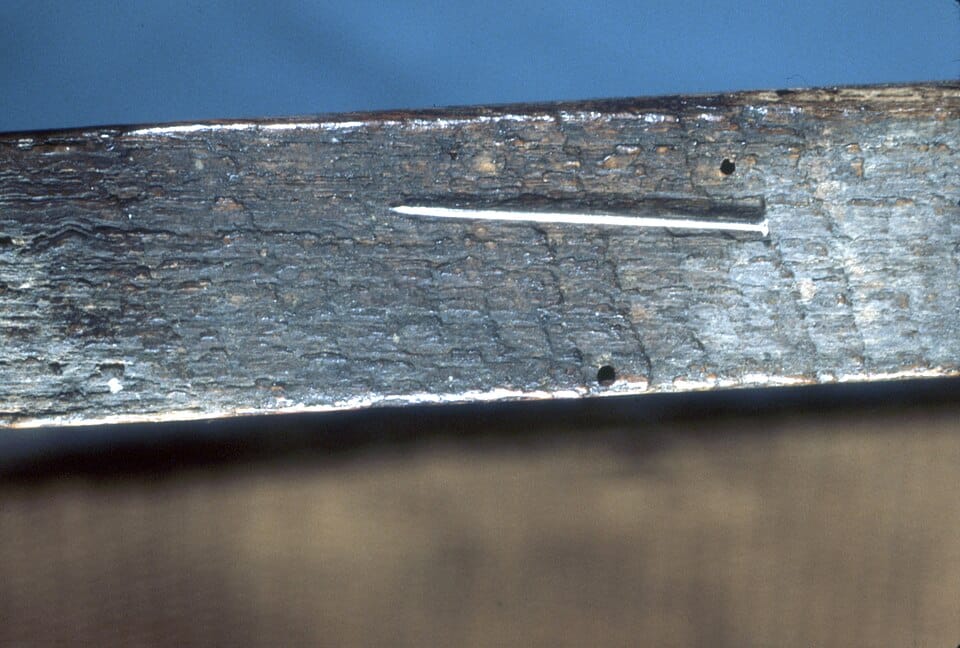
Powderpost beetles are little insects that cause little holes in wood, leaving a powdery, sawdust-like substance behind. It’s not the adult bugs themselves that burrow, but their larvae. It incredibly weakens hardwood furniture, to the point that splintering happens (though not as extreme as termites do). According to Daniel McGee Wilde, in his YouTube channel Dan the Bug Man, there are two kinds of powderpost beetle infestations: active and inactive. As the owner of Catchy Pest Control, he’s seen many infestations caused by this bug and how one can see whether the infestation is recent or not. New infestations usually leave a fresh trail of the wood dust powder, while old holes lack this powder trail.
Carpenter ants
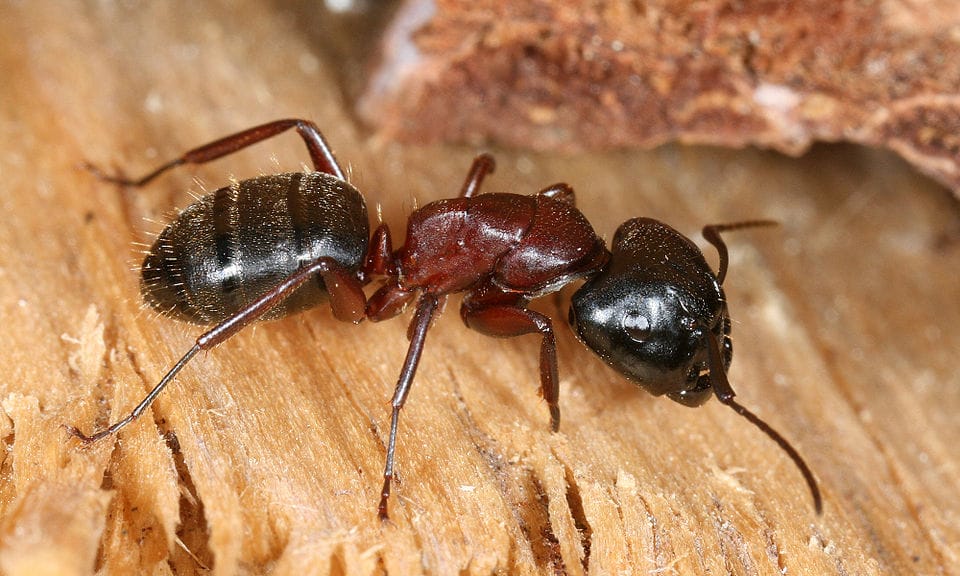
Another wood-boring pest you don’t want to pick up on your thrifted furniture shopping is the carpenter ant. These ants don’t actually “eat” the wood itself; instead, they burrow holes for their colonies. Just like powderpost beetles, they also leave behind frass. Carpenter ants can thrive in decaying wood as well as dried wood, just like in furniture, and are capable of nesting in walls and foam insulation, so an infestation must be avoided at all costs.
Termites
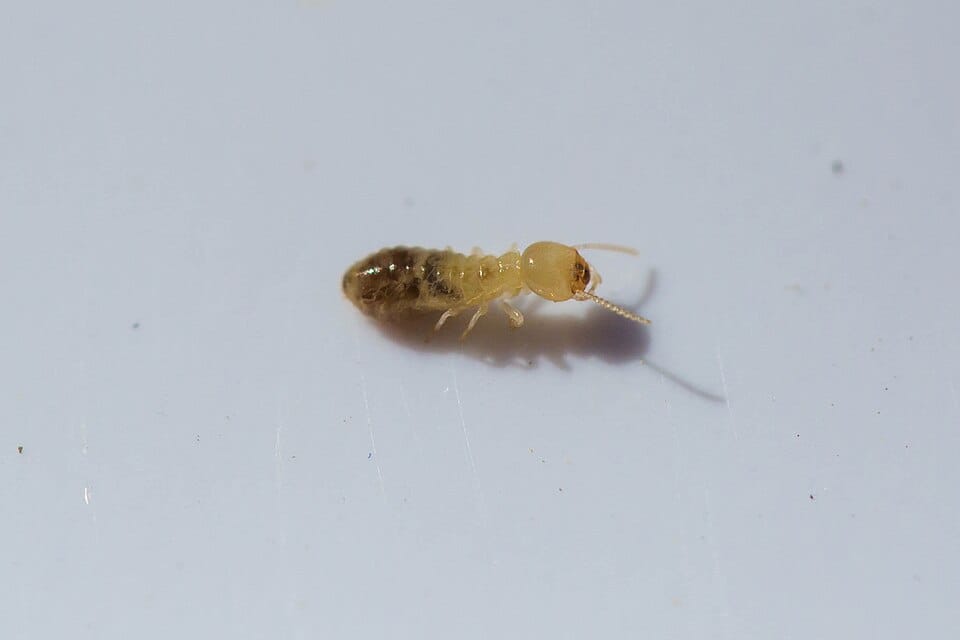
Considered one of the most destructive wood-boring insects, termites are definitely the bugs you don’t want to bring home with you. They eat wood nonstop, leaving a hollow mess that misleadingly looks okay on the outside. The most common type of termite is the subterranean termite, also the type that causes the most damage in homes. They build “shelter tunnels” to protect themselves as they feed non-stop on wood. Drywood termites, however, are more likely to be found in furniture. They don’t have burrows like subterranean termites do, but they can happily munch on your thrifted dresser or chair with no difficulty.
Watch: How subterranean termites eat a model house
Furniture Bugs Love
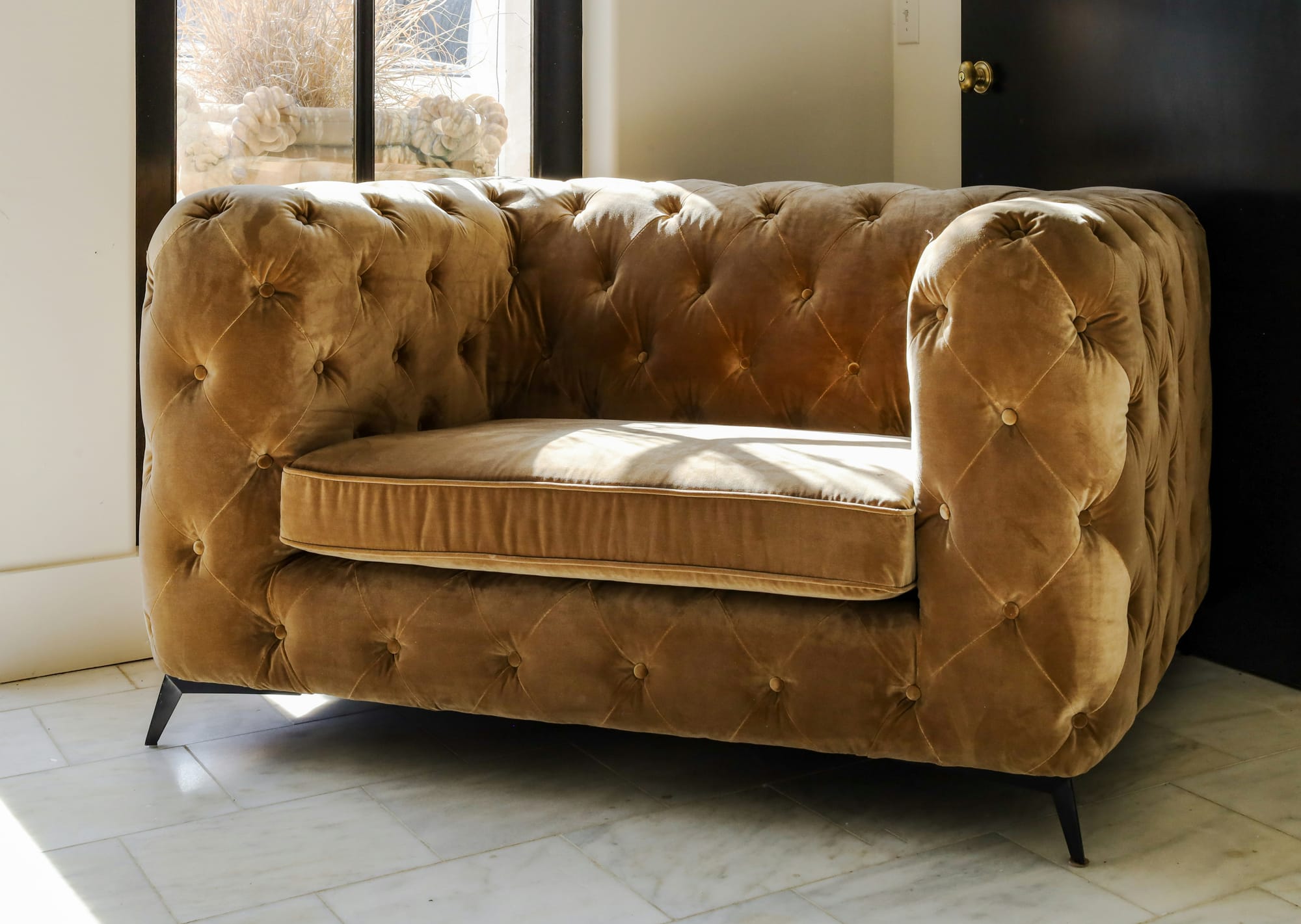
Bugs love all sorts of furniture-as long as they have the feeding source close. For wood-boring insects like carpenter ants, termites, and powderpost beetles, expect to find them in hardwood furniture.
On the other hand, carpet beetles love lurking in furniture upholstered with natural fibers such as wool and cotton batting. Bedbugs, on the other hand, prefer close contact with their “food”-humans, but are also known to stay dormant when humans are not around for an extended period of time. They spring into action, biting and breeding when people use the furniture.
How to Check if Thrifted Furniture Has Bugs

There are several ways to check thrifted furniture before purchasing it. Here’s how and what to check for:
- Bedbugs: Look for black spots in the seams of upholstered furniture. These spots are undigested blood the bugs “poop out.” Dried-out bug shells (molts) also indicate growing bugs.
- Carpet beetles: Irregular holes, adult beetles, and old shells/casts
- Carpenter ants: large black ants, a powder-like substance called “frass”, numerous smooth holes
- Termites: discarded termite wings, frass, and wood damage
- Powderpost beetles: Tiny holes a few centimeters apart, with fresh holes (with larvae), frass
Some helpful tips in general:
- Be wary of ultra-cheap thrifted furniture, especially in garage sales. Chances are they are infested and being thrift-flipped over and over.
- Quarantine all thrifted furniture before bringing it inside the house. Storing it in a garage or a spare room will help prevent possible spread of these bugs.
- Clean furniture before bringing it in. Wash with soap and water, if applicable.
- Pre-treat furniture even if you don’t see signs of insects. Bugs and critters are very good at hiding, and even one live bug may lead to a massive infestation.
- Using extreme heat or cold may help-but not always. In case of bedbugs, heat must be maintained at 110°F consistently for three hours minimum; cold treatment takes a lot longer, with items needing to stay at 0°F for four days.
- When buying furniture for storage, such as dressers, don’t immediately put your clothes in it unless you have cleaned it thoroughly. Only store your clothes there if you are 100% sure that there are no bugs of all sorts in there.
- In general, don’t buy furniture that exhibits signs of insect infestations in the thrift or antique shops.
Getting Rid of Bugs in Your Furniture

Different bugs, different kinds of treatment. When you can’t hire an exterminator or simply have high hopes of saving your furniture, these methods may help you get rid of the furniture pests you’ve gotten from the antique or thrift shop.
- Bedbugs: Immediately isolate the furniture from the rest of your house. Check the rest of your furniture for possible spreading. Wrap the furniture in a sealed bag and heat-treat it for at least 110°F for three hours. Buying chemicals and DIY remedies may seem appealing, but the best way to deal with bedbug-infested furniture is by calling a professional.
- Carpet beetles: Vacuum the whole piece thoroughly; take it apart if possible (especially for upholstered dressers). Empty the vacuum’s contents in a sealed bag and dispose accordingly. After vacuuming, spray an insecticide. Repeat this several times in an area away from the rest of your furniture until you no longer see signs of the bugs.
- Carpenter ants: A simple soap and water solution can kill the ants. Pour into the holes and let the furniture dry for several days, then seal the holes with wood putty, epoxy or other suitable material.
- Termites: We strongly recommend getting a professional to assess a furniture piece with termites. Otherwise, it’s time to let go of the furniture rather than risking a full-blown infestation.
- Powderpost beetles: Extreme heat and cold may help in killing them, but fumigation done by a professional, followed by a wood preservative treatment, is the best way to stop the infestation and save the piece.
Related reading: Choosing an insecticide for bed bugs
When all else fails
When it comes to bug infestations, prevention is always preferred over treatment. These bugs are hardy and challenging to remove, though not impossible. In cases where the infestations threaten to spread to several areas, the best thing to do is to ditch the furniture. Take it to the dumpster instead of thrift-flipping or donating it back.
If you can hardly part with a piece that still holds great potential, the next thing to do is to call an exterminator. They can assess the damage and the appropriate treatment that DIY remedies can hardly achieve.
So if sitting in your thrifted wingback chair that completes your chateaucore theme lands you some bedbug bites, it’s really best to let it go rather than deal with a house-wide infestation.
Selling high-quality, bug-free, thrifted furniture? SellRaze makes it easy for you to reach more customers with the toggle of a button. Achieve a wider customer reach by crosslisting in popular online marketplaces. It’s AI-powered; just snap a photo, and SellRaze will take care of the listing and descriptions for you, and more. Sell with ease, sell with SellRaze.
