
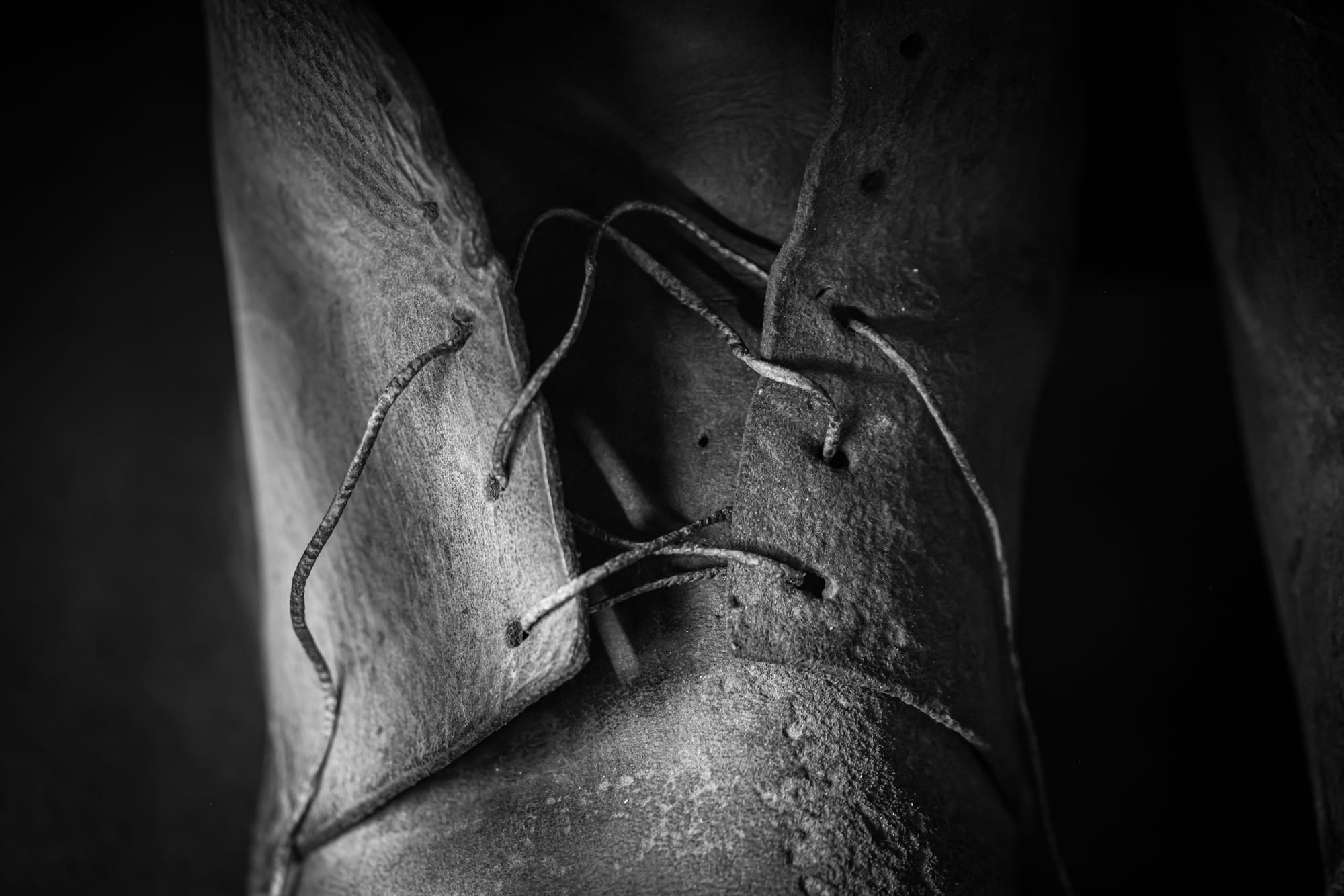
My first encounter with dry rot was when my cousins went overseas and left me a closet full of bags and shoes. I was ecstatic, only to find out that most of them were falling apart! They told me they had rarely worn them, and they were known for taking care of their things, so I was puzzled.
One particular pair of leather sandals looked perfect until I wore them and they fell apart while I was at a party! To think that most of the pieces were made of leather and were from reputable brands...
I just shrugged it off, thinking they gave me old, worn shoes until it happened to a pair I picked myself at the mall. In less than a year, the faux leather peeled off, and the sole gave way. I stored them in the box with the little silica packet it came with, but they still became unwearable so fast.
So, what is dry rot, exactly? What causes perfect-looking shoes to fall apart even if they were barely used? Even bags are not immune to this issue. We’ll pick apart what dry rot is, how it happens, and how we can keep our thrifted inventory pristine and free from it.
What is dry rot?
Dry rot is a general term commonly used to describe the breaking down of bags and shoes, worn or unworn. Dry rot in shoes and bags is a different phenomenon from dry rot in wood.
Unlike the latter, which is caused by a fungus, dry rot in leather and faux leather products involces different processes: drying out and collagen degradation (in genuine leather) or breaking down due to moisture and chemical breakdown (faux leather).
Dry rot in leather is not the same as dry rot in synthetic leather. The same applies to natural rubber and synthetic rubber, which deteriorates through different processes.
Dry rot in leather
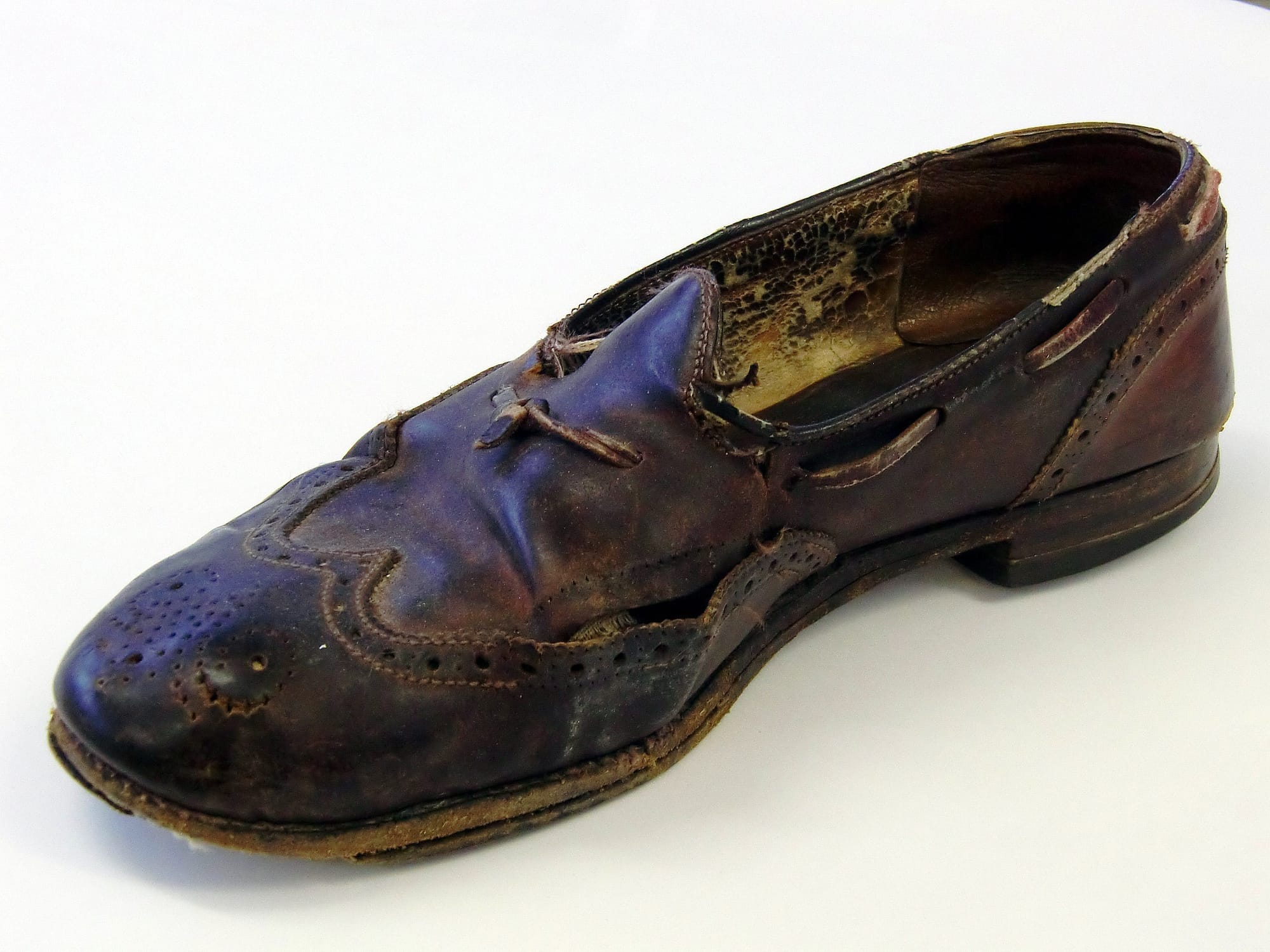
Leather is tanned to become pliable and water-resistant. But even the tanning materials used to make leather soft and durable undergo chemical changes over time and may damage the very material they treated—animal hide.
Dry rot in leather may look like the following: cracked, peeling surfaces even with gentle handling. The surface also becomes powder-like in some cases; stitches loosen on their own, and the leather changes color and texture. The leather loses its flexibility and becomes more brittle. Drying out can make leather stiff, while acids in the leather can accelerate chemical breakdown, especially when combined with heat and moisture.
Dry rot in faux leather
Faux leather is not exempt from dry rot. Whereas natural leather has collagen bonds holding it together, synthetic leather has a plastic coating bonded to a cloth backing. Once the plastic film deteriorates due to exposure to moisture, the elements, and other chemicals present in the air, it starts to peel. The coating might feel sticky and stretchy at times.
Dry rot in rubber
As with leather and faux leather, rubber and synthetic rubber also fall victim to dry rot, but through different processes. Natural rubber can deteriotate due to heat and oxidation. Synthetic rubbers such as polyurethane (the same material for most faux leather) is prone to hydrolysis caused by moisture.
Dry rot in rubber looks like small vein-like cracks on the surface, loss of volume, and a dry look. In some synthetic materials, deterioration is much worse: the material hardens first, cracks, and then crumbles.
How to prevent (or slow down) dry rot
If you have items made from geniune leather, faux leather, and rubber, you’ll have to care for them according to the material they’re made of. You can help maintain genuine leather by regular conditioning to prevent excessive moisture loss. Faux leather items and synthetic rubber should be stored in cool, dry places.
Regular use is recommended for items vulnerable to dry rot. You'll be able to spot early this way. A good rotating schedule (ideally every other day) allows you to monitor your shoes or bags often. Avoid storing them in overly hot, cold, or high-moisture areas.
Sourcing tips for resellers
Dry rot, once started, can’t be reversed, so you should inspect items before sourcing for signs of deterioration. Here’s how you can avoid dry rot for your inventory:
- Check the material. Does it have scratches or peeling, or are those the first symptoms of dry rot? Learn to recognize the difference.
- Lightly bend shoe soles. Observe for possible cracking or warping.
- Clean shoes and bags you’ve purchased before storing them.
- Air out your items regularly. Keep the area well-ventilated but away from the sun. This works for all materials, whether natural or synthetic.
- Store items individually. Dry rot, though not contagious, may indicate unsuitable storage conditions. Take them out of that stuffy, musty closet and store somewhere with controlled humidity.
- Inspect an item before listing. If it exhibits signs of dry rot, don’t list or sell it. Dry rot progresses over time, and it’s likely to get worse during shipping or after your buyer receives it.
- Also inspect before packing and shipping. Your item might have developed dry rot while in storage. Again, refrain from selling if new flaws or damages appear, or risk refunds, returns, and poor ratings due to an INAD (item not as described) claim.
- Always, always disclose flaws to buyers, no matter how small they are. If in doubt, refund.
The Final Verdict
Dry rot in bags and shoes is something we can’t avoid forever. However, this can be slowed down, not only with our personal items, but also in those we resell on online platforms. As these items go past their lifespan, the damage will worsen. Thrifting and reselling give these items a second, even a third chance, so it’s up to the reseller to sell items in good condition, even if they're second-hand.