Click, Cart, Chaos: Welcome to Black Friday
by Joem Castones •November 26, 2025
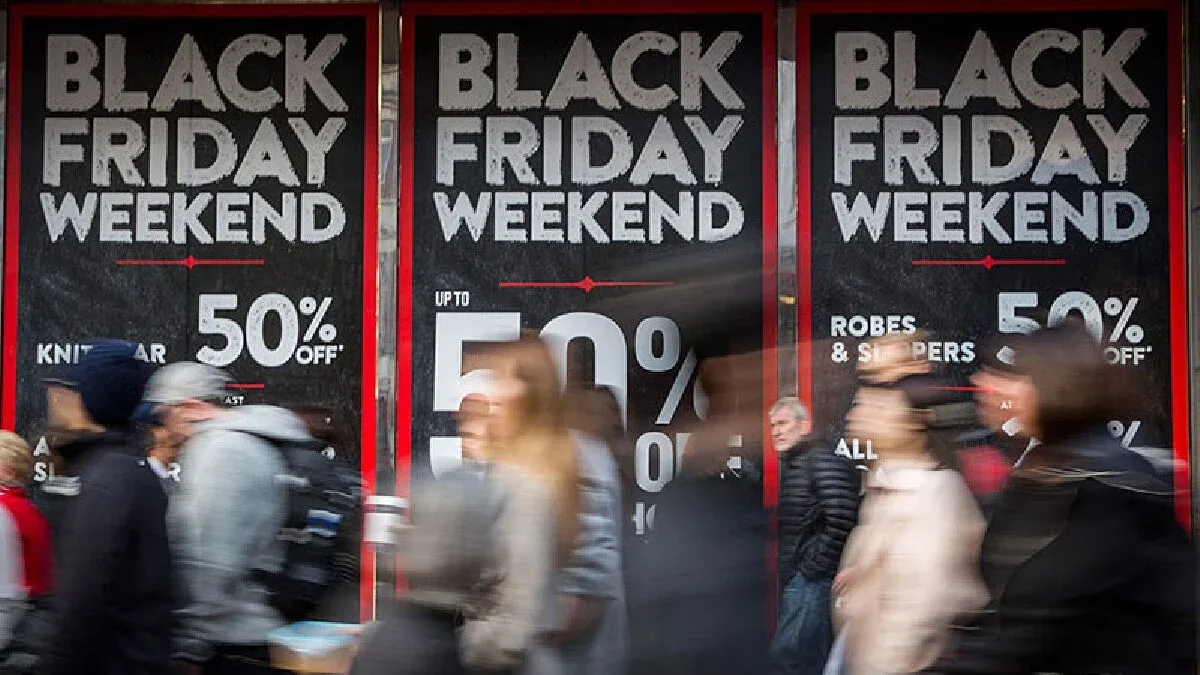
Thanksgiving leftovers are barely cold when it happens. Your phone is a stadium, every tab of alerts and emails a competing blowhorn, and somehow you are both the crowd and the contender in a race you never signed up for. Every deal is a tease, every timer a drumbeat, and your finger hovers like a pugilist unsure where to punch first. Logic whispers to take a step back, breathe, maybe take a nap, but adrenaline laughs at caution. You scroll. You click. You swear this will be the one time you snag the perfect deal without regret.
Where thrifting Thanksgiving tableware was a treasure hunt, Black Friday is an all-out treasure war masquerading as a shopping spree. A day literally founded on the concept of buying; it has long since been a pulse check on the state of our consumer culture. It is that time of the year when every single offer demands your attention and every steal fuels the frenzy that feels too good to pass up. Only by knowing when to strike and when to hold back can you turn the chaos into a haul you actually love. Without strategy, you are swiping through a storm of temptations, and somewhere between “must-have” and “what was I thinking,” you realize that shopping on instinct alone can be one slippery slope. By the end, you will understand how Black Friday became the spectacle as we know it, why stores persuade you to spend more than intended, and how you can navigate through the madness without turning your wallet into the Grinch before December starts.
From Thanksgiving to Tumult: How Black Friday Became a National Sport
“We live in a consumer culture, and Black Friday is like the July 4th of that culture.”
— John Seabrook
Black Friday did not start as the holy sale day it is. The term was first coined in the 196os in Philadelphia, by police officers, to describe the chaos of shoppers flooding the streets ahead of the annual Army-Navy football game. The post-Thanksgiving crowds, traffic jams, and sheer pandemonium pushed the city to its limits, forcing the cops to work overtime just to keep things moving.
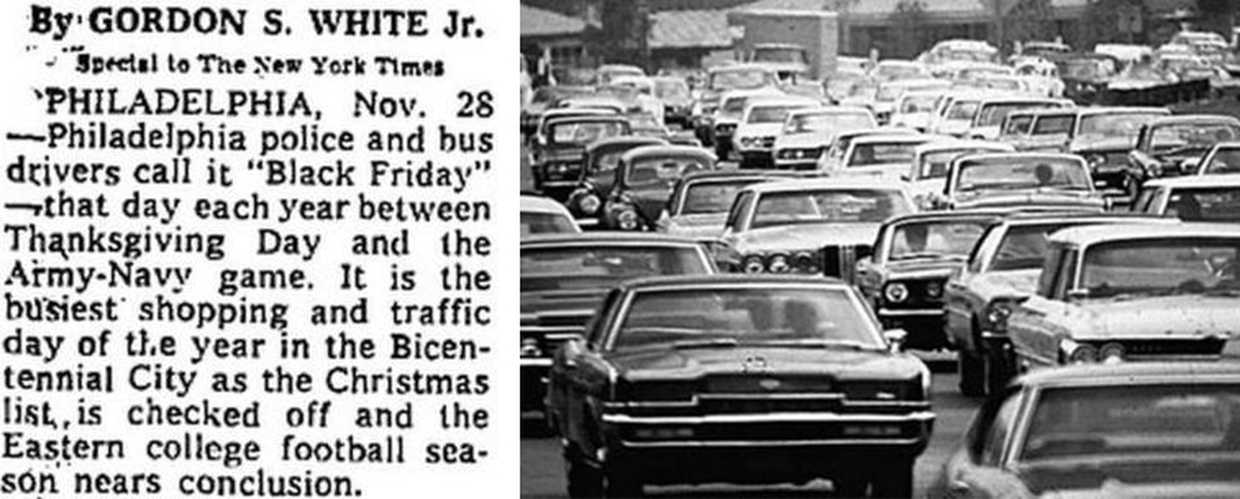
Now retailers—who were just as slammed, for sure—eventually realized a silver lining. The same crowds causing gridlock were also filling their registers with some serious revenue, and what began as a nuisance turned into a marketing opportunity. The Friday after Thanksgiving marked the day their ledgers flipped—from being “in the red” and operating at a loss to being “in the black” and profitable. Since then, Black Friday grew into the national ritual where consumerism does not just take center stage, it is at its peak.
Well into the 1970s, the day’s reputation was only further calcified. Newspapers picked up the term, and businesses leaned into it with holiday promotions. Through the 1980s, malls were packed at sunrise. Doorbusters, camping traditions, and long lines that made waiting an event in itself. Come the 1990s, lining up early became a badge of honor, a competitive sport where the first through the door won bragging rights, limited-stock deals, and sometimes even a spot on the evening news.
By the 2000s, Black Friday had become a cultural blockbuster. Stores opened earlier each year, often on Thanksgiving evening, while media coverage treated the shopping frenzy into must-watch television. The advent of the internet expanded the battlefield online, letting shoppers choose between braving the rowdy aisles or shopping from home while doom scrolling on the toilet. By 2010, Black Friday was a season, not a day, stretching from early November into a full month of deals. Today, it exists both in bustling stores and scrolling feeds, a hybrid of tradition and technology, and cementing its place as one of the most influential events in modern consumer culture.
Black Friday has positive sides. It fuels the economy, helps retailers move inventory, and allows consumers to score bargains that are genuinely useful. But it also has darker elements. The pressure to buy, the artificial scarcity, the long lines, and the occasional news headline of stampedes and fights make it a wild cocktail of thrill and stress. It is indeed fascinating how the holiday combines genuine human excitement with a well-oiled marketing machine that knows exactly how to push your buttons.
Tricks, Traps, and Tiny Print: The Retail Playbook
“There is hardly anything in the world that cannot be made a little worse and sold a little cheaper, and those who consider price alone are that man’s lawful prey.”
— John Ruskin
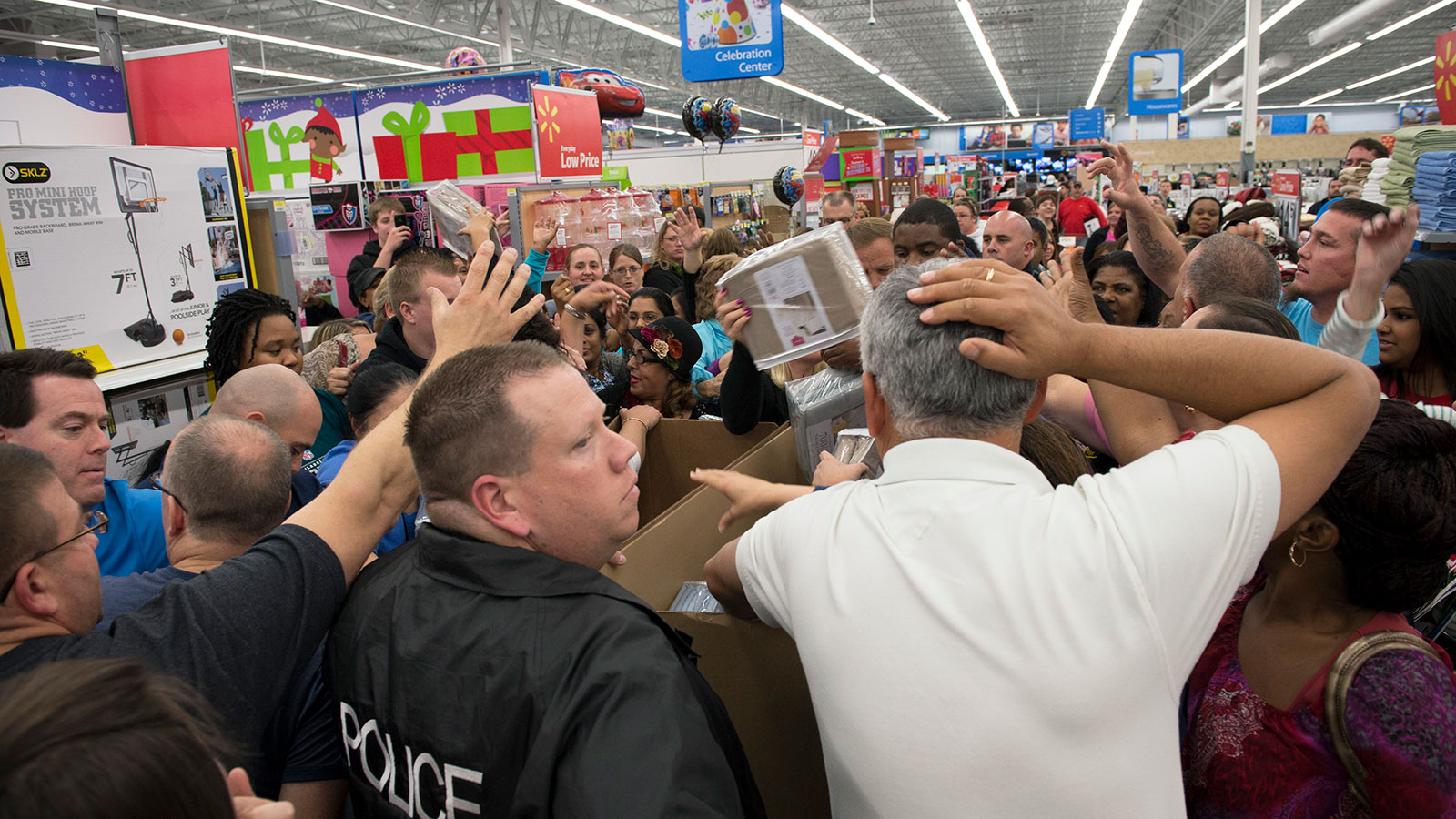
Know that Black Friday is not just any normal sale day. It is a grand performance, and the retailers are the playwrights. Every sign, every email, every timer on a website is strategically engineered to make you act fast and—ironically enough—spend more. Scarcity drives action. Limited-quantity doorbusters, countdown timers, and phrases like “only three left” or “while supplies last” are psychological nudges that trigger urgency. It is basic human behavior: when something seems rare, we want it more. And the more you feel like you might miss out, the more likely you are to make impulsive purchases.
Timing is another classic tactic. Midnight launches, morning specials, and hourly releases force you to keep checking your phone or racing to the store so you don’t miss the next wave. This unpredictability keeps you scrolling and refreshing, and once you’ve invested that time, that little sunk cost makes you to finally make a purchase. Often, these tactics are paired with loss-leader items, which lure crowds with the promise of an unbeatable deal even though the store expects to make up profits on the rest of your cart.
Everyone loves a bargain, but a discount does not necessarily mean a steal. There are even times that the original price of a product was inflated weeks earlier to make the markdown look impressive. Price anchoring shapes perception, making the discount feel dramatic even if the sale price is not far from the usual cost. Bundled deals play into the same psychology. You need one item but end up spending more for three extras. These promotions are a way to get people to pay attention to things they did not even know they wanted. You think you are getting a bargain, but in reality, the item may have rarely sold at the padded price.
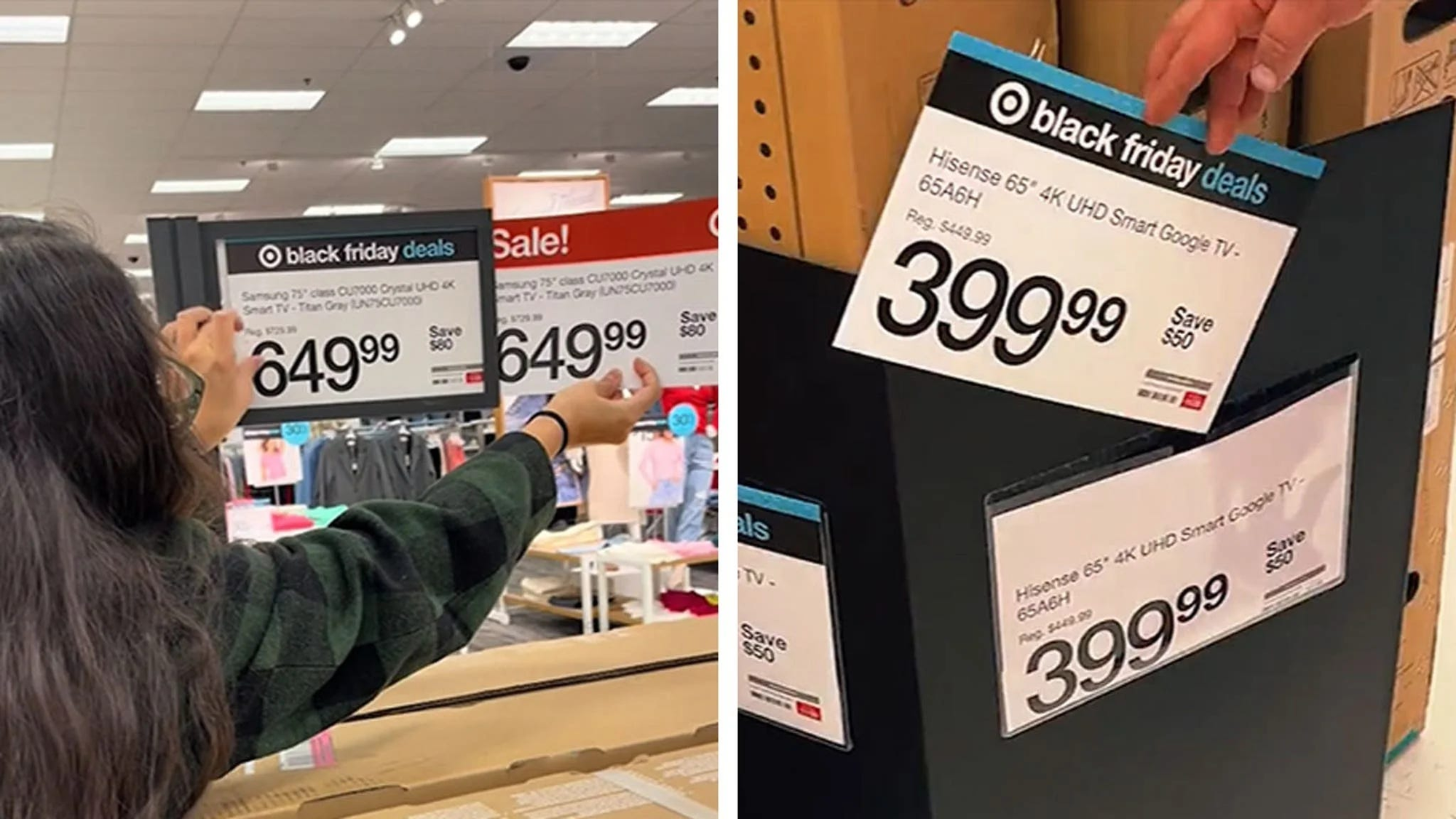
Marketing does not stop at pricing tricks. Store layouts, website pop-ups, loyalty perks, and even email subject lines are all designed to keep you hooked. Emotional framing is baked into every interaction; with seasonal decorations, upbeat music, and strategic displays making the environment feel festive, safe, and urgent all at once. Some shoppers thrive under this pressure, turning it into a strategic game. They map stores, compare online and offline prices, and make lists to avoid impulse pitfalls. Even the savviest shoppers can fall prey to a well-executed campaign. Retailers are not just selling products; they are selling the thrill of the hunt, the dopamine hit of a deal, and the fleeting satisfaction of being ahead of the crowd.
Understanding these tactics is half the battle. When you know how the game is played, you can spot which deals are genuinely worth your time and money. After all, Black Friday is not just about the lowest price. It is a test of patience, planning, and the ability to make rational decisions amidst the frenzy rather than letting the frenzy make them for you.
Swipe Smarter, Not Harder: Winning Black Friday Like a Boss
“When money rules, we remember the price of things and forget the value of things, and that is dangerous.”
— Jonathan Sacks
Black Friday doesn’t have to feel like a battlefield you’re doomed to lose. With the right mindset, it can be more like a game you actually want to play and win. Start by treating it like any good challenge: pace yourself. Approach it like a marathon, not a sprint like everyone else. There’s no need to hit every flash sale or refresh every page. Set a budget and stick to it. Decide on a handful of must-have items and let everything else fade into background noise. Shopping with intention always transforms chaos into a playground of opportunity.
A little research goes a long way. Track real prices before the sales hit. Knowing what you want, the typical costs, and which options are genuinely worth considering gives you insight to recognize a good deal when it appears. It stops that sinking dread of realizing you could have gotten the same item cheaper elsewhere. Sometimes, the smartest win is passing on a deal you don’t truly need, even if it feels you lose at the moment. That patience often pays off more than frantic clicks ever will.
Organization can be the game-changer too. Keep lists, compare items in a single view, and track where the best options appear. Being systematic keeps attention on your goals. If shopping in stores, map your route and plan when to hit each section so you’re moving efficiently instead of aimlessly wandering and getting distracted. Online, utilize wish lists or browser tabs to monitor items quietly instead of bouncing from page to page. And while surprises will always pop up—new items, sudden price shifts—being flexible lets you to pivot toward value rather than panicking over hype. It’s less about chasing every deal and more about recognizing worth when it happens.
Finally, mindset is your strongest ally. Take breaks, step back when the frenzy peaks, and don’t mistake the thrill of the hunt for the actual prize. At the end of the day, winning Black Friday isn’t about filling a cart faster than everyone else; it is about making decisions that are intentional, and enjoying the process rather than letting it control you. Savvy shoppers know that the real satisfaction comes from turning a day designed to be overwhelming into one where you set the rules. After all, the best deals are the ones you actually enjoy—and the ones you don’t need to apologize for buying the next day.
And in the spirit of Thanksgiving, it’s worth remembering the irony that only in America do we trample each other for sales just one day after pausing to give thanks for what we already have. So swipe smarter, not harder—and maybe, just maybe, keep a little gratitude in your cart, too.
