Cheap Thrills: The Fundamental Flaw of Fast Fashion
by Joem Castones •November 17, 2025
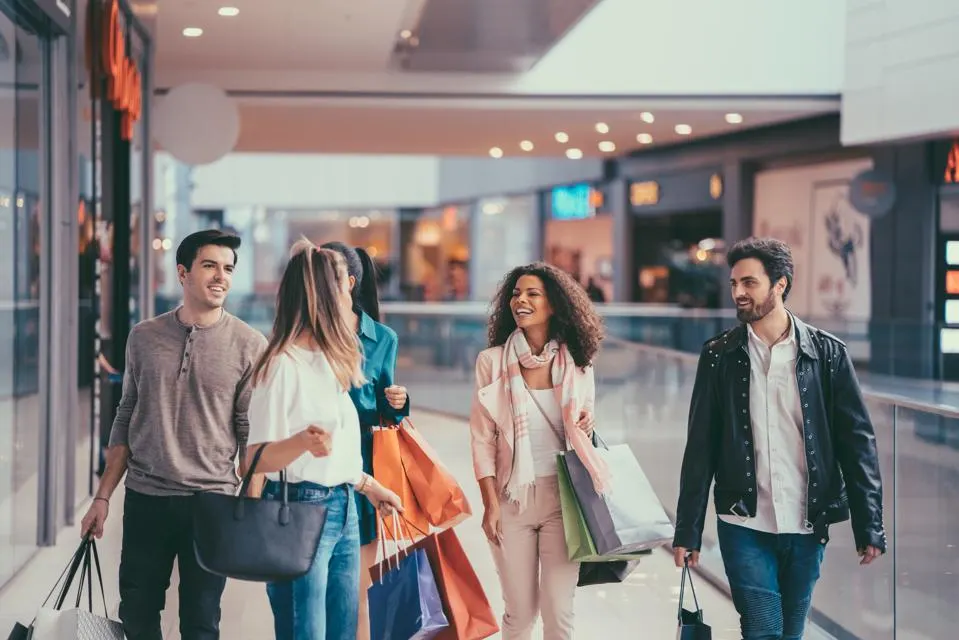
Consumers only want two things: something more and something else.
Nothing satisfies these like fast fashion. Classy, trendy, sold at a low price only to be worn a couple of times. Consumers can see an item of clothing worn by celebrities on the runway or the red carpet and purchase it online—faster, cheaper, and more convenient than ever before. It is everywhere in just about every store, in the feeds of influencers on X and Instagram, and in ads persistently popping up on the sidebar.
While others in the fashion industry are working toward more sustainable clothing, fast fashion is heavily geared for profit. It is intended to copy high-end designs, and mass-produce using low-quality materials. The market’s value was estimated at about $103.2 billion in 2022 and is growing rapidly. It’s a part of the reason why global clothing production doubled from 2000-2014 and the number of garments the average consumer buys in a year increased by 60%. People want their clothing affordable and trendy, and they want it—hence the name—in fast fashion.
Thrill of the Trend
“Today, buying a dress is like buying a Big Mac; cheap, fast and, judging by the poorer quality seen in fast fashion clothes, not very healthy.”
—Christina Dean, founder and CEO of Redress
In a lot of cultures, a person’s self-perception directly translates to one’s own fashion choices, playing into the dichotomy of aspirations and insecurities. Globalization only bolstered the proliferation of fast fashion—fueled by influencers, who, being trendsetters, capitalize on the thriving culture of consumerism in the melting pot that is social media. Fast fashion brands collaborate with them to market their products, seamlessly intertwining these brands into their daily lives and filling their social media pages with the allure of yet another edition of crochet sandals or all-nighter setting spray.
Studies depict a direct correlation between the number of consumers’ followed influencers and how often they buy clothing. Fast fashion brands like Zara get the average consumer to shop once every three weeks compared to the common shopper who visits any given store four times a year. And with fashion lifespans shorter than ever and microtrends out of control, many consumers fear not being able to catch up with the latest thing. It facilitates FOMO—the fear of missing out.
“The need to avoid losses – or what we might refer to as FOMO (fear of missing out) – combined with our ingrained desire for novelty, causes a rush of adrenaline which contributes to the thrill of shopping experiences. The hits of dopamine and adrenaline create a reward-seeking loop that causes us to reach for our debit card over and over again.”
—Amy De Klerk, Harpers Bazaar
While these girls are slaying it in their reels, their jobs often depend on promoting harmful products and practices to their unsuspecting followers. About 70% of women and half of men consider shopping as a rewarding form of entertainment. Even so, as quickly as consumers replace them with the seemingly endless supply of new styles, it causes them to be dissatisfied with the things they previously enjoyed.
This normalizes a lifestyle in which one should own hundreds of garments and that repetitive clothing is a shame. Haul videos are posted by influencers on the weekly, showing impulse buys on hundreds—if not thousands—of dollars’ worth of clothing. It’s become typical to throw away clothing just because it’s been ripped after being worn once. A 2017 poll reports 41% of women aged between 18 and 25 feel pressured not to wear the same outfit when going out. It seems to go unnoticed how this culture promotes unsustainability and unethical consumption.
Trail of the Trade
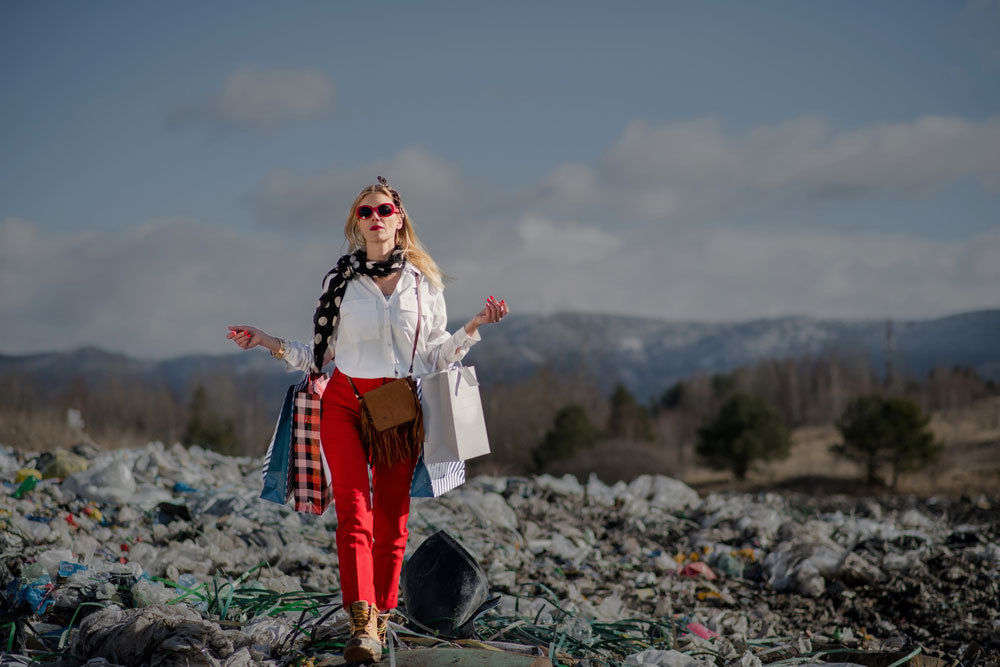
With trends dying comes the waste. The average American throws away 80 pounds of clothing each year. About 60% of fast fashion items are made from cheap synthetic textiles, like acrylic and polyester. These materials account for 35% of microplastics entering the oceans, with the industry responsible for 20% of all industrial wastewater. Altogether, fashion is ranked as the second most polluting business in the world by the United Nations Conference on Trade and Development (UNCTD), right behind the oil industry. It emits 1.2 billion tonnes of carbon dioxide per year, more than the shipping and the aviation industry combined.
Every year 40 million tonnes of discarded clothing are thrown in landfills and incinerators. Microplastics and other chemicals used in manufacturing, which are slow to degrade, pose a significant threat to marine and terrestrial ecosystems all the while ending up in the human food chain.
Moreover, the fast fashion industry is notorious for the exploitation of the human labor it employs. It should concern consumers how clothing could be that cheap. Most of these garments are produced in countries like China, India, and Bangladesh, where workers suffer grueling workdays under extremely poor conditions, all for meager pay that only covers half to a fifth of what a family needs to make ends meet. According to an Indian survey on mills, 60% of the employees were under the age of 18 when they were compelled to work in sweatshops because of poverty.
“When an industry doesn’t care about how people are treated, no consideration of sustainability is possible. You can’t just care about the environment and forget about the fair and ethical treatment of people.”
—Simone Cirpriani, Ethical Fashion Initiative
Along with fast fashion’s planned obsolescence, which ensures that items wear out more quickly due to poor manufacturing quality, you have a business strategy that is very profitable, but inevitably wasteful—sucking consumers into an unhealthy spiral of cheap, spontaneous thrills.
Thrift of the Timeless
Fashion is communication. It’s a conversation with your ideal self and the waking world. It has the power to resonate with an audience, shift a purview, and evoke emotion—all of which directly impacts consumer decision-making.
“Demand quality not just in the products you buy, but in the life of the person who made it.”
—Orsola de Castro, co-founder of Fashion Revolution
Fortunately, sustainable consumption comes with wisdom and global awareness, and the advent of modern R&D has led people to solutions and become all the more conscientious. One of such is conservation through thrift shopping. The classic yard sales of the 20th century have flourished to a wider market online. Re-selling marketplaces like eBay, Poshmark, and Etsy have driven thrifting culture by making shopping accessible worldwide. People of different walks of life can sift through multiple clothing resale pages to buy and sell affordable and sustainable clothing from other consumers—and with innovative cross listing tools such as SellRaze make it even more simple. There is also a stream of green-collar brands like Patagonia, among others, that think beyond prevailing patterns and live within sustainable limits, using recycled or renewable materials to manufacture their products.
“What if we started by slowing down and not consuming so much stuff, just because it’s there and cheap and available. It’s amazing how that process makes sense financially, it makes sense ethically, it makes sense environmentally.”
—Andrew Morgan, filmmaker of The True Cost
Some influencers are at the forefront at encouraging more sustainable fashion brands. A majority of their audience are between the ages 12 to 27, many of whom are concerned of their ecological impact enough to reconsider their fast fashion buys. Influence among their peers is a motivating factor for making more tactful choices.
Less is always more. Keeping your stuff for longer will lessen its carbon footprint, just as it lessens the number of new things you need to buy. As long as the thrift exists to warrant the disposal of perfectly good but unwanted clothes, they might as well be timeless considering the ever-changing flux of trends. After all, the things that remain are the ones that are made to last.
As the saying goes, a new broom sweeps well, but an old brush knows the corners.
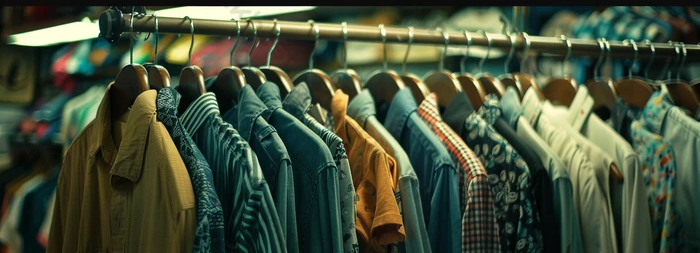
If you’re curious about learning more about thrifting and reselling, take a look at these resources:
- 8 Thrift Tips For Beginners: Secondhand Shopping Made Easy: Ready to support sustainability but don’t know where to start? Explore this guide for ideas in order to kickstart your thrift hunt like a pro.
- Second Hand Online Shop: From Idea to Running Business: If you’re interested in sorting and selling items from your wardrobe, learn how to build a thriving business that provides value to customers while fulfilling your entrepreneurial aspirations.
- A Beginner’s Guide to Depop: Depop is a global fashion marketplace and a goldmine for anyone who wants to discover, buy, and sell everything from daily essentials to one-of-a-kind pieces. Here’s the experience from a seasoned shopper and occasional seller.
